Siberian Huskies are energetic, intelligent dogs with unique dietary needs. While a balanced diet is foundation, supplements can address specific health concerns like joint health, coat quality, digestion, and endurance. This guide explores the best supplements for huskies, how to choose them, and safe dosage tips.

Why Your Husky Might Need Supplements
Even with high-quality dog food, factors like age, activity level, and health conditions create nutritional gaps. Working or active huskies may need extra joint support, while older dogs benefit from glucosamine. Puppies require balanced calcium and phosphorus for bone growth. Supplements like fish oil and probiotics can prevent common issues such as dry skin, hip dysplasia, or digestive upset.
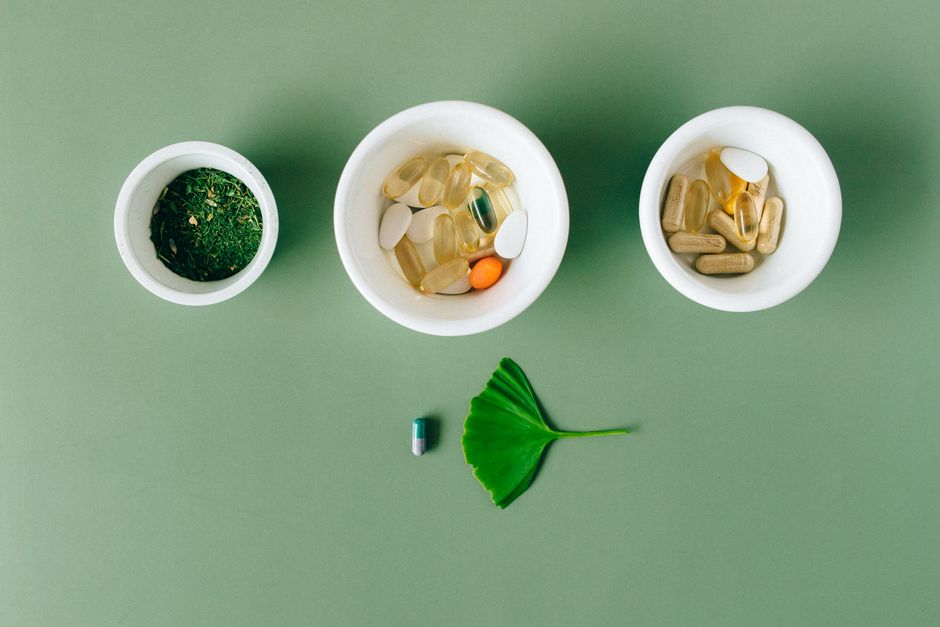
Top 5 Supplements for Huskies
1. Fish Oil (Omega-3 Fatty Acids)
Fish oil is rich in EPA and DHA, which reduce inflammation, support a shiny coat, benefit heart and brain health, and aid joint mobility. For huskies prone to allergies or dry skin, fish oil can be transformative. Dosage: 20–50 mg per pound of body weight, given with food. Choose wild‑caught salmon or sardine oil.
2. Glucosamine and Chondroitin
These compounds support cartilage health and are critical for active huskies at risk of hip dysplasia or arthritis. Glucosamine stimulates cartilage repair, while chondroitin inhibits enzymes that break down cartilage. Combined with MSM, they provide powerful joint protection. Start with 500 mg glucosamine plus 400 mg chondroitin per 25 lbs of body weight daily.
3. Probiotics
Huskies are known for sensitive stomachs. Probiotics improve gut flora balance, aiding digestion and immune function. Look for multi‑strain formulas with Lactobacillus and Bifidobacterium. Powder forms are easy to mix into food. Use especially after antibiotics or during dietary changes.
4. Vitamin E
As an antioxidant, vitamin E helps maintain healthy skin and coat, supports vision, and boosts immunity. Husky diets with high amounts of fish oil may require extra vitamin E to prevent deficiency. Typical dose: 100–200 IU per day for an adult husky, but consult your vet.
5. Multivitamin for Dogs
A high‑quality canine multivitamin ensures your husky gets essential vitamins and minerals like vitamin A, D, B‑complex, zinc, and copper. This is especially useful if you feed a homemade diet. Choose a product formulated for large breeds with no artificial additives.
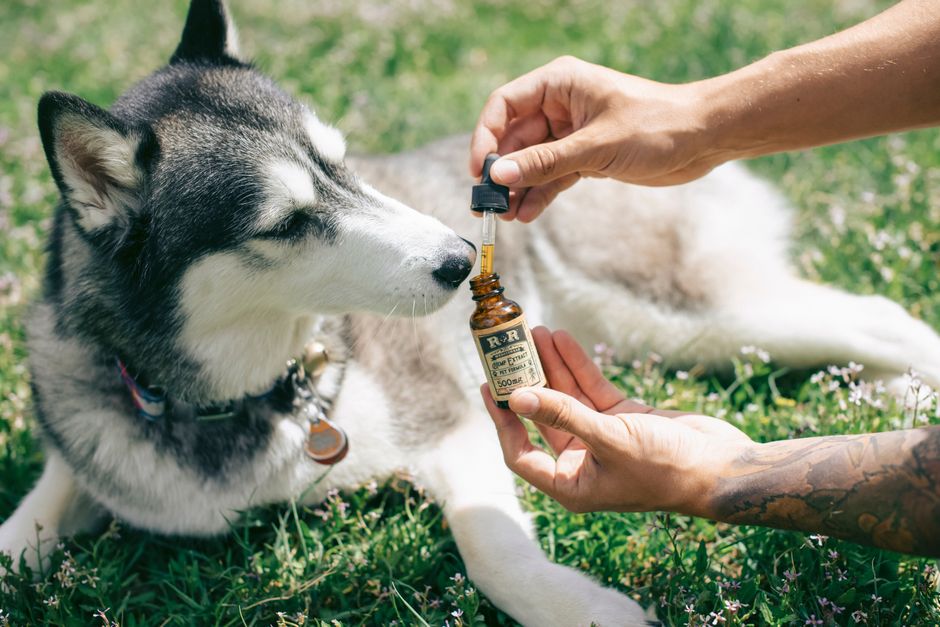
Supplements for Joint Health
Huskies are prone to hip dysplasia and arthritis due to their build and high activity. Glucosamine and chondroitin are the gold standard, but other options include:
- MSM: An anti‑inflammatory compound that reduces pain and supports connective tissue.
- Hyaluronic Acid: Lubricates joints and improves flexibility.
- Green‑Lipped Mussel: Contains omega‑3s, glucosamine, and antioxidants that slow joint degeneration.
- Turmeric (Curcumin): Natural anti‑inflammatory, but use with black pepper for better absorption.
Always introduce joint supplements gradually and monitor for improvement. Most benefit from daily use for 2–4 weeks.
Omega‑3 Fatty Acids: The Essential Supplement
Omega‑3s are crucial for huskies because they cannot produce them naturally. Deficiencies manifest as dry, flaky skin, dull coat, and increased shedding. Fish oil is the most effective source, with a recommended ratio of EPA to DHA around 3:2.
Alternative sources include flaxseed oil (less potent) and algae oil for vegan options always ensure proper storage to prevent rancidity.
Probiotics and Digestive Health
Huskies often have sensitive digestion. Probiotics help manage diarrhea, gas, and bloating. They also strengthen the gut barrier, reducing food sensitivities. For best results, choose a probiotic with at least 10 billion CFUs per serving, and look for strains like Enterococcus faecium or Lactobacillus acidophilus. Prebiotics like inulin or chicory root further support friendly bacteria.
Vitamins and Minerals
While a balanced diet provides most nutrients, some huskies may lack:
- Calcium and Phosphorus: Important for large‑breed puppies to prevent bone disorders. Use only under vet guidance.
- Iron: Prevents anemia in active dogs. Supplement only if deficiency is confirmed.
- Zinc: Supports immune function and skin health. Husky breeds can be prone to zinc‑responsive dermatosis.
A canine‑specific multivitamin is safer than human versions because dog needs differ.
How to Choose the Right Supplement
- Check quality: Look for products with the NASC seal, third‑party tested, and made in the US or other regulated countries.
- Read labels: Avoid artificial colors, preservatives, and fillers like corn or sugar.
- Form and dosage: Liquids, powders, and chews are easier to administer. Start with lowest recommended dose.
- Consult your vet: Always discuss supplements, especially if your husky has health conditions or takes medication.
Potential Risks and Side Effects
Over‑supplementation can cause toxicity. Fat‑soluble vitamins (A, D, E, K) build up in the body. Fish oil in excess may lead to pancreatitis or bleeding issues. Glucosamine can cause mild gastrointestinal upset. Always follow dosage guidelines and stop if reactions occur.
Conclusion
Supplements can greatly enhance your Siberian Husky's health, but they are not a substitute for high‑quality diet and regular veterinary care. Start with one supplement at a time to gauge effects, and prioritize those backed by research like fish oil, glucosamine, and probiotics. With careful selection, you can help your husky thrive at every life stage.
Recommended Products for Your Husky
As an Amazon Associate, we earn from qualifying purchases. Learn more.
- Joint Supplement — Check price on Amazon
- Hip Support — Check price on Amazon
- Mobility Chews — Check price on Amazon
Frequently Asked Questions
Can Huskies eat raw food?
A balanced raw diet is possible but risky without proper formulation — bone, bacteria, and nutrient imbalance are real dangers. Consult a vet nutritionist first.
What human foods are toxic to Huskies?
Never feed chocolate, grapes, raisins, onions, garlic, xylitol, or cooked bones. These can cause kidney failure, anemia, or gut perforation.
Why is my Husky not eating?
A Husky skipping one meal is often fine — the breed is famously picky. Refusal beyond 24–48 hours, with lethargy, needs a vet check.
Editor's Note
We've tested grain-free diets on several huskies and stayed unconvinced. Unless there's a diagnosed allergy, we stick with a formula that has healthy whole grains. The DCM research gave us pause, and we'd rather be boring than sorry.
Sources & Further Reading
HuskySpot researches each topic against recognized breed and veterinary authorities. The following organizations inform our content: