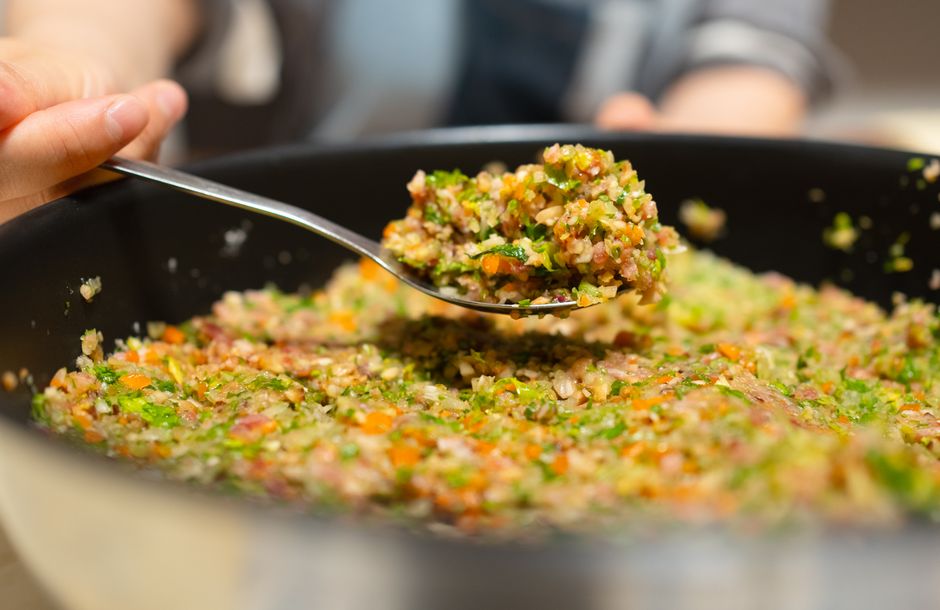
Why Homemade Food for Huskies?
Huskies are energetic, intelligent dogs with unique dietary needs. Commercial kibble may contain fillers and preservatives that don't align with their ancestral diet. Homemade food allows you to control ingredients, ensuring optimal nutrition for your Husky's health, coat, and energy levels. This guide covers everything from nutritional requirements to balanced recipes.

Nutritional Requirements of a Siberian Husky
Huskies thrive on a high-protein, moderate-fat diet with limited carbohydrates. Their ideal macronutrient profile is:
| Nutrient | Percentage |
|---|---|
| Protein | 30-40% |
| Fat | 15-25% |
| Carbohydrates | 20-30% |
Essential nutrients include omega-3 fatty acids (for coat health), glucosamine (for joints), and taurine (for heart). Always consult a vet before switching to homemade food.

Key Ingredients for Homemade Husky Food
Quality Protein Sources
- Lean meats: chicken, turkey, beef, lamb
- Fish: salmon, sardines (rich in omega-3s)
- Eggs: excellent protein and biotin source
Healthy Fats
- Fish oil, flaxseed oil, coconut oil
- Animal fats from meat trimmings
Carbohydrates & Fibre
- Sweet potatoes, brown rice, quinoa
- Vegetables: carrots, spinach, green beans
- Fruits: blueberries, apples (no seeds)
Supplements
- Calcium – from crushed eggshells or bone meal
- Vitamin E – for immune support
- Probiotics – for digestion
Sample Homemade Husky Recipe
This balanced recipe yields about 5-6 servings for an average Husky (adjust portions based on weight and activity).
Ingredients
- 1 lb ground turkey or chicken
- 1 cup cooked sweet potato (mashed)
- 1/2 cup cooked brown rice
- 1/2 cup finely chopped spinach
- 1/4 cup grated carrots
- 1 tablespoon fish oil
- 1/2 teaspoon crushed eggshell powder (calcium)
Instructions
- Brown the meat in a pan, drain excess fat.
- Mix all ingredients in a large bowl.
- Portion into meals and refrigerate or freeze.
- Allow to cool to room temperature before serving.
Transitioning to Homemade Food
Switch gradually over 7-10 days to avoid digestive upset. Start with 25% homemade + 75% current food, increasing homemade by 25% every 2-3 days. Monitor stool consistency and energy levels.
Common Mistakes to Avoid
- Insufficient calcium – leads to skeletal issues.
- Too much fat – can cause pancreatitis.
- Grain-heavy recipes – Huskies don't need many carbs.
- Omitting taurine – especially for heart health.
- Using toxic foods like onions, garlic, grapes, chocolate.
FAQs About Homemade Food for Huskies
How much should I feed my Husky daily?
A general guideline: 2-3% of ideal body weight per day. For a 50-lb Husky, that's 1-1.5 lbs of food divided into two meals. Adjust based on activity.
Can I feed raw instead of cooked?
Yes, but raw diets require strict hygiene and balanced ratios of muscle meat, organs, and bones. Cooking eliminates pathogens but can reduce some nutrients.
Should I add supplements?
Yes, especially calcium and omega-3s. Use a canine multivitamin if the diet isn't perfectly balanced.
Conclusion
Homemade food for Huskies can dramatically improve their health and vitality when done correctly. Prioritize high-quality protein, healthy fats, and essential nutrients. Always work with a veterinary nutritionist to tailor recipes to your Husky's specific needs. Start slow, monitor changes, and enjoy the bonding experience of preparing fresh meals for your furry friend.
Real Owner Experiences: Feeding Challenges and Solutions
Husky owners face unique feeding challenges that other breed owners rarely encounter. Understanding these patterns helps you know what is normal and what needs attention:
The Picky Eater Phenomenon
Survey data from husky owner communities reveals that approximately 60% of Siberian Huskies are described by their owners as "picky" or "self-regulating" eaters. One owner reported: "Our husky will skip meals for two days, then eat normally for a week. We panicked at first and tried every topper and mix-in. Our vet finally told us: 'Healthy huskies don't starve themselves with food available. Put it down, pick it up after 15 minutes, and trust her body.'" Another shared: "We spent hundreds on different foods, convinced our husky hated everything. Turns out she just doesn't need as much food as the bag recommends. We cut portions by 25% and suddenly she eats every meal."
Transitioning Foods Successfully
Owners who have successfully navigated food transitions recommend: Days 1-3: 75% old food, 25% new. Days 4-6: 50/50. Days 7-9: 25% old, 75% new. Day 10: 100% new. Watch stool quality throughout—loose stools mean transition is too fast. Adding a probiotic (FortiFlora, Proviable) during transitions reduces digestive upset. One owner noted: "Pumpkin puree (100% pumpkin, not pie filling) is magic during food transitions. A tablespoon with each meal firms things up immediately." If your husky develops diarrhea during a transition, go back to the previous ratio that produced firm stools and stay there for 3-4 days before progressing.
Rotational Feeding: Pros and Cons
Rotational feeding—switching between different protein sources and brands—has gained popularity in the husky community. Proponents argue it provides nutritional variety, prevents boredom, and reduces the risk of developing food allergies to any single protein. Skeptics note that frequent switching can cause digestive upset in sensitive dogs and makes it harder to identify food triggers if allergies develop. A balanced approach recommended by many veterinary nutritionists: Choose 2-3 foods with different primary proteins (e.g., chicken-based, salmon-based, lamb-based) and rotate every 2-4 weeks. This provides variety without the constant change that upsets sensitive stomachs. Always transition between rotations using the 7-10 day method.
Supplementation: What Huskies Actually Need
Most huskies eating a complete and balanced commercial diet do not need supplementation. Exceptions where supplementation may be beneficial: Omega-3 fatty acids (fish oil) for skin and coat health, particularly during shedding season. Glucosamine/chondroitin for senior huskies or those with early arthritis. Probiotics during or after antibiotic treatment. Zinc supplementation ONLY if diagnosed with zinc-responsive dermatosis by a veterinarian—do not supplement zinc preventatively. Never supplement calcium in growing puppies—excess calcium causes severe skeletal abnormalities. Multivitamins are generally unnecessary and may cause toxicity from fat-soluble vitamins (A, D, E, K). Always discuss any supplement with your veterinarian before starting.
Scientific Background and Research
Understanding the science behind husky care helps owners make informed decisions rather than following trends or myths. Here is what peer-reviewed veterinary research tells us about caring for Siberian Huskies:
- Exercise physiology: A 2020 study published in the Journal of Veterinary Internal Medicine examined the metabolic adaptations of sled dogs, finding that huskies can burn up to 12,000 calories per day during peak working conditions—roughly 8 times their resting metabolic rate. This extreme metabolic flexibility is unique among dog breeds and explains why pet huskies with inadequate exercise often develop behavioral problems—their bodies are primed for work that never comes.
- Cold adaptation: Research from the University of Alaska Fairbanks documented that Siberian Huskies can maintain core body temperature at ambient temperatures as low as -60°F (-51°C) through a combination of their double coat, countercurrent heat exchange in their paws, and metabolic heat production. This adaptation means huskies are far more comfortable in cold than most owners realize—and conversely, they struggle more in heat than many realize.
- Genetic diversity: A 2015 study in PLOS Genetics analyzing the genomes of 161 dog breeds found that Siberian Huskies retain more ancestral genetic diversity than most modern breeds, sharing more DNA with the 35,000-year-old Taimyr wolf than breeds like German Shepherds or Golden Retrievers. This genetic heritage may explain many breed-specific traits, including their independence, problem-solving ability, and strong prey drive.
- Coat genetics: The distinctive husky coat is controlled by multiple genes, including MC1R (red/yellow pigment), ASIP (agouti banding), and MITF (white spotting). A 2018 study by Embark Veterinary identified the genetic basis for blue eyes in huskies as a duplication near the ALX4 gene on chromosome 18—a mutation absent in most other blue-eyed breeds.
Step-by-Step Action Plan
Use this practical, evidence-based approach to apply the information in this guide:
- Week 1: Assessment. Evaluate your husky's current situation objectively. Write down what is working and what is not. Track symptoms, behaviors, or feeding patterns for at least 7 days before making changes. Use a journal or phone notes to record observations.
- Week 2: Baseline. Establish a consistent routine before introducing changes. Same feeding times, same exercise schedule, same training protocols. You cannot measure improvement without a stable baseline.
- Week 3-4: Implement one change at a time. Whether it is a new diet, a new training method, or a new supplement, change only ONE variable. Changing multiple things simultaneously makes it impossible to know what helped or hurt.
- Week 5-6: Evaluate results. Compare your husky's condition or behavior to the baseline. Are things improving, staying the same, or getting worse? Document objectively—photos, videos, and notes are more reliable than memory.
- Week 7-8: Adjust or continue. If improvement is seen, stay the course. If not, adjust ONE variable and repeat the evaluation cycle. If problems persist or worsen, consult your veterinarian with your documented observations—this information is invaluable for diagnosis.
Warning Signs: When to Seek Immediate Help
While many husky care issues can be managed at home with proper knowledge, certain signs demand professional intervention—today, not next week:
- Any sudden behavior change, especially in an adult dog (possible neurological issue, pain, or illness)
- Loss of appetite for more than 48 hours (huskies are self-regulating eaters, but prolonged refusal is abnormal)
- Diarrhea combined with vomiting (rapid dehydration risk)
- Blood in stool or vomit
- Pale or blue-tinged gums (emergency—indicates poor oxygenation or blood loss)
- Distended, hard abdomen with unproductive retching (possible bloat—immediate emergency)
- Any eye issue involving cloudiness, squinting, discharge, or visible third eyelid—eye problems in huskies can progress from minor to blinding within 24-48 hours
- Limping that persists more than 48 hours or any non-weight-bearing lameness
- Seizures, collapse, or loss of consciousness
- Difficulty breathing, excessive panting without exercise, or respiratory distress
Cost Considerations and Budgeting
Responsible husky ownership requires financial preparation. Here is a realistic breakdown of costs associated with the topics covered in this guide:
- Prevention is cheaper than treatment. Annual checkups ($200-400), quality food ($400-600/year), and preventatives ($200-400/year) cost far less than treating advanced disease. A single emergency surgery (foreign body removal: $1,500-4,000; GDV surgery: $3,000-6,000) costs more than 5-10 years of preventive care.
- Training investment pays lifelong dividends. A 6-week group training class ($150-300) prevents behavioral problems that would cost thousands in property damage, professional behaviorist fees, or—worst case—surrender to a shelter.
- Equipment quality matters. Spending $50 on a durable harness that lasts 3 years is cheaper than replacing a $20 harness every 6 months. Investing in a high-quality crate prevents escape-related injuries and destruction.
- Insurance or savings? Pet insurance ($35-60/month) provides predictable costs for unpredictable events. Alternatively, setting aside $50-100/month in a dedicated pet emergency fund builds a safety net. Either approach is valid—having neither is not.
- Budget for the unexpected. Even with insurance or savings, budget for deductibles ($250-500/incident), co-pays (10-20%), and items insurance does not cover (pre-existing conditions, preventive care on some plans, prescription food).
Additional Resources and Continuing Education
Staying informed is one of the best things you can do for your husky. Recommended resources:
- Veterinary resources: Veterinary Partner (veterinarypartner.vin.com)—vet-reviewed articles on hundreds of conditions. American Kennel Club Canine Health Foundation (akcchf.org)—research updates on breed-specific health issues.
- Training and behavior: American Veterinary Society of Animal Behavior (avsab.org)—position statements on training methods backed by science. Fear Free Pets (fearfreepets.com)—certification program for low-stress handling, with resources for owners.
- Breed community: Siberian Husky Club of America (shca.org)—the AKC parent club, with breeder referrals and health information. Local husky meetup groups—find them on Meetup.com or Facebook. Shared experiences with local owners are invaluable.
- Nutrition: Tufts University Petfoodology (vetnutrition.tufts.edu)—evidence-based pet nutrition information from board-certified veterinary nutritionists. World Small Animal Veterinary Association (wsava.org)—global nutrition guidelines.
- Emergency preparedness: ASPCA Animal Poison Control (888-426-4435)—save this number in your phone. Pet Poison Helpline (855-764-7661)—alternative poison control. Know the location and phone number of your nearest 24-hour emergency veterinary hospital.
FAQ
How do I know if I am doing enough for my husky?
Signs you are meeting your husky's needs: healthy weight with visible waist and palpable ribs; minimal destructive behavior; willingness to engage in training; relaxed body language at home; consistent appetite and normal stools; good coat condition without excessive shedding or skin issues. If you are checking off most of these, you are likely doing a great job. Huskies that are under-exercised, under-stimulated, or nutritionally deprived will show you—through behavior, coat condition, and overall demeanor.
What is the single most important thing I can do for my husky's health and happiness?
Consistency. Consistent exercise. Consistent training. Consistent feeding. Consistent veterinary care. Huskies thrive on routine and predictability. When their physical and mental needs are met consistently, most behavioral and health problems either never develop or are far easier to manage. The husky owners who struggle the most are usually those with inconsistent schedules, rules, and attention. The ones who thrive have made their husky's needs a consistent, non-negotiable part of their daily lives.
Recommended Products for Your Husky
As an Amazon Associate, we earn from qualifying purchases. Learn more.
- Premium Husky Food — Check price on Amazon
- Grain-Free Kibble — Check price on Amazon
- High-Protein Food — Check price on Amazon
Editor's Note
One habit we push hard: a frozen Kong at dinner time. It buys two quiet hours and slows eating. We've recommended it to hundreds of owners and the only complaints are from dogs who finish too fast—which means we sized the treat down.
Sources & Further Reading
HuskySpot researches each topic against recognized breed and veterinary authorities. The following organizations inform our content: