Diarrhea is a common issue in Siberian Huskies, and choosing the right food is crucial for recovery. This comprehensive guide covers the best foods to feed your Husky when they have diarrhea, including homemade recipes, commercial options, and important dietary principles.
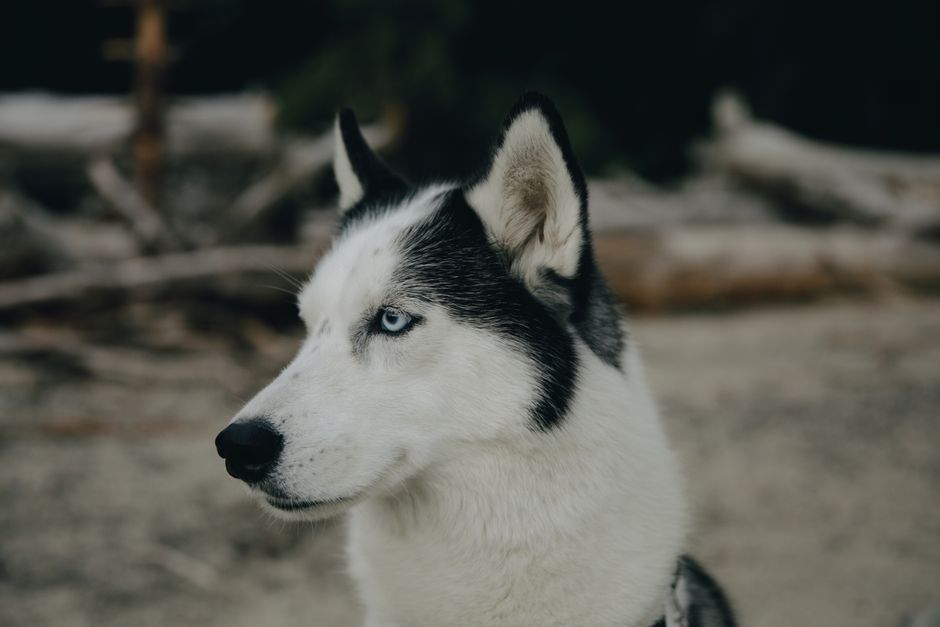
Understanding Diarrhea in Siberian Huskies
Diarrhea in Huskies can stem from various causes, such as dietary indiscretion (eating something they shouldn't), sudden food changes, stress, parasites, or underlying health conditions. Before adjusting diet, ensure your Husky is well-hydrated and consult a vet if diarrhea persists for more than 24 hours, contains blood, or is accompanied by vomiting or lethargy.
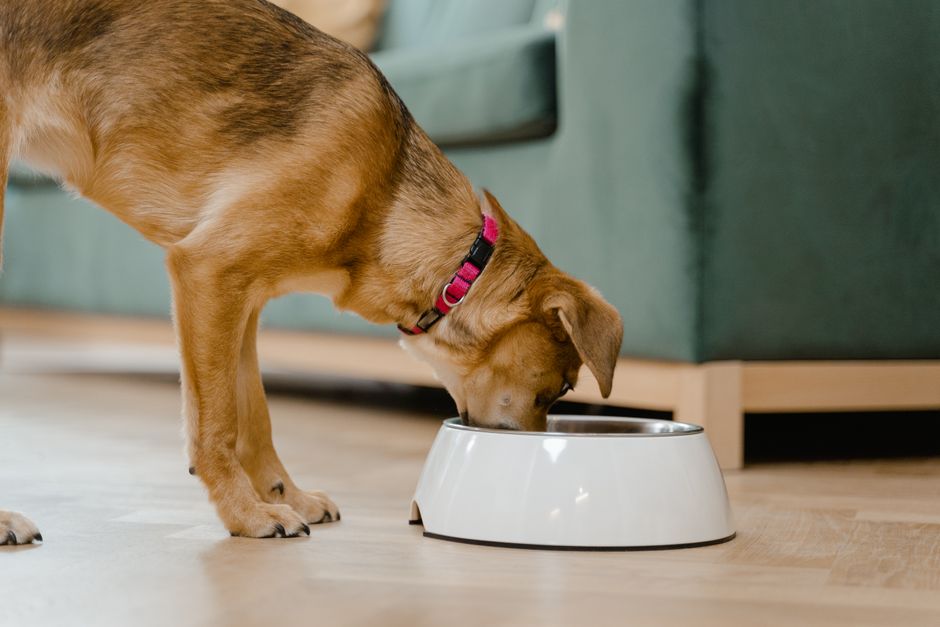
The Role of Diet in Managing Diarrhea
When your Husky has diarrhea, the goal is to give the digestive system a rest while providing easily digestible nutrients. Key principles include:
- Bland Diet: Simple, low-fat foods that are gentle on the stomach.
- Hydration: Offer plenty of fresh water; consider electrolyte solutions for dogs.
- Fiber: Soluble fiber (like pumpkin) can help firm up stools.
- Probiotics: Support gut health with dog-safe probiotics.
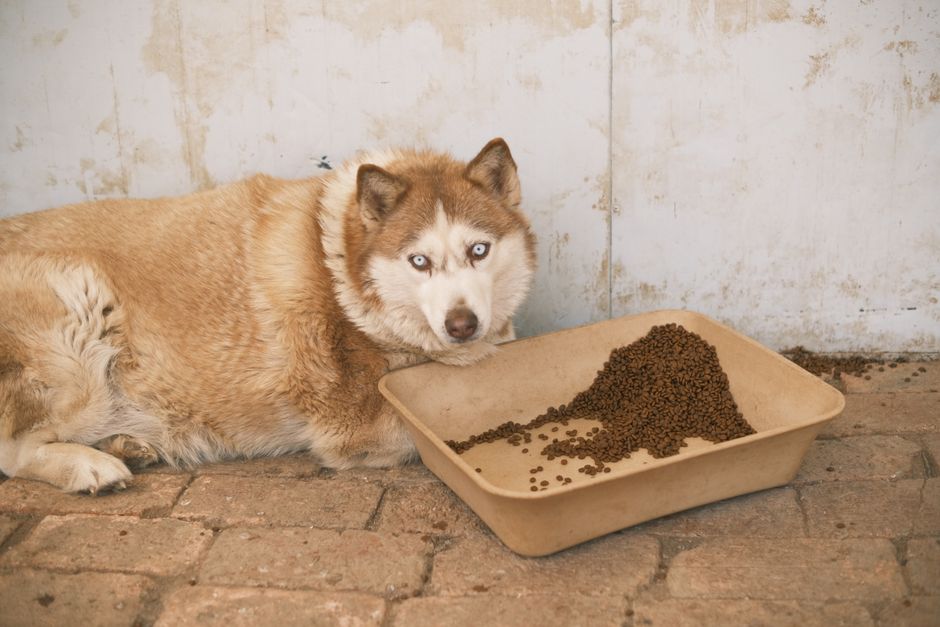
Top Recommended Foods for Huskies with Diarrhea
| Food | Benefits | How to Serve |
|---|---|---|
| Boiled Chicken (skinless, boneless) | Lean protein, easily digestible | Shredded, plain, no seasoning |
| White Rice (cooked) | Binds stool, provides energy | Plain, well-cooked, no salt or butter |
| Canned Pumpkin (100% pure) | Rich in soluble fiber, soothes digestion | 1-2 tablespoons per meal |
| Plain Yogurt (with live cultures) | Probiotics, aids gut health | 1 tablespoon for small dog, 2 for large |
| Bone Broth (low sodium) | Hydration, minerals, gentle on stomach | Warm, strained, no onions or garlic |
| Cottage Cheese (low fat) | Calcium, protein, easy to digest | Small amounts if not lactose intolerant |
Homemade Bland Diet Recipes for Huskies
Recipe 1: Chicken and Rice
- 1 cup boiled, shredded chicken breast
- 2 cups cooked white rice
- 1 tablespoon pumpkin puree
- Mix together and serve lukewarm. Feed small portions (1/2 cup per 10 lbs body weight) 3-4 times a day.
Recipe 2: Turkey and Pumpkin
- 1 cup ground turkey (boiled, drained)
- 1 cup cooked sweet potato or pumpkin
- 1/2 cup boiled pasta (optional)
- Combine, serve in small meals.
Always cool food to room temperature before feeding. These recipes are for short-term use (2-3 days) while diarrhea resolves.
Commercial Dog Foods That Help with Diarrhea
If you prefer commercial diets, veterinary-prescribed options are excellent. Look for highly digestible formulas:
- Royal Canin Gastrointestinal Low Fat: High digestibility, low fat, prebiotics.
- Hill's Prescription Diet i/d: Balanced fiber, electrolytes, and probiotics.
- Purina Pro Plan Veterinary Diets EN: Easily digestible, supports intestinal health.
These are typically available through your vet. For over-the-counter options, choose limited-ingredient diets (e.g., Natural Balance L.I.D.) with a single protein source like white fish or venison.
Foods to Avoid When Your Husky Has Diarrhea
- Fatty or greasy foods (bacon, fried items) – hard to digest.
- Dairy products (milk, cheese) if lactose intolerant.
- Spicy or seasoned foods – can irritate stomach.
- High-fiber vegetables (broccoli, cauliflower) – may cause gas.
- Raw meat or bones – risk of bacteria, harder to digest.
- Artificial sweeteners (xylitol) – toxic.
Transitioning Back to Regular Food
Once stools are firm for 24-48 hours, gradually reintroduce your Husky's regular diet. Mix 25% regular food with 75% bland diet for a day, then 50/50, then 75/25, and finally 100% regular food over 4-5 days. Add a probiotic supplement (e.g., FortiFlora) to support gut recovery. If diarrhea returns, consult your vet.
Preventive Measures for Future Episodes
- Feed a consistent, high-quality diet appropriate for your Husky's age and activity level.
- Avoid sudden food changes; transition over 7-10 days.
- Limit table scraps and ensure your Husky doesn't scavenge.
- Keep up with regular deworming and fecal exams.
- Manage stress with routine and positive reinforcement.
with these dietary guidelines, you can help your Siberian Husky recover from diarrhea quickly and reduce the risk of future episodes. Always monitor your dog's condition and seek veterinary care if symptoms worsen or persist.
Recommended Products for Your Husky
As an Amazon Associate, we earn from qualifying purchases. Learn more.
- Premium Husky Food — Check price on Amazon
- Grain-Free Kibble — Check price on Amazon
- High-Protein Food — Check price on Amazon
Frequently Asked Questions
How often should Huskies eat?
Adults do well on two meals a day. Puppies under six months need three to four smaller feedings to avoid blood-sugar dips.
Can Huskies eat raw food?
A balanced raw diet is possible but risky without proper formulation — bone, bacteria, and nutrient imbalance are real dangers. Consult a vet nutritionist first.
What human foods are toxic to Huskies?
Never feed chocolate, grapes, raisins, onions, garlic, xylitol, or cooked bones. These can cause kidney failure, anemia, or gut perforation.
Editor's Note
Our editors have handled more food-transition disasters than we'd like. The 7-to-10-day rule exists for a reason—husky stomachs are sensitive, and a one-day switch means three days of cleanup. We now print the schedule on the food bag.
Sources & Further Reading
HuskySpot researches each topic against recognized breed and veterinary authorities. The following organizations inform our content: