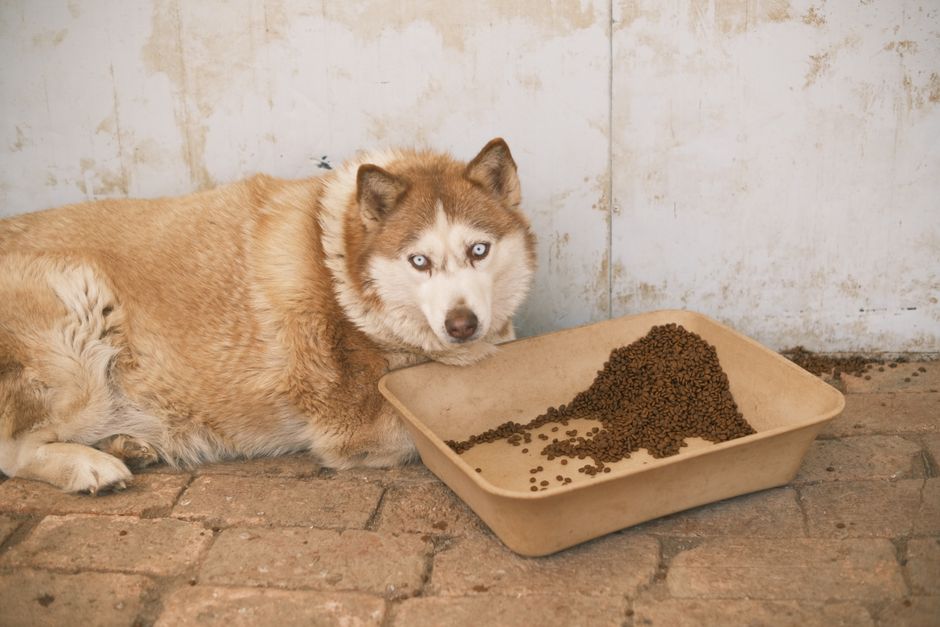
Understanding Allergies in Siberian Huskies
Siberian Huskies are known for their striking appearance, high energy, and thick double coats. However, like many purebred dogs, they are prone to allergies—both environmental and food-related. Allergic reactions in Huskies often manifest as itchy skin, ear infections, hot spots, gastrointestinal upset, or chronic licking. Identifying the root cause is crucial, and food allergies are a common culprit. Unlike seasonal allergies, food allergies can persist year-round. The best food for huskies with allergies focuses on eliminating triggers while providing balanced nutrition to support their active lifestyle.
Huskies have sensitive digestive systems, and many develop allergies to common proteins or grains. Symptoms may include red, inflamed skin, excessive scratching, hair loss, and recurrent ear problems. In some cases, dogs may also experience diarrhea or vomiting. If you suspect a food allergy, transition to a hypoallergenic diet under veterinary guidance to pinpoint the allergen.

Common Food Allergens for Huskies
Certain ingredients are more likely to trigger allergic reactions in Huskies. The most common allergens include:
- Beef
- Dairy products
- Chicken
- Wheat and gluten
- Eggs
- Soy
- Lamb
- Fish (less common but possible)
Many commercial dog foods contain these ingredients, making it important for read labels carefully. Novel proteins (e.g., venison, duck, rabbit) and single-source protein diets are often better tolerated. Also, consider limiting carbohydrate sources to easily digestible options like sweet potatoes or peas.
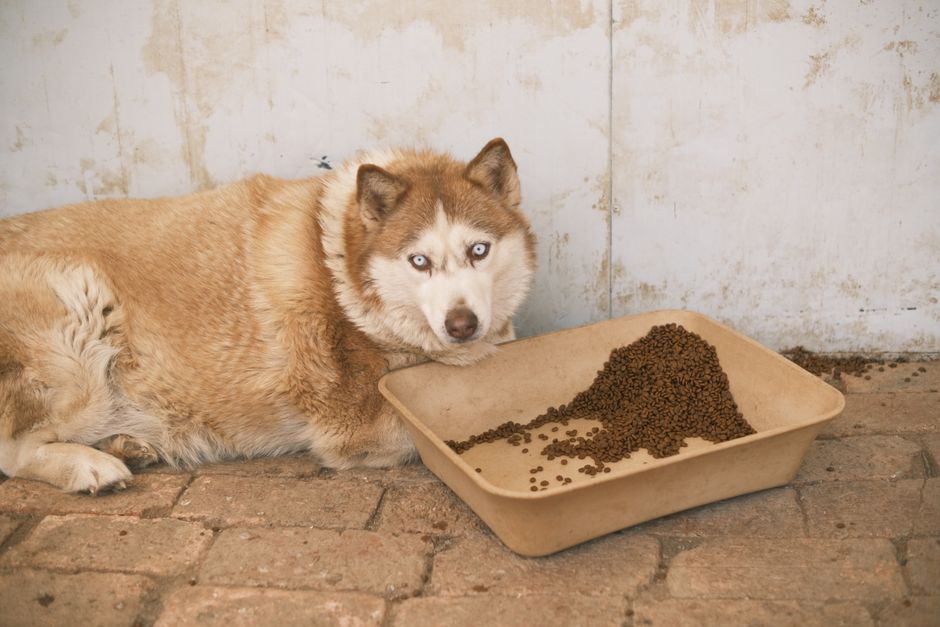
What to Look for in a Hypoallergenic Dog Food
When selecting the best food for huskies with allergies, prioritize these features:
- Limited ingredient diet (LID): Fewer ingredients reduce the chance of triggers.
- Novel protein source: Choose proteins your dog has never eaten, like kangaroo, bison, or venison.
- Grain-free or easily digestible grains: Many Huskies do well on grain-free formulas, but if you opt for grains, choose brown rice or oatmeal.
- No artificial additives: Avoid colors, flavors, and preservatives that may cause reactions.
- Omega-3 fatty acids: Support skin health and reduce inflammation. Look for fish oil or flaxseed.
- Probiotics: Aid digestion and strengthen the immune system.
Always look for AAFCO nutritional adequacy statements to ensure the food is complete and balanced. Dry kibble, wet food, and freeze-dried options are available; choose based on your Husky's preferences and dental health.
Top Ingredients That Benefit Allergic Huskies
Certain ingredients actively help manage allergies and promote healing:
Novel Proteins
Venison, duck, rabbit, bison, or alligator are excellent choices. They are less likely to trigger immune responses. Kangaroo is particularly lean and rich in iron.
Single Carbohydrate Sources
Sweet potatoes, chickpeas, lentils, and peas are gentle on the stomach. Avoid corn, wheat, and soy, which are common allergens.
Omega-3 Fatty Acids
Salmon, herring, sardines, or fish oil supplements reduce itching and improve coat condition. Flaxseed is a plant-based alternative.
Prebiotics and Probiotics
Fermented ingredients like chicory root and live cultures support gut health, which is linked to allergy resistance.
Best Food Options for Huskies with Allergies (Table)
| Brand & Product | Protein Source | Key Features | Price Range |
|---|---|---|---|
| Taste of the Wild – Pacific Stream | Smoked Salmon | Grain-free, with fruits and vegetables | $$ |
| Canidae PURE – Limited Ingredient | Real Duck (or Lamb) | No corn, wheat, soy; added probiotics | $$$ |
| Blue Buffalo Basics | Turkey & Potato | Limited ingredients, LifeSource Bits | $$ |
| Natural Balance L.I.D. | Venison & Sweet Potato | Single-source protein; grain-free option | $$$ |
| Merrick Limited Ingredient Diet | Deboned Salmon | Grain-free, high omega-3s | $$$ |
Note: Prices vary by retailer. Introduce any new food gradually over 7-10 days to avoid digestive upset.
Transitioning to a New Diet Safely
Switching foods abruptly can cause vomiting or diarrhea. Follow this schedule:
- Days 1-2: 75% old food + 25% new food
- Days 3-4: 50% old + 50% new
- Days 5-6: 25% old + 75% new
- Day 7+: 100% new food
Monitor your Husky for allergic symptoms during the transition. If reactions worsen, stop and consult your vet. An elimination diet—where you feed one protein and one carb for 8-12 weeks—is the gold standard to identify triggers.
Homemade vs. Commercial Hypoallergenic Diets
Some owners opt for homemade food to control ingredients completely. While this can work, it requires careful balancing of nutrients, especially calcium and taurine. Huskies are prone to heart issues if diets are not balanced. Work with a veterinary nutritionist to formulate homemade meals. Commercial hypoallergenic diets are more convenient and rigorously tested. Hydrolyzed protein diets (like Hill's z/d or Royal Canin HA) are also available by prescription and are excellent for severe allergies.
If you choose homemade, include a source of omega-3s (fish oil), a novel protein (e.g., rabbit), and a carb (e.g., sweet potato). Avoid garlic, onions, and excessive fats. Supplements like vitamin E and probiotics can be beneficial.
Additional Tips for Managing Allergies in Huskies
Diet is just one piece of the puzzle. Combine it with these strategies:
- Regular grooming to remove allergens from the coat.
- Bathing with hypoallergenic shampoos (e.g., oatmeal-based).
- Using air purifiers to reduce dust mites and pollen.
- Adding coconut oil to meals for extra skin support.
- Keeping a symptom diary to track reactions.
food allergies can take up to 12 weeks to fully resolve after changing the diet. Be patient and consistent. If symptoms persist, a veterinary dermatologist may perform allergy testing.
Conclusion
Finding the best food for huskies with allergies involves understanding your dog's unique sensitivities, choosing high-quality limited ingredient options, and making gradual changes. With the right diet, your Husky can enjoy a itch-free, comfortable life. Always prioritize veterinary guidance, especially for severe cases. By combining a novel-protein, grain-limited diet with supportive care, you can effectively manage your Husky's allergies and keep them healthy and happy.
Recommended Products for Your Husky
As an Amazon Associate, we earn from qualifying purchases. Learn more.
- Premium Husky Food — Check price on Amazon
- Grain-Free Kibble — Check price on Amazon
- High-Protein Food — Check price on Amazon
Frequently Asked Questions
How much should I feed my Husky?
Most adults eat 1.5–2 cups of quality kibble split into two meals. Adjust for age, weight, and activity — working dogs need more, couch potatoes less.
What is the best food for a Husky?
Look for a meat-first formula with 25–30% protein and healthy fats. Many owners use salmon- or lamb-based foods for coat and skin health.
How often should Huskies eat?
Adults do well on two meals a day. Puppies under six months need three to four smaller feedings to avoid blood-sugar dips.
Editor's Note
We've watched countless husky owners treat feeding like a guessing game, and the pattern is always the same: free-feeding leads to a dog who begs constantly and crashes midday. Two measured meals at fixed times fixed the erratic energy we kept hearing about.
Sources & Further Reading
HuskySpot researches each topic against recognized breed and veterinary authorities. The following organizations inform our content: