If you share your home with a Siberian Husky, you’ve probably marveled at their seemingly endless energy during playtime—and then been equally amazed by how much they sleep. It’s not uncommon for a Husky to snooze 12 to 14 hours a day, and some even more. But is this normal? In this comprehensive guide, we’ll explore the reasons behind your Husky’s heavy sleeping habits, from their ancestral roots to practical health considerations.
Understanding Husky Sleep Patterns
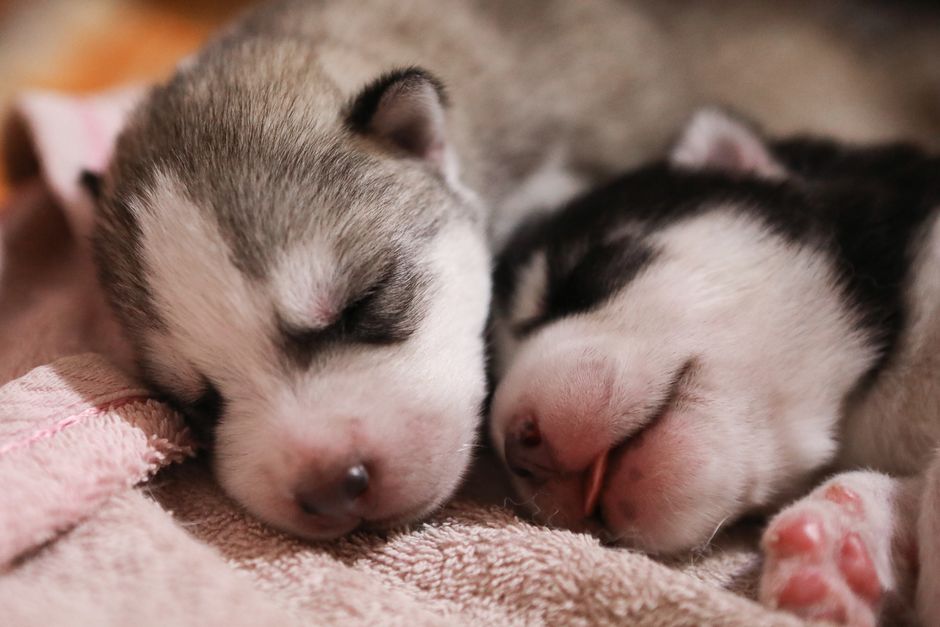
Siberian Huskies, like most dogs, are polyphasic sleepers, meaning they have multiple sleep-wake cycles throughout a 24-hour period. Adult Huskies typically sleep between 12 and 14 hours daily, with puppies and seniors sleeping even more. This is within the normal range for large, active breeds. However, their sleep is often deep and restorative, especially after exercise.
To put it in perspective, adult humans need about 7–9 hours of sleep, while most dogs need 12–14 hours. Huskies are no exception. Their sleep includes both NREM (non-rapid eye movement) and REM (rapid eye movement) stages, and you may notice twitching or paw movements as they dream.
The Instinctual Reason: Ancestral Energy Conservation
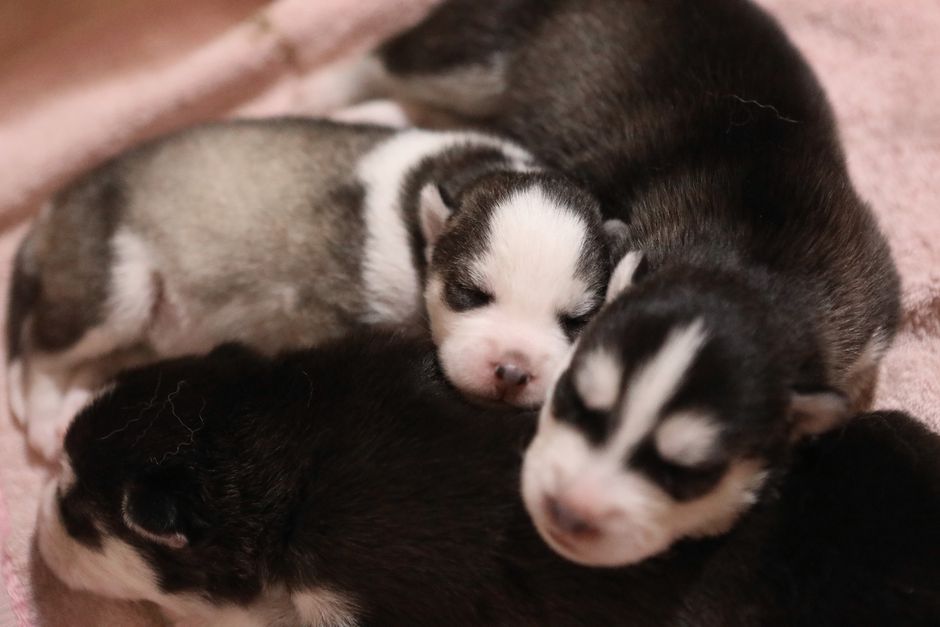
Huskies were bred as working sled dogs in the harsh Siberian Arctic. They were built for endurance, pulling heavy loads over long distances. But when not working, conserving energy was crucial for survival. In the wild, canines alternate between bursts of intense activity and long periods of rest. Your domestic Husky retains this instinct: they are designed to be highly active when required, then crash hard. This “work-rest” cycle explains why your Husky can zoom around the yard for an hour and then sleep soundly for hours afterward.
Moreover, Arctic conditions imposed seasonal light variations. Huskies’ internal clocks are attuned to long periods of darkness in winter, which can also influence their sleep-wake cycles even in modern homes.
Age and Sleep: Puppies vs Adults vs Seniors
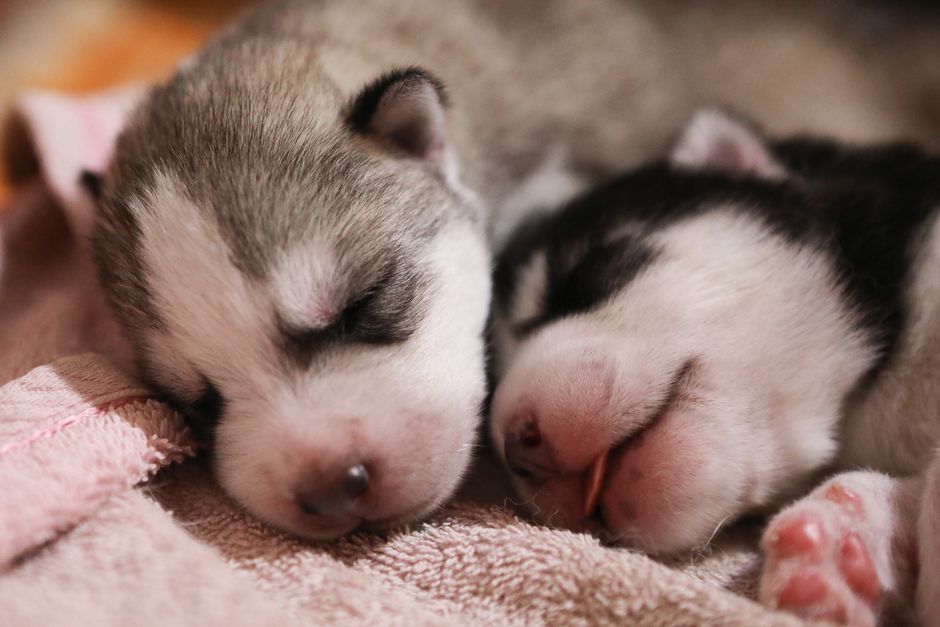
Just like human babies, Husky puppies sleep a lot—up to 18–20 hours a day. This is important for growth and brain development. Puppies need deep sleep to process new experiences and build muscle. As they mature into adults (1–7 years), sleep stabilizes to 12–14 hours. Senior Huskies (7+ years) often return to longer sleep durations due to lower energy levels, joint discomfort, or age-related changes.
| Life Stage | Average Daily Sleep | Key Reason |
|---|---|---|
| Puppy (0–1 year) | 18–20 hours | Growth, development, frequent naps |
| Adult (1–7 years) | 12–14 hours | Energy conservation, post-exercise recovery |
| Senior (7+ years) | 14–16 hours | Lower metabolism, potential health issues |
Activity Level and Sleep Connection
Huskies are high-energy working dogs. If your Husky receives adequate physical and mental stimulation (e.g., long walks, runs, agility, or puzzle toys), they will sleep deeply to recover. Conversely, an under-exercised Husky may still sleep a lot out of boredom or frustration, but this sleep may be lighter and less restorative. The key is to ensure your Husky gets at least 1–2 hours of vigorous exercise daily. A tired Husky is a happy sleeper!
It’s also important to note that Huskies are “burst” animals—they prefer high-intensity activity followed by relaxation. So don’t be alarmed if they sleep all day after a morning hike.
Boredom and Sleep
While Huskies sleep a lot naturally, excessive sleep can sometimes signal boredom or under-stimulation. Huskies are intelligent and need mental challenges. If your dog spends most of the day sleeping and shows little interest in play or training, consider enriching their environment. Rotate toys, provide interactive feeders, or teach new tricks. Boredom-induced sleep is often accompanied by listlessness or destructive behaviors when awake.
When Excessive Sleep Might Indicate Health Issues
Although sleeping a lot is normal for Huskies, you should watch for sudden changes in sleep patterns. Consult a vet if you notice:
- Sleeping significantly more than usual (e.g., 18+ hours in adult).
- Difficulty waking up or disorientation.
- Lethargy that persists even after rest.
- Loss of appetite, weight changes, or vomiting.
- Excessive sleeping accompanied by limping or stiffness (possible arthritis or injury).
- Seeming depressed or uninterested in favorite activities.
Medical conditions like hypothyroidism, diabetes, or infections can cause increased sleep. Always rule out health problems before attributing sleep to breed tendencies.
Tips for Ensuring Healthy Sleep Habits
To support your Husky’s natural sleep rhythms, follow these practical tips:
- Establish a consistent routine: Wake up, feed, exercise, and bedtime at the same times daily. Huskies thrive on predictability.
- Provide a comfortable sleep environment: A cool, quiet, and dark room with a supportive bed. Huskies overheat easily, so avoid warm bedrooms.
- Exercise before naptime: A good run or walk before quiet time helps them settle into deep sleep faster.
- Limit caffeine-like substances: Never give your Husky caffeinated drinks or chocolate, which can disrupt sleep and harm health.
- Use crates or designated sleep areas: Some Huskies feel more secure in a crate for napping.
- Monitor for disturbances: Loud noises or household stress can affect sleep quality.
Remember, your Husky’s sleep habits are largely normal. Embrace their need for rest—it’s a sign of a well-adjusted dog. However, always stay attentive to changes that could indicate underlying issues.
, Huskies sleep so much due to a combination of their ancestral energy-conservation instincts, age, exercise needs, and overall health. By understanding these factors, you can ensure your furry friend gets the rest they need to stay happy and healthy. If in doubt, consult your veterinarian for personalized advice.