Understanding Why Huskies Pull on the Leash
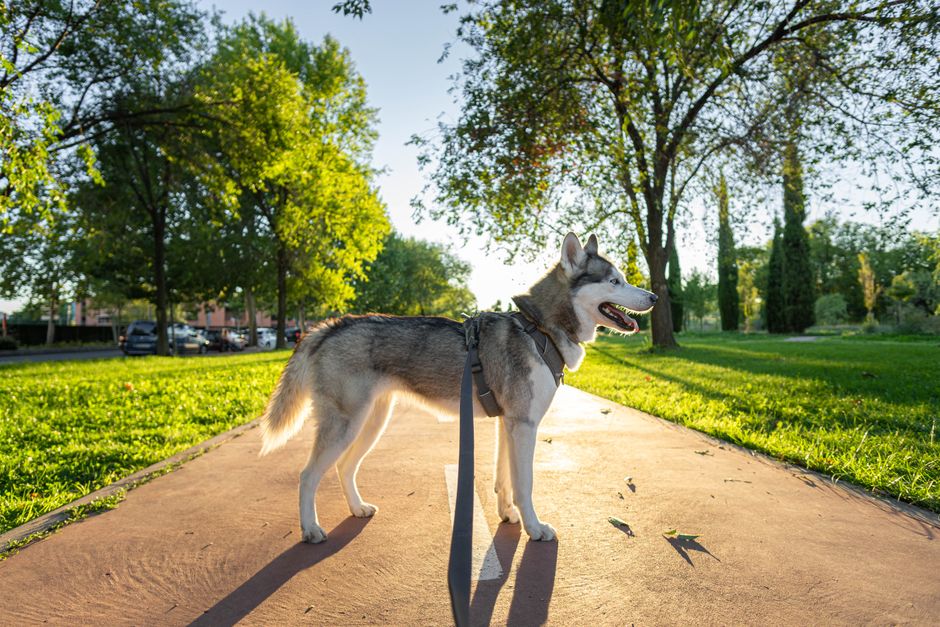
Siberian Huskies are bred as sled dogs, which means pulling is in their DNA. They have an innate drive to move forward and explore, making leash pulling a common challenge. Additionally, Huskies are highly energetic and independent, often more focused on their environment than on their owner. Understanding this instinct is the first step toward effective training.
Essential Equipment for Leash Training
Using the right gear can make a significant difference. Below is a comparison of common tools:
| Tool | Pros | Cons |
|---|---|---|
| Front-clip Harness | Redirects dog's forward motion; safe for trachea | May take time for dog to adjust |
| Head Halter | Gives maximum control; mimics mother dog correction | Some dogs dislike it; requires gradual introduction |
| Standard Collar | Simple and cheap | Can cause choking; encourages pulling |
| Martingale Collar | Prevents slipping out; gentle correction | Not ideal for strong pullers |
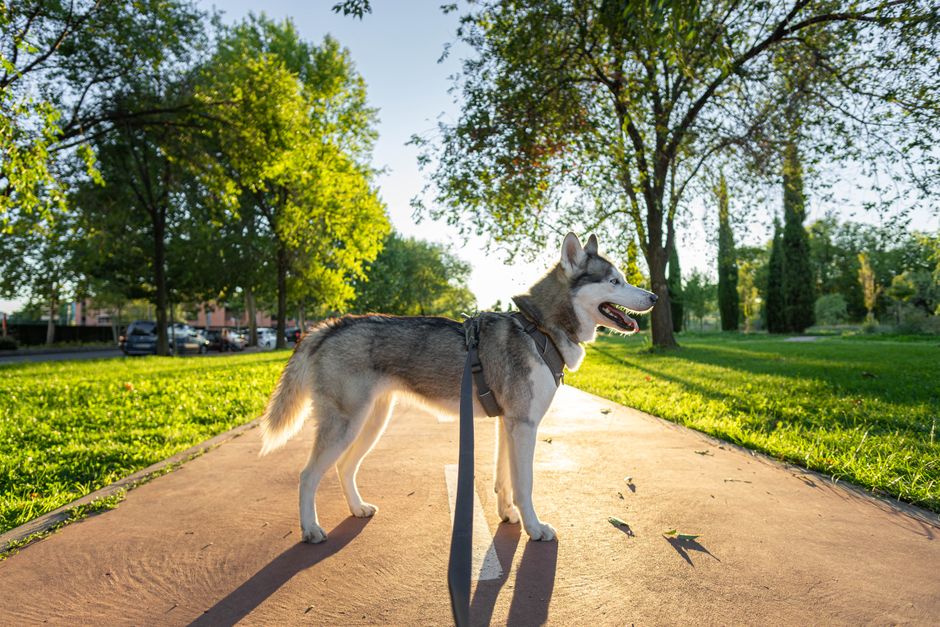
Recommendation: Start with a front-clip harness and a 4-6 foot leash. Avoid retractable leashes as they encourage pulling.
Training Techniques to Stop Leash Pulling
The Stop-and-Go Method
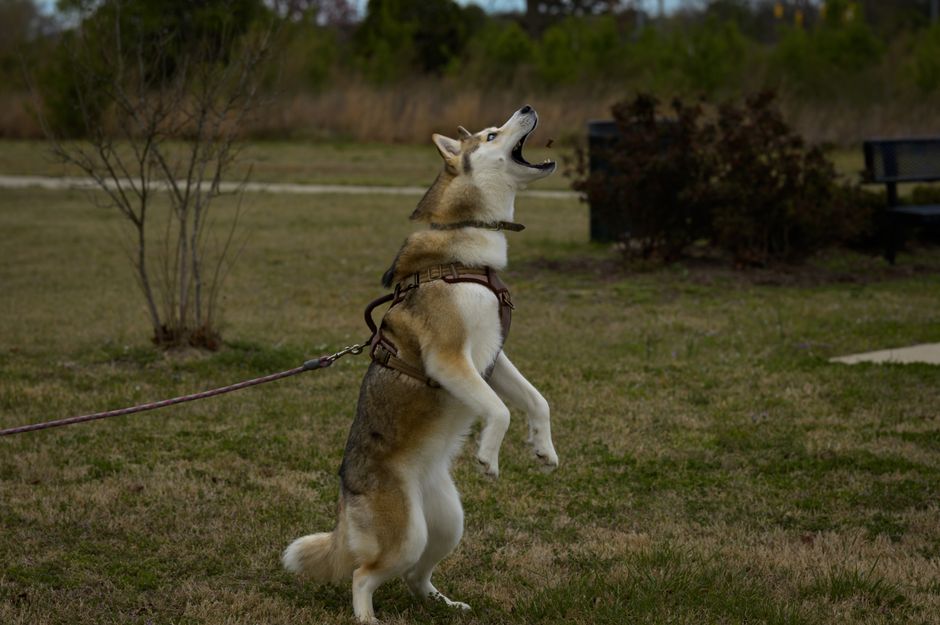
When your Husky pulls, stop walking immediately. Stand still like a statue. Wait until the leash goes slack (your dog looks back or returns), then reward with a treat and continue walking. Repeat consistently. Over time, your dog learns that pulling stops the fun.
Turn Around Technique
As soon as you feel tension, turn around and walk in the opposite direction. Say “let’s go” or a cue. Your Husky must follow. This teaches focus and that you decide the direction.
Focus and Attention Games
Practice making eye contact before moving. Hold a treat at your eye level and mark when your dog looks. Gradually increase duration and add movement. Use a command like “watch me” to build engagement.
Building a Solid Loose-Leash Walk
- Start in a low-distraction area (home or backyard).
- Reward every step your dog takes without pulling.
- Gradually increase difficulty: quiet street, then more exciting environments.
- Use high-value treats like boiled chicken or cheese.
- Keep sessions short (5-10 minutes) to prevent frustration.
Advanced Tips for Stubborn Pullers
- Use a harness with a front clip – It physically turns the dog when they pull.
- Add a head halter for extra control if needed, but pair with positive reinforcement.
- Exercise before walking – A tired Husky is more focused. Play fetch or let them run in a safe area first.
- Teach “heel” using shaping: lure your dog into position at your side and reward.
- Practice “leave it” for distractions like squirrels or other dogs.
Common Mistakes to Avoid
- Punishing pulling – Yelling or jerking the leash can create fear or resistance.
- Inconsistency – If you allow pulling sometimes, your Husky will be confused. Be 100% consistent.
- Too long sessions – Short, frequent training yields better results.
- Skipping exercise – Under-exercised Huskies are more likely to pull.
When to Seek Professional Help
If your Husky continues to pull despite consistent training, consider a professional dog trainer experienced with Northern breeds. Some dogs have deeply ingrained pulling habits that benefit from personalized guidance. Also rule out any medical issues that may affect behavior.
Conclusion
Leash pulling in Huskies is manageable with patience, the right tools, and consistent training. Remember to work with your dog’s natural instincts rather than against them. Celebrate small victories and keep training positive. With time, you and your Husky can enjoy peaceful walks together.