Siberian Huskies are renowned for their boundless energy and spirited demeanor. While their hyper behavior is a hallmark of the breed, it can become challenging for owners who aren't prepared. This guide delves into the reasons behind husky hyperactivity and offers actionable strategies to channel that energy constructively.
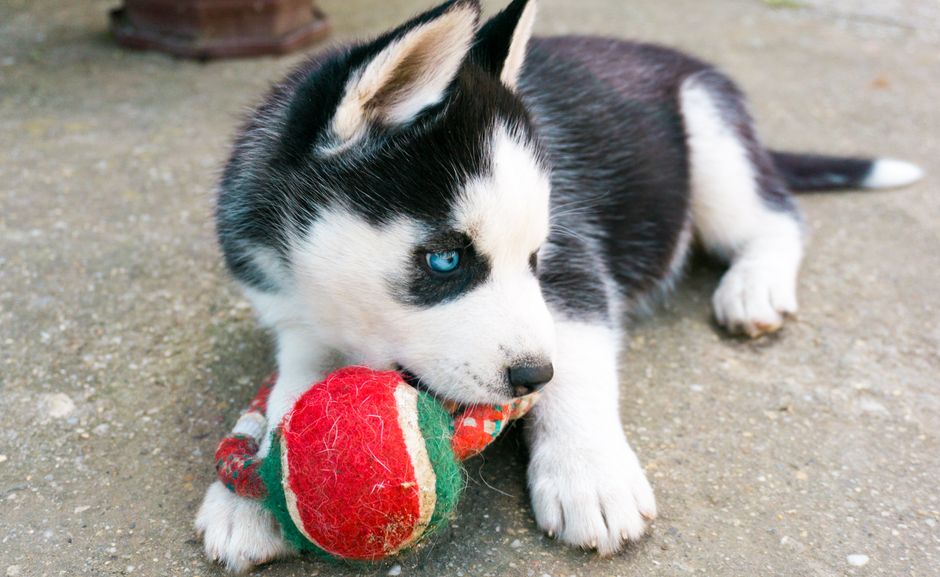
Understanding Husky Hyperactivity
Huskies were bred as sled dogs, capable of running long distances in harsh conditions. This history imbues them with incredible stamina and a need for vigorous daily activity. Hyperactivity in huskies is often not a behavioral problem but an unmet need for exercise and engagement.
Typical hyper behaviors include: constant pacing, jumping, excessive barking, digging, and destructive chewing. Recognizing these as cries for more stimulation is the first step to addressing them.
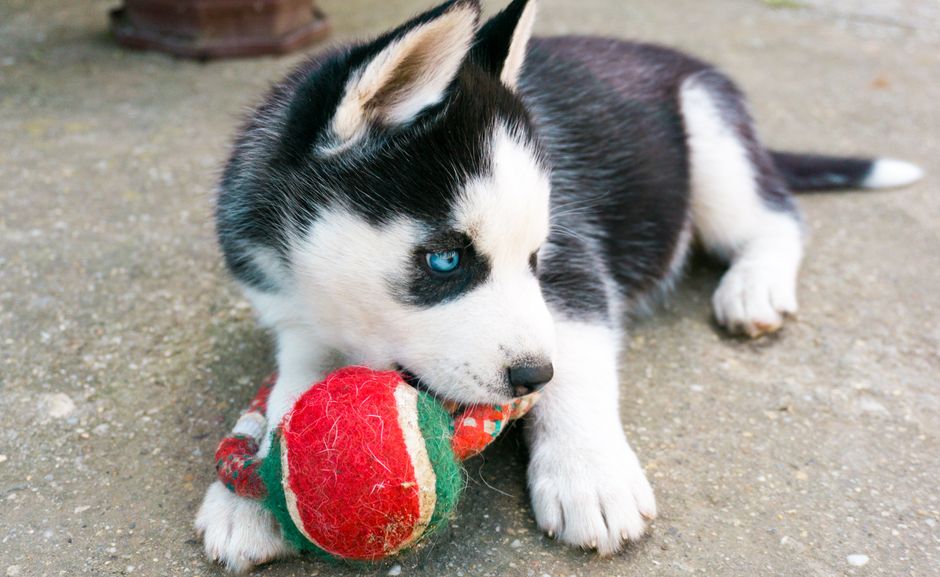
Common Causes of Hyper Behavior
Lack of Physical Exercise
Huskies require at least 1-2 hours of high-intensity exercise daily. A simple walk around the block won't suffice. Without adequate exercise, pent-up energy manifests as hyperactivity.
Insufficient Mental Stimulation
These intelligent dogs crave mental challenges. Boredom from lack of puzzle toys, training sessions, or interactive games can lead to frantic behavior.
Diet and Nutrition
High-protein diets can sometimes contribute to excess energy. Ensure your husky's food is appropriate for their activity level and age.
Health Issues
Hyperactivity can sometimes indicate thyroid imbalances or other medical conditions. Always consult a vet if behavior changes suddenly.
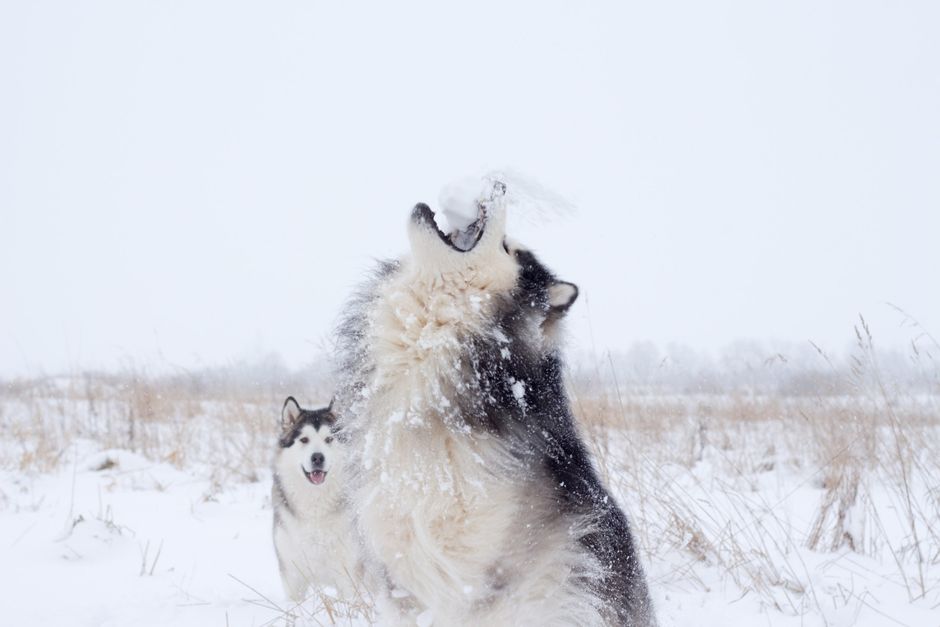
How to Calm a Hyper Husky
Provide Structured Exercise
Combine aerobic activities like running or biking with strength exercises such as hiking uphill. Huskies also enjoy pulling—consider weight pulling or sledding if feasible. Aim for at least two exercise sessions per day.
Engage Their Mind
Use food-dispensing toys, hide-and-seek with treats, and obedience drills. Trick training (e.g., spin, speak) tires them mentally. A tired mind is a calm husky.
Establish a Routine
Huskies thrive on predictability. Set fixed times for meals, walks, play, and rest. Consistency reduces anxiety and hyperactivity.
Create a Calm Environment
Designate a quiet zone with a crate or bed. Use calming aids like classical music or pheromone diffusers. Avoid overstimulating your husky before bedtime.
Exercise Recommendations for Huskies
| Activity | Duration | Frequency |
|---|---|---|
| Running or jogging | 30-60 mins | Daily |
| Biking (with dog attachment) | 20-30 mins | 3-4 times/week |
| Hiking | 1-2 hours | 2-3 times/week |
| Fetch or frisbee | 15-20 mins | Daily |
| Puzzle toys/mental games | 15 mins | Daily |
Training Techniques to Curb Hyperactivity
Obedience Basics
Master commands like 'sit', 'stay', 'down', and 'leave it' in low-distraction environments, then gradually increase difficulty. This teaches impulse control.
Impulse Control Exercises
- Wait at Doors: Have your husky sit and wait before exiting. Release with a cue.
- Leave Treats: Place a treat on the floor and cover it with your hand. Reward for backing away.
- Stay in Place: Increase duration gradually.
Positive Reinforcement
Reward calm behavior with treats and praise. Ignore hyper behavior (if safe) to avoid reinforcing it. Use high-value rewards for challenging tasks.
Structured Play
Turn play into training. For instance, ask for a 'down' before throwing a toy. This teaches your husky that calmness leads to fun.
When to Seek Professional Help
If hyperactivity persists despite adequate exercise and training, consult a veterinarian or certified dog behaviorist. Signs that warrant professional intervention include:
- Aggression toward people or other animals
- Self-harming behaviors (e.g., excessive licking)
- Severe separation anxiety
- Destructive behavior that poses safety risks
A professional can rule out medical issues and design a customized behavior modification plan.
Living with a hyper husky requires patience, consistency, and creativity. By meeting their physical and mental needs, you can transform that frenetic energy into a joyful, balanced companionship. Remember, a tired husky is a happy husky—and a happy owner.