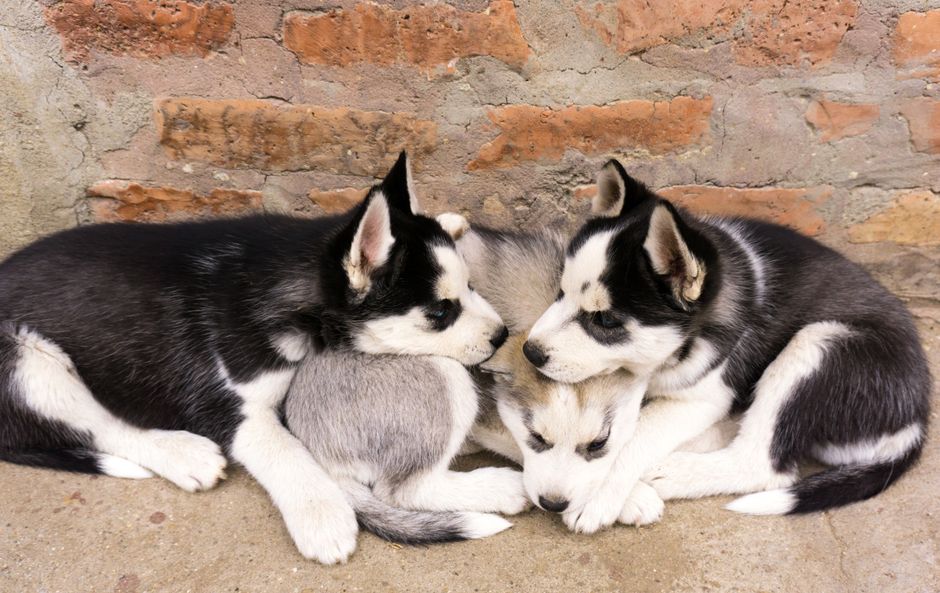
Understanding Why Your Husky Is Afraid of Strangers
Siberian Huskies are known for their friendly, outgoing nature, but some individuals develop a fear of strangers. This can be distressing for both the dog and the owner. Understanding the root causes is the first step toward helping your husky feel more comfortable around new people. Fear in huskies often stems from lack of socialization, negative past experiences, or genetic predisposition. While huskies are not typically aggressive, a fearful husky may display defensive behaviors that can be mistaken for aggression.
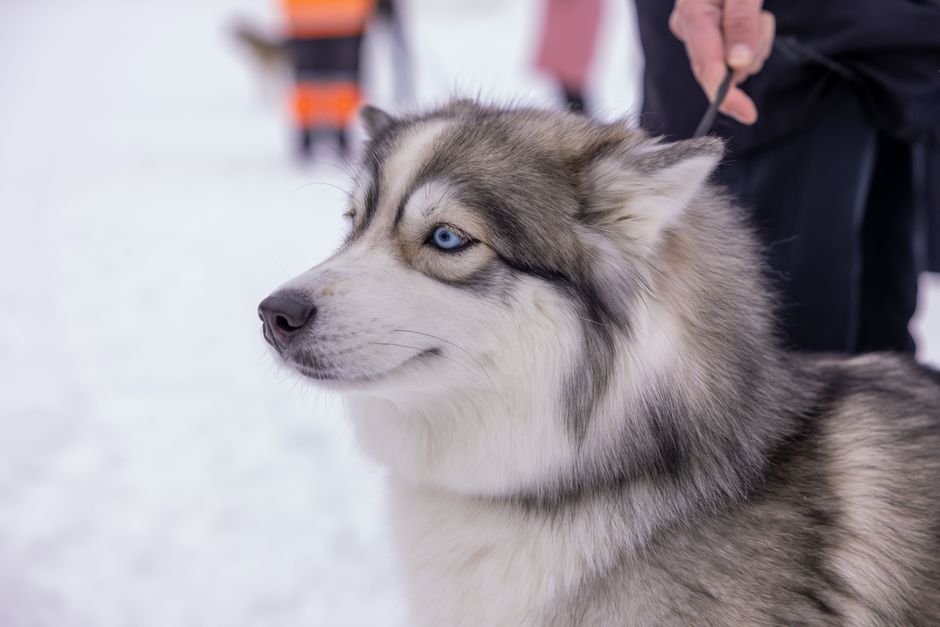
Common Causes of Fear of Strangers in Huskies
Lack of Early Socialization
The critical socialization period for puppies is between 3 and 14 weeks of age. If a husky puppy does not have positive, controlled exposure to several people during this time, they may grow up to be wary of strangers. This is especially common in huskies adopted as adults from shelters or rescue organizations.
Traumatic Experiences
A single negative encounter with a stranger—such as being startled, handled roughly, or even attacked—can create a lasting fear. Huskies have excellent memories, and one bad experience can generalize to all strangers.
Genetics and Temperament
Some husky lines are naturally more reserved or timid. While the breed standard describes huskies as friendly and gentle, individual temperament varies. A husky with a shy disposition may be more prone to fearfulness.
Owner Behavior
Dogs are highly attuned to their owners' emotions. If you are anxious or tense when meeting new people, your husky may pick up on that and interpret strangers as a threat. Conversely, forcing your dog into uncomfortable situations can worsen fear.
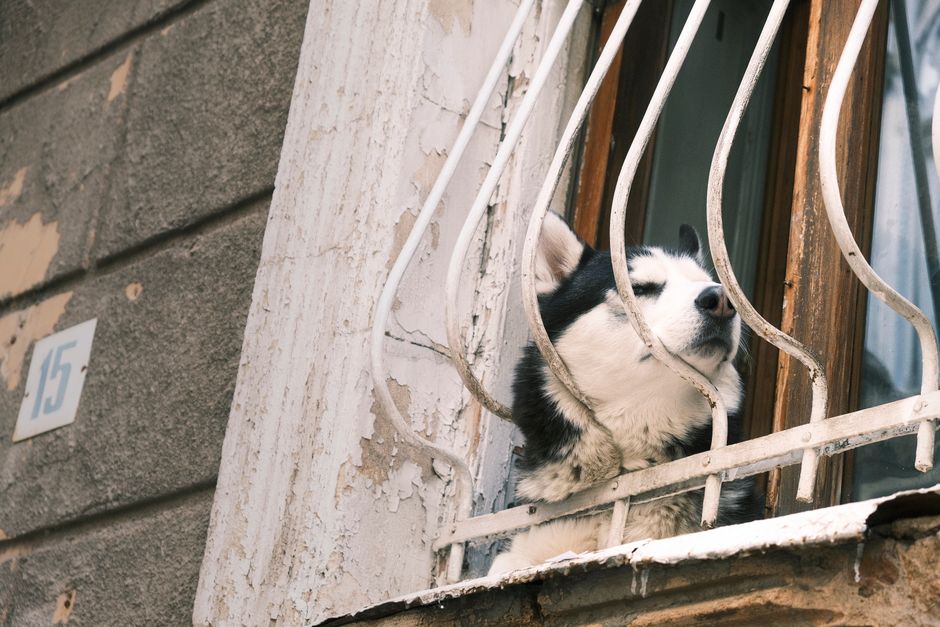
Signs That Your Husky Is Afraid of Strangers
Recognizing fear is crucial. Common signs include:
- Body language: tucked tail, ears back, whale eye (showing the whites of the eyes), cowering, or trembling.
- Vocalizations: whimpering, growling, or barking when a stranger approaches.
- Avoidance: hiding behind you, moving away, or refusing treats from strangers.
- Defensive aggression: snapping, lunging, or biting if the stranger persists or the dog feels trapped.
It’s important to differentiate between fear and true aggression. Fear-based responses are rooted in self-protection, while true aggression is more about dominance or territoriality. A fearful husky will usually try to escape first.
How to Help Your Husky Overcome Fear of Strangers
Create a Safe Environment
Never force your husky to interact with strangers. Allow them to approach at their own pace. Provide a safe space, like a crate or a quiet room, where they can retreat when overwhelmed.
Counter-Conditioning and Desensitization
This is the gold standard for treating fears. Pair the presence of a stranger with something your husky loves, such as high-value treats, praise, or play. Start at a distance where your husky notices the stranger but does not react fearfully. Gradually decrease the distance over multiple sessions.
Step-by-step process:
- Have a friend (the stranger) stand far away (e.g., 50 feet). As soon as your husky sees them, give a treat. Repeat until your husky looks at the stranger and then at you for a treat.
- Move the stranger 10 feet closer. Continue treating for calm behavior. If your husky shows fear, go back to the previous distance.
- Once your husky is comfortable at close range, the stranger can toss treats to your husky (without direct eye contact or reaching).
- Progress to the stranger handing treats, then gentle petting if your husky accepts.
Patience is key. Each session should be short (5-10 minutes) and end on a positive note.
Use Calming Aids
Products like Adaptil (DAP) diffusers, calming vests (Thundershirt), or natural supplements (CBD oil, chamomile) can help reduce anxiety. Always consult your vet before using supplements.
Train Basic Obedience
A well-trained husky is easier to manage in stressful situations. Teach commands like "sit," "stay," "look at me," and "leave it". Use these to redirect your dog's attention when a stranger appears.
Avoid Punishment
Never scold or punish your husky for being fearful. This will only increase anxiety and damage trust. Instead, reward any small sign of courage.
Preventing Fear of Strangers in Husky Puppies
If you have a husky puppy, early and positive socialization is the best prevention. Expose your puppy to several people of different ages, appearances, and behaviors. Make every interaction positive with treats and praise. Enroll in a puppy socialization class where they can meet other dogs and people in a controlled setting.
socialization is not just about exposure; it's about positive experiences. A bad experience can do more harm than good.
When to Seek Professional Help
If your husky’s fear is severe—causing aggression, extreme panic, or inability to function—consult a professional dog trainer or veterinary behaviorist. They can create a tailored behavior modification plan and, if needed, prescribe anti-anxiety medication. Never attempt to handle a fearful-aggressive dog on your own; safety comes first.
Frequently Asked Questions
Can a husky outgrow fear of strangers?
No, fear typically does not resolve on its own. Without intervention, it may worsen as the dog’s negative experiences accumulate. However, with proper training and patience, most huskies can learn to tolerate or even enjoy meeting new people.
Is it normal for huskies to be aloof with strangers?
Some huskies are naturally independent and may not be overly friendly with strangers, but outright fear is not normal. Aloofness is different: the dog is neutral, not afraid. Fear involves stress and avoidance.
Should I let strangers give my husky treats?
Yes, but only after your husky is comfortable from a distance. Let the stranger toss treats gently, then gradually hand them. Always monitor your dog’s body language.
| Fear Level | Recommended Action |
|---|---|
| Mild (slight hesitation) | Counter-conditioning at a distance |
| Moderate (barking, hiding) | Desensitization with high-value treats |
| Severe (growling, lunging, biting) | Consult a professional trainer or behaviorist |
Conclusion
Helping a husky afraid of strangers takes time, empathy, and consistency. By understanding the cause, recognizing the signs, and using positive training methods, you can build your husky’s confidence and create a happier, more relaxed dog. Remember: every husky is an individual, and progress may be slow. Celebrate small victories and don’t hesitate to seek professional guidance if needed. With your support, your husky can learn that strangers are not so scary after all.