Bringing home a Siberian Husky puppy is an exciting adventure, but many new owners quickly face a common challenge: the husky puppy biting problem. If your little fluffball seems to think your hands, ankles, and furniture are chew toys, you're not alone. Biting is a natural part of puppy development, but without proper guidance, it can become a persistent issue. This comprehensive guide will help you understand why husky puppies bite and how to stop it effectively.
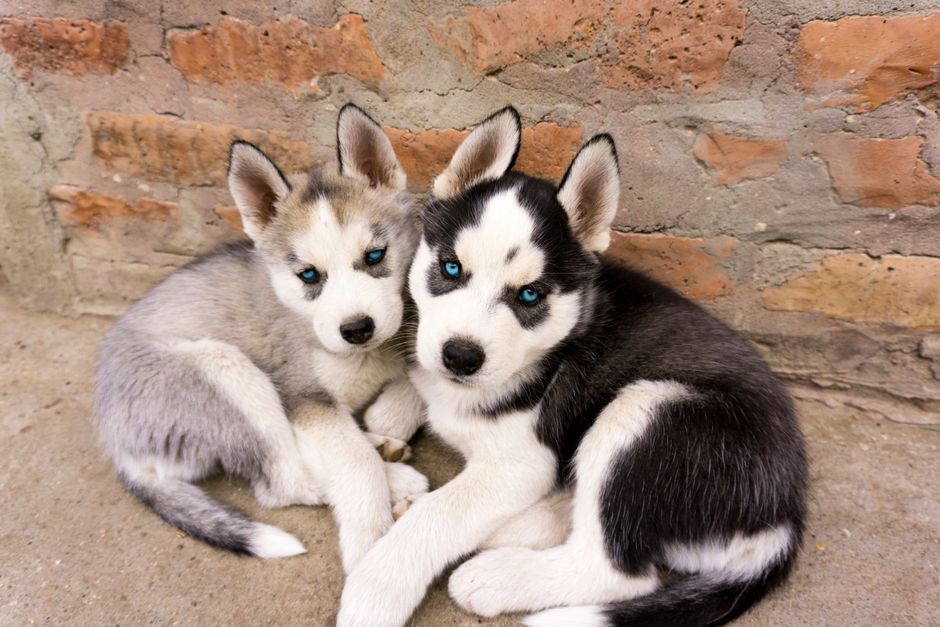
Why Do Husky Puppies Bite?
Husky puppies bite for several reasons, all rooted in their natural instincts and developmental stages:
- Teething: Just like human babies, puppies go through a teething phase from about 3 to 6 months. Their gums are sore, and biting helps relieve the discomfort.
- Exploration: Puppies use their mouths to explore the world. They don't have hands, so everything goes into their mouth to learn about texture and taste.
- Play and Herding Instincts: Huskies were bred as working dogs, often used for pulling sleds and even herding. They have a natural tendency to nip at moving objects – including your feet and hands – as part of play or herding behavior.
- Attention Seeking: Even negative attention is attention. If biting gets a reaction, your puppy learns it's a way to engage with you.
When Does Biting Become a Problem?
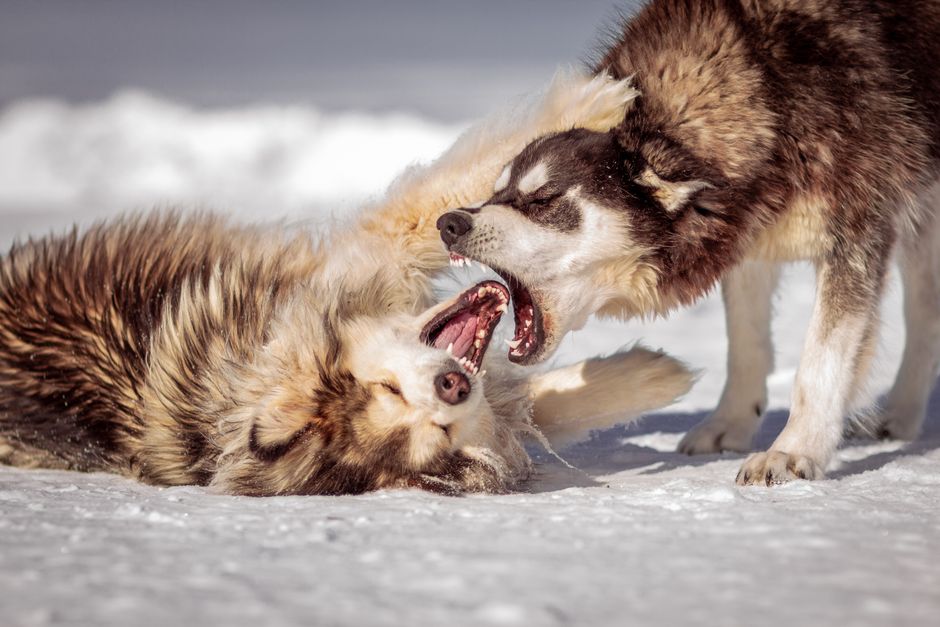
While mouthing is normal, it becomes a problem when it escalates to hard biting, continues beyond 6 months of age, or is accompanied by growling and aggression. A husky puppy that bites too hard without inhibition can cause injury and may develop into an adult dog with poor bite inhibition. Early intervention is key.
How to Stop Husky Puppy Biting: Step-by-Step Guide
1. Redirect to Appropriate Toys
Always have several chew toys available. When your puppy starts to bite you, immediately redirect their mouth to a toy. Encourage them to chew on the toy by waving it or making it interesting. Praise them when they take the toy.
2. Use Time-Outs
If redirection doesn't work and your puppy bites hard, calmly say “Ouch” or “No” in a neutral tone, then turn away and ignore them for 10-20 seconds. If they persist, leave the room or put them in a safe, boring area (like a bathroom) for 30-60 seconds. This teaches that biting ends the fun.
3. Socialization and Bite Inhibition
Puppy socialization classes are invaluable. Other puppies will teach your husky bite inhibition: if they bite too hard, the other puppy yelps and stops playing. You can mimic this with a high-pitched yelp when bitten hard, then withdraw attention.
4. Manage the Environment
Prevent mistakes by managing your puppy's access to tempting items. Use baby gates to keep them away from areas with loose items. Wear long sleeves and pants when playing until the habit is under control.
5. Use Positive Reinforcement
Reward gentle play and calm behavior. When your puppy mouths softly or licks instead of biting, give them a treat or praise. Consistency is crucial.
Common Mistakes Owners Make
- Punishing physically: Never hit or yell at your puppy. This can lead to fear and aggression.
- Rough play: Wrestling or encouraging biting during play confuses boundaries.
- Ignoring the problem: Hoping it will go away rarely works – biting usually worsens without training.
Training Tips for the Teething Period
Teething can intensify biting. Provide frozen treats, such as a wet washcloth twisted and frozen, or special teething toys filled with peanut butter (safe for dogs). Ice cubes or frozen carrots also soothe sore gums. Rotate toys to keep them interesting.
| Teething Soother | Benefits |
|---|---|
| Frozen Kong toy | Sturdy, can be stuffed, long-lasting |
| Frozen washcloth | Soft, easy to grip |
| Rubber teething ring | Massages gums |
| Frozen baby carrots | Edible, healthy |
When to Seek Professional Help
If your husky puppy shows signs of true aggression (snapping, growling, biting with intent to harm), consult a certified professional dog trainer or veterinary behaviorist. Also seek help if the biting gets worse despite consistent training, or if your puppy is over 6 months old and still biting hard.
Conclusion
The husky puppy biting problem is normal but manageable. With patience, consistency, and proper techniques, you can teach your puppy bite inhibition and develop a well-mannered adult dog. huskies are intelligent and energetic – fulfilling their exercise needs (at least 1-2 hours of activity daily) also reduces nipping from boredom. Start training early and enjoy the journey with your Siberian Husky!