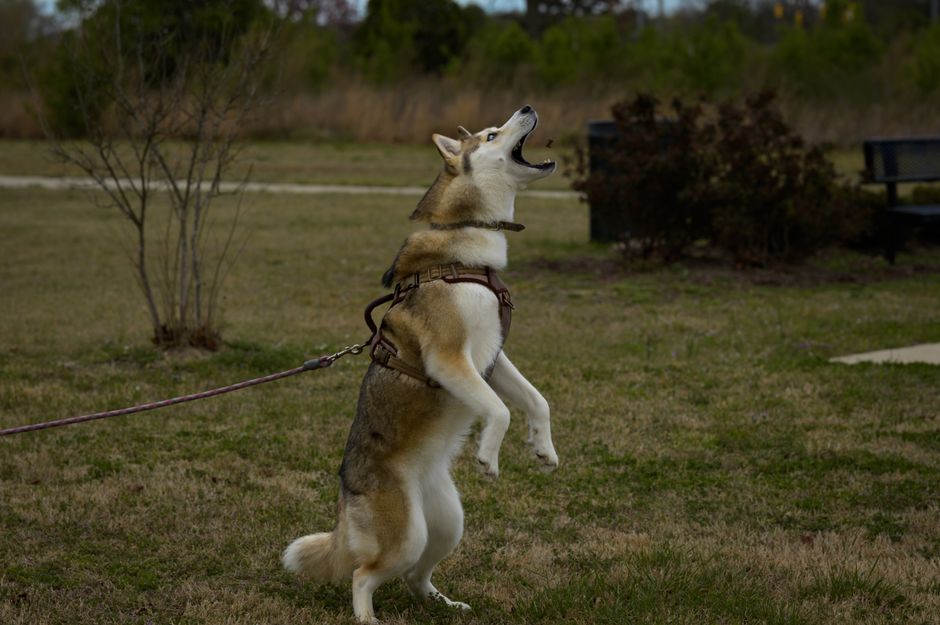
Why Leash Training Is Crucial for Your Husky Puppy
Leash training is one of the first and most important lessons for any Siberian Husky puppy. Known for their independent nature, high energy, and strong prey drive, Huskies can be challenging walkers if not trained early. Proper leash training ensures safety, prevents pulling, and makes walks enjoyable for both you and your pup. Starting between 8–12 weeks of age lays the foundation for a well-behaved adult dog.
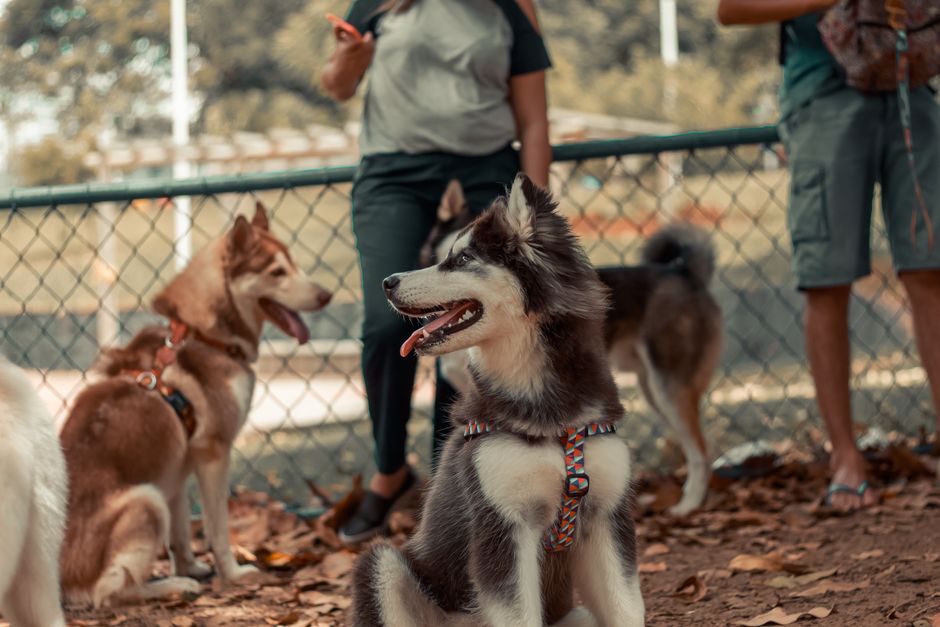
When to Start Leash Training Your Husky Puppy
The ideal time to introduce the leash is as soon as your puppy comes home, typically around 8 weeks old. At this age, they are still small and easier to manage, but also beginning to learn about their environment. Begin indoors or in a fenced yard to minimize distractions. Never rush the process; patience and consistency are key.
Signs Your Puppy Is Ready
- Can focus on you for a few seconds without getting distracted.
- Responds to basic cues like “sit” or “look.”
- Is comfortable wearing a collar or harness.
Choosing the Right Equipment for Leash Training
Selecting the correct gear is important for successful leash training. For a Husky puppy, consider the following options:
| Equipment | Pros | Cons |
|---|---|---|
| Flat collar | Simple, lightweight | Can cause neck strain if puppy pulls |
| Harness (front-clip) | Distributes pressure, reduces pulling | May encourage pulling if attached at back |
| Head halter (e.g., Gentle Leader) | Gives control over head direction | Requires gradual introduction, may be disliked |
| Standard 6-foot leash | Allows control and freedom | Retractable leashes are not recommended |
For a Husky puppy, a front-clip harness combined with a lightweight 4-6 foot leash is often ideal. Avoid retractable leashes as they encourage pulling and can be dangerous.
Step-by-Step Leash Training Process
Step 1: Collar/Harness & Leash Introduction
Before attaching the leash, let your puppy explore the harness or collar. Reward them with treats and praise for sniffing it. Then, gently put it on for a few seconds, then remove. Repeat several times a day until your puppy shows no resistance. Next, attach the leash and let it drag on the floor while you supervise. Reward calm behavior.
Step 2: Introducing Movement
Once your puppy is comfortable with the gear, hold the leash loosely and encourage them to walk a few steps with you. Use a cheerful voice and treats. If they freeze, call them to you and reward movement. Never drag the puppy; let them come willingly.
Step 3: Teaching Loose Leash Walking
Start in a low-distraction area. The goal is for the leash to remain slack. If your puppy starts to pull, stop moving immediately. Wait for them to look back at you or come closer, then reward and continue. This teaches that pulling stops forward movement. Consistency teaches them to stay near you.
Step 4: Adding Commands
Use simple cues like "Let's go" to start walking, "Easy" to slow down, and "Wait" to pause. Pair each with a treat and praise. Huskies are smart but stubborn; short sessions of 5-10 minutes work best.
Common Challenges in Husky Puppy Leash Training
Pulling
Huskies are bred to pull sleds, so pulling is in their nature. Combat this by stopping when they pull and changing direction often. Use the "turn and tempt" method: when you feel tension, turn around and walk the other way, rewarding when the puppy follows without pulling.
Distractions (Squirrels, Other Dogs)
Huskies have a strong prey drive. In high-distraction environments, keep high-value treats ready. Teach a strong "look" command at home first, then use it outdoors to refocus your puppy on you. Gradually increase distance from distractions.
Leash Biting or Chewing
This is common with teething puppies. Redirect to a chew toy, and stop moving until the puppy drops the leash. Never use a metal chain leash as it can hurt teeth. Offer a frozen carrot or appropriate chew as an alternative.
Positive Reinforcement Techniques
Huskies respond best to rewards rather than punishment. Use small, soft treats that are easy to eat quickly. Praise with an excited voice. Mark desired behavior with a clicker or a word like “yes”. Avoid yelling or jerking the leash, which can create fear and resistance.
Realistic Expectations: How Long Does It Take?
Leash training a Husky puppy is a marathon, not a sprint. Most puppies grasp basics within 2-4 weeks with daily practice, but full loose-leash walking may take months. Consistency is more important than perfection. Celebrate small victories and keep sessions fun.
Safety Tips for Leash Training
- Always supervise your puppy with the leash on to prevent tangling or accidents.
- Never tie the leash to furniture or leave it on unattended.
- Use a breakaway collar if your puppy is clumsy, or opt for a harness.
- During early training, walk in safe areas free from traffic and aggressive dogs.
- Keep walks short and positive to avoid overexertion (puppies have limited stamina).
Leash Training as Part of Your Husky’s Daily Routine
Incorporate short training sessions twice a day: once for practice and once for a relaxed walk. As your puppy grows, gradually increase walk duration. Pair leash training with other mental stimulation like puzzle toys to keep your Husky engaged. Remember, a tired Husky is a well-behaved Husky.
When to Seek Professional Help
If your Husky puppy shows extreme fear or aggression on the leash, or if you’re struggling after several weeks, consult a professional dog trainer experienced with energetic breeds. Signs include freezing, growling, or trying to escape. Professional help can prevent bad habits from solidifying.
Final Thoughts on Husky Puppy Leash Training
Leash training your Siberian Husky puppy is an investment in a lifetime of enjoyable walks and a strong bond. With patience, positivity, and persistence, even the most independent Husky can become a polite walking companion. Start today, and enjoy the journey with your spirited pup.
Recommended Products for Your Husky
As an Amazon Associate, we earn from qualifying purchases. Learn more.
- Heavy Duty Dog Leash — Check price on Amazon
- Retractable Leash — Check price on Amazon
- Double-Handle Leash — Check price on Amazon
Frequently Asked Questions
How much sleep does a Husky puppy need?
Up to 18–20 hours a day. Over-tired puppies bite and crash; enforce naps in the crate.
When should vaccinations start?
The first round is usually at 6–8 weeks, then boosters every 3–4 weeks until 16 weeks. Avoid dog parks until complete.
How do I socialize a Husky puppy?
Expose them to sounds, surfaces, people, and calm dogs before 16 weeks. Positive experiences now prevent fear later.
Editor's Note
In our experience the four-month fear period blindsides owners. A puppy who loved the vacuum suddenly trembles. We tell clients: don't force it, let them approach. Pushing through it cemented the fear in two cases we handled.
Sources & Further Reading
HuskySpot researches each topic against recognized breed and veterinary authorities. The following organizations inform our content: