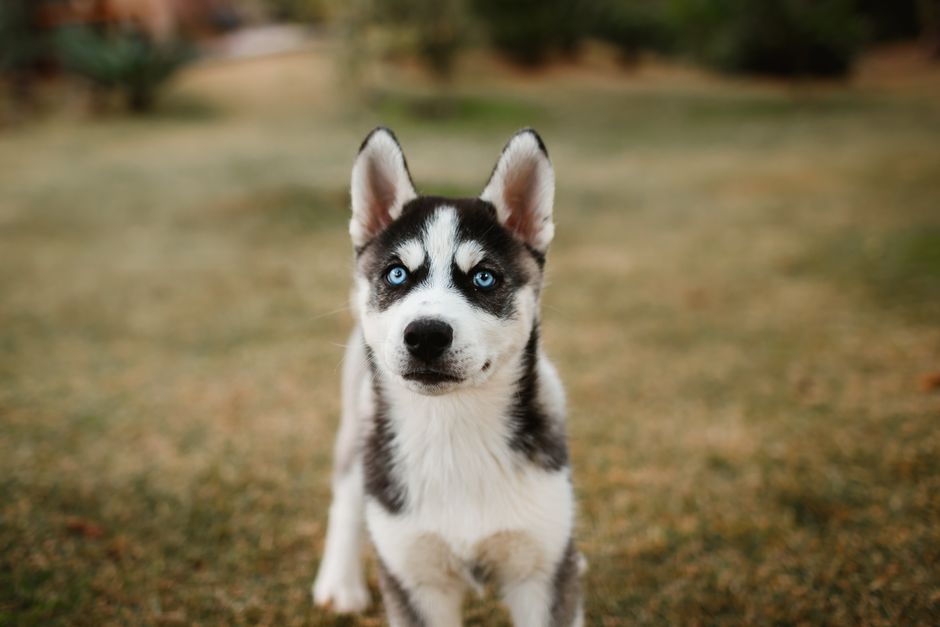
What Causes Allergies in Husky Puppies?
Husky puppies, like many other breeds, can develop allergies due to a hypersensitive immune system reacting to harmless substances. The three main categories of allergens are:
- Food allergies – typically triggered by proteins (chicken, beef, dairy) or grains (wheat, corn).
- Environmental allergies (atopy) – caused by pollen, mold, dust mites, or grass.
- Contact allergies – reactions to shampoos, flea collars, or bedding materials.
Due to their thick double coat, husky puppies may show allergies differently than short-haired breeds. Early detection is key to managing discomfort and preventing secondary infections.
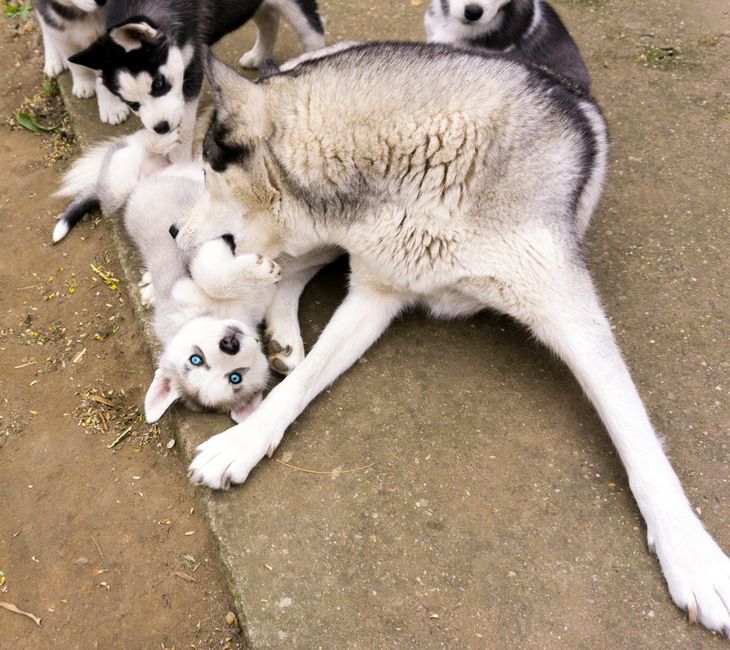
Common Symptoms of Allergies in Husky Puppies
Allergic reactions in husky puppies often manifest through skin, ear, and digestive issues. Watch for these signs:
| Symptom | Likely Cause |
|---|---|
| Excessive scratching, licking paws | Environmental or food allergy |
| Red, inflamed skin (especially belly, ears) | Contact or atopic dermatitis |
| Chronic ear infections (yeasty odor) | Food allergy |
| Hair loss, hot spots | Flea allergy or atopy |
| Sneezing, watery eyes | Inhalant allergens |
| Vomiting, diarrhea, gas | Food intolerance or allergy |
If your husky puppy shows two or more of these symptoms consistently, an allergy is likely. Puppies often outgrow some sensitivities, but others require lifelong management.
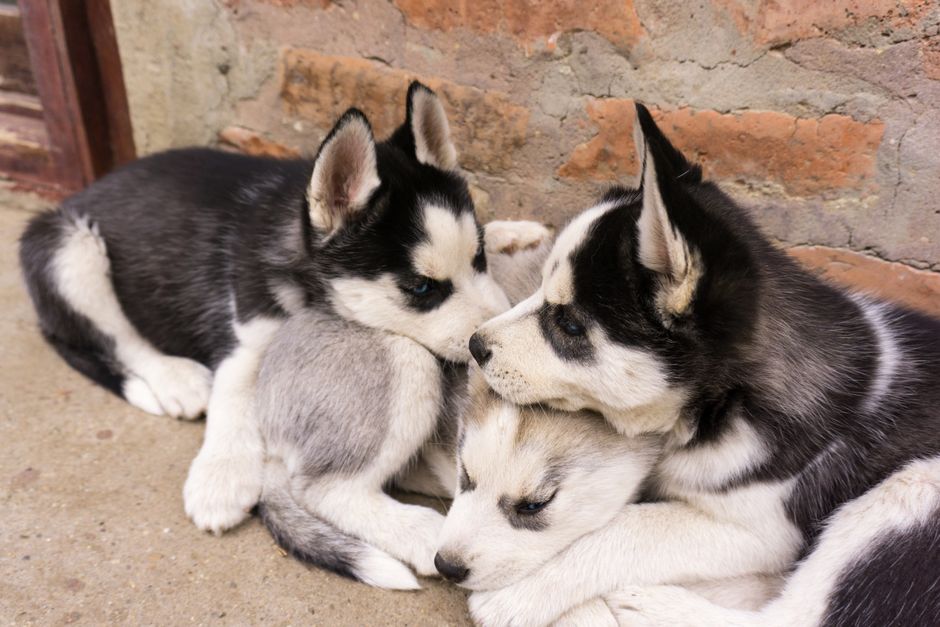
Diagnosing Allergies in Your Husky Puppy
Getting an accurate diagnosis is crucial. Start with these steps:
Visit Your Veterinarian
Your vet will perform a physical exam, skin scrape, and possibly blood work to rule out other conditions like mange or thyroid issues. They may recommend an elimination diet or allergy testing.
Elimination Diet for Food Allergies
Feed your puppy a novel protein (e.g., venison, duck) and a single carbohydrate (e.g., sweet potato) for 8-12 weeks. If symptoms improve, gradually reintroduce old foods to identify triggers. Keep a food diary.
Allergy Testing
Intradermal skin testing or serum IgE testing can pinpoint environmental allergens. This is especially useful for atopy. Results guide immunotherapy (allergy shots or drops).
Treatment and Management Options
Managing husky puppy allergies involves a combination of avoidance, medication, and supportive care.
Medications
- Antihistamines – Benadryl (diphenhydramine) or Zyrtec (cetirizine) for mild itching. Always consult your vet for proper dosing.
- Corticosteroids – Short-term use for severe inflammation (e.g., prednisone).
- Immunosuppressants – Apoquel or Cytopoint for long-term control.
Topical Treatments
Hypoallergenic shampoos (oatmeal, aloe), medicated wipes for paws, and omega-3 fatty acid supplements help soothe skin and reduce inflammation.
Dietary Changes
Switch to a limited-ingredient diet or hydrolyzed protein food. Avoid common allergens like chicken, beef, dairy, and grains. Fresh or frozen raw diets can also reduce exposure to preservatives.
Environmental Control
- Use HEPA air purifiers to reduce indoor allergens.
- Wash bedding weekly in hot water.
- Wipe your puppy's paws after outdoor walks.
- Bathe weekly during allergy season using a gentle shampoo.
Preventing Allergies in Husky Puppies
While you can't change genetics, early prevention can reduce severity:
- Start with a high-quality diet – avoid fillers and artificial additives.
- Limit early exposure to allergens – gradually introduce new foods and environments.
- Maintain a consistent grooming routine – regular brushing removes dander and debris.
- Use preventive flea control – flea saliva is a common allergen.
Husky puppies with a family history of allergies are at higher risk. If you buy from a breeder, ask about the parents' allergy status.
When to See a Vet
Seek veterinary care immediately if your puppy experiences:
- Hives or facial swelling (sign of anaphylaxis)
- Difficulty breathing
- Severe vomiting or diarrhea leading to dehydration
- Open sores or widespread skin infection
For mild chronic symptoms, schedule an appointment to begin diagnosis and treatment. Early intervention improves quality of life and prevents secondary issues.
Remember, husky puppies are sensitive and may develop allergies at any age. By staying observant and proactive, you can help your furry friend thrive despite their allergies.
Recommended Products for Your Husky
As an Amazon Associate, we earn from qualifying purchases. Learn more.
- Healthy Dog Treats — Check price on Amazon
- Dental Chews — Check price on Amazon
- Training Treats — Check price on Amazon
Frequently Asked Questions
How do I housebreak a Husky puppy?
Take them out every hour, after meals, and on waking; reward immediately. Crate overnight so they won't soil their den.
When can Husky puppies leave their mother?
Not before 8 weeks — earlier weaning harms socialization. Many breeders hold to 10–12 weeks for stability.
How much sleep does a Husky puppy need?
Up to 18–20 hours a day. Over-tired puppies bite and crash; enforce naps in the crate.
Editor's Note
Our team's teething survival tip is low-tech: frozen washcloths. We've handed them to dozens of owners and the puppies chew the cloth, not the furniture. Redirect, don't scold—they're not being bad, they're in pain.
Sources & Further Reading
HuskySpot researches each topic against recognized breed and veterinary authorities. The following organizations inform our content: