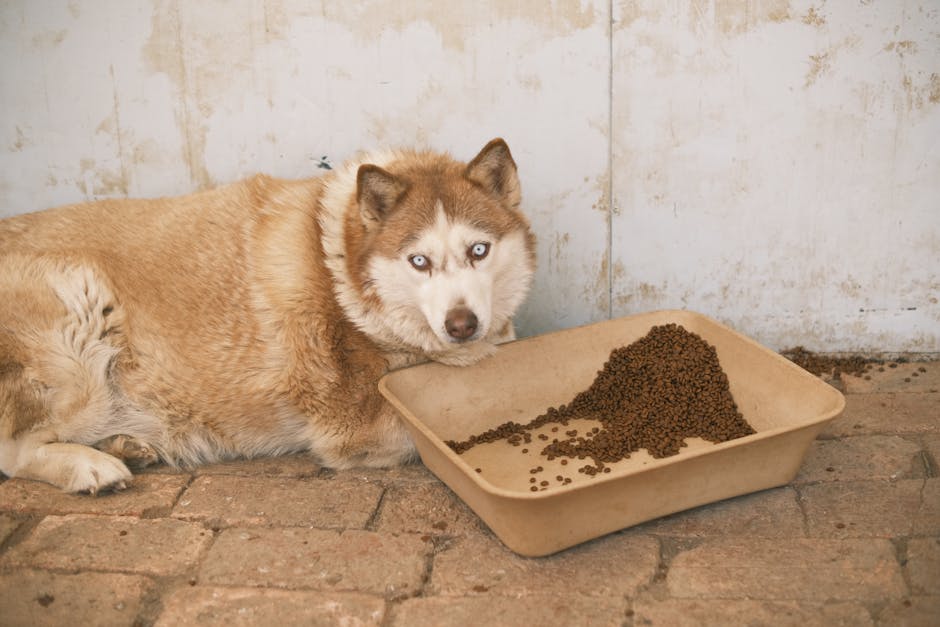
Understanding Your Husky's Digestive Health
Siberian Huskies are known for their energetic and adventurous spirit, but their stomachs can be just as spirited—and sometimes troublesome. Husky stomach problems are a common concern among owners, ranging from mild gas to serious conditions like bloat. This guide covers everything you need to know about causes, symptoms, treatments, and prevention strategies to keep your furry friend’s digestive system in top shape.

Common Stomach Problems in Huskies
Sensitive Stomach
Many Huskies have a naturally sensitive digestive system. They may react poorly to sudden food changes, rich treats, or even stress. A sensitive stomach often manifests as intermittent vomiting or diarrhea.
Gastritis
Gastritis is inflammation of the stomach lining, often caused by eating something they shouldn’t, like garbage or spoiled food. Symptoms include vomiting (sometimes with bile), loss of appetite, and lethargy.
Pancreatitis
Pancreatitis is a serious inflammation of the pancreas, commonly triggered by high-fat foods. Huskies are prone to this condition, which causes severe abdominal pain, vomiting, diarrhea, and fever. Immediate veterinary care is required.
Gastroenteritis
This is inflammation of the stomach and intestines, often due to infections, parasites, or dietary indiscretion. It leads to both vomiting and diarrhea and can cause dehydration quickly.
Bloat (Gastric Dilatation-Volvulus)
Bloat is a life-threatening emergency where the stomach fills with gas and twists on itself. Deep-chested dogs like Huskies are at higher risk. Signs include a distended abdomen, unproductive retching, restlessness, and rapid breathing. Immediate vet intervention is critical.
Food Allergies and Intolerances
Huskies can develop allergies to proteins like chicken, beef, or grains. Symptoms include chronic diarrhea, vomiting, itchy skin, and ear infections. An elimination diet is the best way to identify triggers.
Intestinal Parasites
Roundworms, hookworms, giardia, and other parasites can cause digestive upset. Puppies are especially vulnerable. Regular deworming and fecal exams are essential.
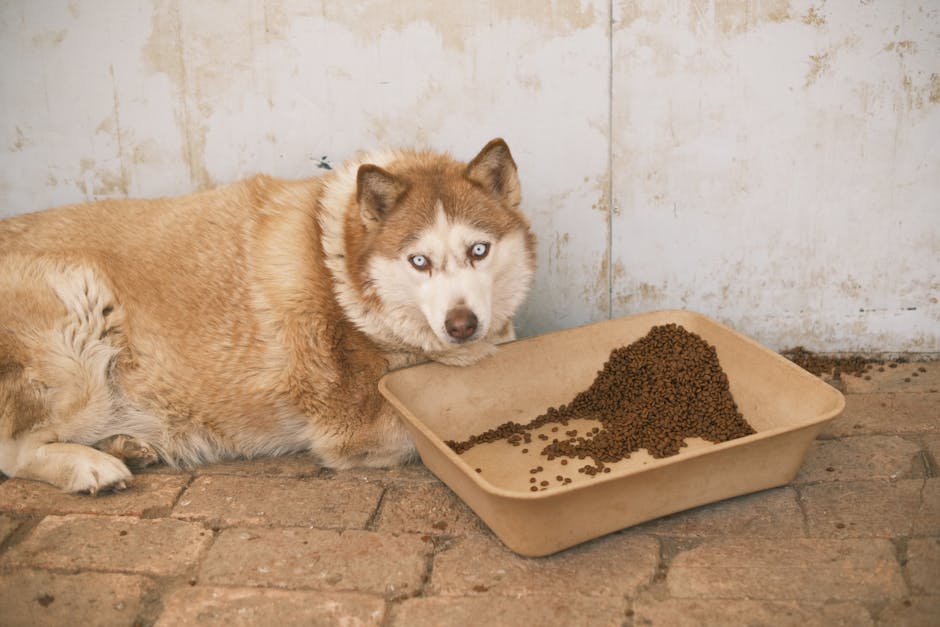
Symptoms of Stomach Issues in Huskies
Watch for these signs that your Husky may have a stomach problem:
- Vomiting (food, bile, or foam)
- Diarrhea (watery, bloody, or mucousy)
- Loss of appetite
- Lethargy or depression
- Abdominal pain or bloating
- Excessive gas or burping
- Dehydration (dry gums, sunken eyes)
- Weight loss
If symptoms persist for more than 24 hours or are severe, consult your veterinarian.
Common Causes of Digestive Upset
Husky stomach problems can stem from various factors:
- Dietary indiscretion: Eating spoiled food, garbage, or foreign objects.
- Sudden diet changes: Switching food without a transition period.
- High-fat foods: Fatty treats or table scraps can trigger pancreatitis.
- Stress and anxiety: Changes in routine, travel, or loud noises.
- Exercise too soon after eating: Can lead to bloat.
- Allergies or intolerances: To specific ingredients.
- Parasites or infections: Viral, bacterial, or parasitic.
- Underlying health issues: Kidney disease, liver problems, or cancer.
When to See a Vet
While some stomach upset resolves on its own, these situations require immediate veterinary attention:
- Suspected bloat (distended abdomen, unproductive retching)
- Blood in vomit or stool
- Persistent vomiting or diarrhea (over 24 hours)
- Signs of dehydration
- Severe lethargy or collapse
- Known ingestion of a toxic substance
- Young puppies or senior dogs with symptoms
Home Care and Remedies
Bland Diet
For mild upset, feed a bland diet of boiled chicken (no skin) and white rice in small, frequent meals. Pumpkin (canned, plain) can help firm up stool. Gradually reintroduce their regular food over 3-5 days.
Probiotics and Digestive Supplements
Probiotics support gut health and can reduce symptoms. Look for canine-specific products. Digestive enzymes may also help.
Hydration
Ensure fresh water is always available. If your Husky is dehydrated, offer ice cubes or unflavored Pedialyte in small amounts.
Fasting
A 12-hour fast (water only) can give the stomach a rest. Do not fast puppies or dogs with certain conditions without vet guidance.
Ginger or Slippery Elm
These natural remedies can soothe the stomach. Use under veterinary supervision.
Preventing Stomach Problems
- Stick to a consistent diet: Avoid frequent food changes. If you switch, do it gradually over 7-10 days.
- Use a slow feeder: Huskies tend to eat quickly, which can cause gas and bloat. A slow feeder bowl helps.
- Avoid table scraps: Especially fatty, spicy, or rich foods.
- Feed smaller, more frequent meals: This aids digestion and reduces bloat risk.
- Limit exercise before and after meals: Wait at least 1 hour after eating before vigorous activity.
- Manage stress: Provide a calm environment and consistent routine.
- Regular veterinary checkups: Include fecal exams to detect parasites.
- Keep harmful items out of reach: Garbage, plants, chemicals, and toys that could be swallowed.
Diet Recommendations for Huskies with Sensitive Stomachs
Choosing the right food can make a huge difference. Look for:
- Limited ingredient diets (LID): Fewer components reduce allergy risk.
- Novel proteins: Such as salmon, duck, or venison if your Husky is allergic to chicken or beef.
- Grain-free or easily digestible grains: Some Huskies do well on grain-free, but recent concerns link grain-free diets to heart disease. Consult your vet.
- Prebiotics and probiotics: Added to many high-quality foods.
- Avoid artificial additives: Colors, flavors, and preservatives can trigger sensitivity.
Popular brands for sensitive stomachs include Hill's Science Diet Sensitive Stomach, Royal Canin Gastrointestinal, and Blue Buffalo Basics. Always transition slowly.
Conclusion
Husky stomach problems can range from minor hiccups to emergencies, but with proper knowledge and proactive care, you can keep your Siberian’s digestive system happy. Pay attention to symptoms, maintain a consistent diet, and don’t hesitate to seek veterinary help when needed. A healthy gut means a happier, more energetic Husky ready for the next adventure.
Recommended Products for Your Husky
As an Amazon Associate, we earn from qualifying purchases. Learn more.
- Healthy Dog Treats — Check price on Amazon
- Dental Chews — Check price on Amazon
- Training Treats — Check price on Amazon
Frequently Asked Questions
How do I spot illness early?
Watch for appetite loss, lethargy, vomiting, diarrhea, limping, or eye changes. Huskies hide pain, so subtle shifts matter.
Are Huskies prone to eye problems?
Yes — cataracts and progressive retinal atrophy occur in the breed. Annual eye exams by a veterinary ophthalmologist are wise.
How do I maintain dental health?
Brush teeth 2–3 times weekly, offer dental chews, and schedule professional cleanings. Small breeds aren't the only ones with tartar.
Editor's Note
Our editors keep a poison cheat-sheet on the fridge: grapes, xylitol, onions, antifreeze. We've talked more than one panicked owner down from a grape incident. Knowing the number for poison control beats Googling it mid-crisis.
Sources & Further Reading
HuskySpot researches each topic against recognized breed and veterinary authorities. The following organizations inform our content: