Choosing the right food for your Siberian Husky puppy is one of the most important decisions you'll make as a new owner. Huskies are an active, intelligent breed with specific nutritional needs to support their rapid growth, high energy levels, and distinctive double coat. With countless brands and formulas on the market, it can be overwhelming to pick the best one. This comprehensive guide breaks down the top husky puppy food brands, what to look for in ingredients, feeding schedules, and common pitfalls to avoid.

Understanding Husky Puppy Nutritional Needs
Husky puppies require a balanced diet rich in high-quality protein, healthy fats, essential fatty acids (especially DHA for brain and eye development), calcium and phosphorus for bone growth, and controlled calorie levels to prevent too-rapid growth that can lead to joint issues. Look for foods that meet AAFCO puppy nutrient profiles. Protein should come from named animal sources (chicken, fish, lamb, etc.) and fat from animal fats or fish oils. Avoid foods with excessive fillers like corn or soy.
| Nutrient | Importance | Recommended Level |
|---|---|---|
| Protein | Muscle and tissue growth | 22-32% dry matter |
| Fat | Energy and coat health | 10-20% dry matter |
| Calcium | Bone development | 1.0-1.8% dry matter |
| DHA | Brain and eye development | 0.1%+ from fish oil |
Huskies also tend to have food sensitivities, so novel proteins or limited ingredient diets can be beneficial.
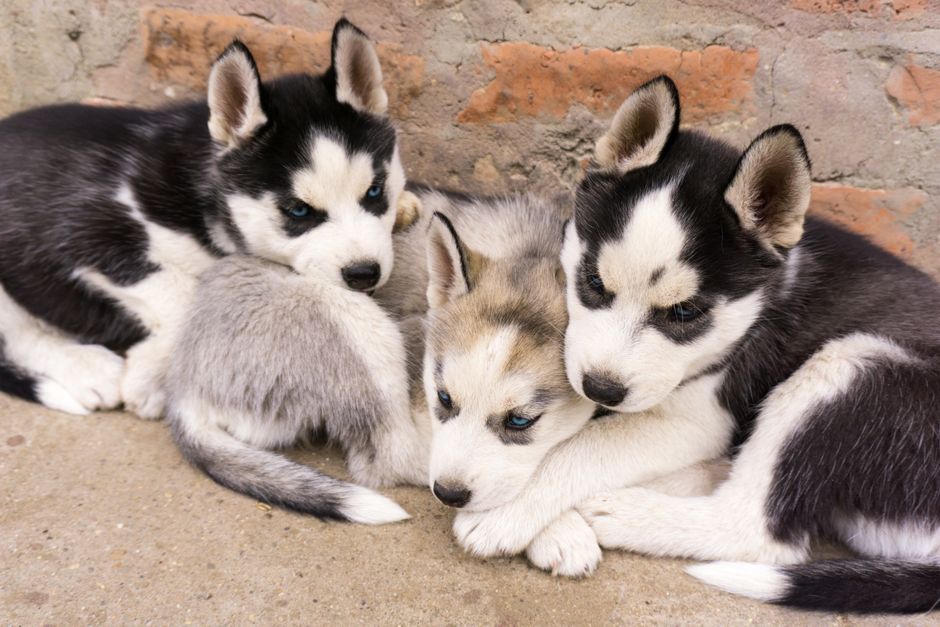
Top Commercial Husky Puppy Food Brands
After analyzing ingredient quality, AAFCO compliance, brand reputation, and owner feedback, here are the top husky puppy food brands:
1. Orijen Puppy Large
Orijen is a biologically appropriate brand with high protein (38%) and fat (20%) from fresh, regional ingredients. It's rich in DHA from fish and includes whole prey ingredients. Ideal for active husky puppies, but may be too rich for sensitive stomachs. Price: $$$.
2. Blue Buffalo Life Protection Formula Puppy
Features deboned chicken, brown rice, and DHA-rich fish oil. Contains exclusive LifeSource Bits with antioxidants. Balanced protein (28%) and fat (18%) with controlled calcium. Good for most husky puppies. Price: $$.
3. Wellness CORE Puppy
Grain-free, high-protein (34%), and moderate fat (16%) from turkey and salmon. Packed with probiotics and DHA. Suitable for huskies with grain sensitivities. However, grain-free diets have been linked to DCM in some dogs—consult your vet. Price: $$.
4. Royal Canin Siberian Husky Puppy
Breed-specific formula tailored to husky’s unique needs. Contains L-carnitine for heart health, adapted kibble shape for picking up food, and balanced sodium for kidney health. Moderate protein (28%) and fat (12%)—ideal for less active puppies. Price: $$.
5. Taste of the Wild Ancient Stream Puppy
Features salmon and ocean fish with ancient grains like quinoa and chia. Protein 30%, fat 16%. Rich in omega-3s and probiotics. Good for huskies with food allergies. Price: $–$$.

Raw and Homemade Diets for Husky Puppies
Some owners prefer raw or homemade diets. While these can be excellent, they require rigorous nutritional balancing to avoid deficiencies. Husky puppies on raw diets need correct calcium:phosphorus ratios and essential fatty acids. Consult a veterinary nutritionist. Commercial raw brands like Stella & Chewy's or Primal offer freeze-dried options that are convenient. Never feed raw without guidance, as imbalances can cause serious growth problems.
How to Choose the Best Food for Your Husky Puppy
When evaluating brands, check the ingredient list: the first ingredient should be a named animal protein. Look for AAFCO statement: "Formulated to meet AAFCO Dog Food Nutrient Profiles for Growth." Avoid artificial preservatives, colors, and by-products. Consider your puppy's activity level: working line huskies need more protein and fat than show or pet lines. Also, observe stool quality and energy levels after feeding.
- Always pick a puppy formula (not adult) until your husky reaches about 12-18 months.
- Choose large breed puppy formulas if available, as they adjust calcium and phosphorus for slower bone growth.
- Transition food gradually over 7-10 days.
Feeding Schedule and Portion Control
Husky puppies should be fed 3 times a day from 8-12 weeks, then 2 times a day after 12 weeks. Portion sizes depend on the food's calorie density and your puppy's weight and activity. Use the feeding guide on the bag as a starting point, but adjust based on body condition. Huskies are prone to obesity if overfed. Keep your puppy lean; you should be able to feel ribs without a thick fat layer.
Provide fresh water at all times. Avoid free-feeding; scheduled meals help with house training and digestion.
Transitioning to New Food
To avoid stomach upset, mix new food with old in increasing proportions over 7-10 days:
- Days 1-2: 25% new, 75% old
- Days 3-4: 50% new, 50% old
- Days 5-6: 75% new, 25% old
- Days 7+: 100% new
Watch for diarrhea or vomiting. If it occurs, slow down the transition.
Common Mistakes to Avoid
1. Feeding adult food too early: Husky puppies need higher protein, DHA, and specific calcium levels. Wait until at least 12 months for spayed/neutered or 18 months for intact.
2. Over-supplementing: Extra vitamins added to complete foods can cause toxicity.
3. Ignoring individual tolerance: Some huskies are sensitive to grains or certain proteins. Monitor and adjust.
4. Buying by price alone: The cheapest brands often contain low-quality fillers. Invest in quality to avoid future vet bills.
Conclusion
Feeding your husky puppy the right brand from the start sets the foundation for a healthy, active life. Brands like Orijen, Blue Buffalo, Wellness CORE, Royal Canin, and Taste of the Wild are excellent choices. Always prioritize high-quality protein, appropriate fat levels, and essential nutrients like DHA. Adjust portions to maintain a lean body condition, and transition foods slowly. With the right nutrition, your Siberian Husky puppy will thrive.
Recommended Products for Your Husky
As an Amazon Associate, we earn from qualifying purchases. Learn more.
- Premium Husky Food — Check price on Amazon
- Grain-Free Kibble — Check price on Amazon
- High-Protein Food — Check price on Amazon
Frequently Asked Questions
How often should Huskies eat?
Adults do well on two meals a day. Puppies under six months need three to four smaller feedings to avoid blood-sugar dips.
Can Huskies eat raw food?
A balanced raw diet is possible but risky without proper formulation — bone, bacteria, and nutrient imbalance are real dangers. Consult a vet nutritionist first.
What human foods are toxic to Huskies?
Never feed chocolate, grapes, raisins, onions, garlic, xylitol, or cooked bones. These can cause kidney failure, anemia, or gut perforation.
Editor's Note
Our editors have handled more food-transition disasters than we'd like. The 7-to-10-day rule exists for a reason—husky stomachs are sensitive, and a one-day switch means three days of cleanup. We now print the schedule on the food bag.
Sources & Further Reading
HuskySpot researches each topic against recognized breed and veterinary authorities. The following organizations inform our content: