If your Siberian Husky is constantly scratching, licking their paws, or suffering from recurring ear infections, allergies might be the culprit. And managing these irritating symptoms, diet plays a pivotal role. This comprehensive husky allergy diet guide will help you understand how to adjust your furry friend's nutrition to combat allergies, identify triggers, and choose the best foods for a happier, healthier life.
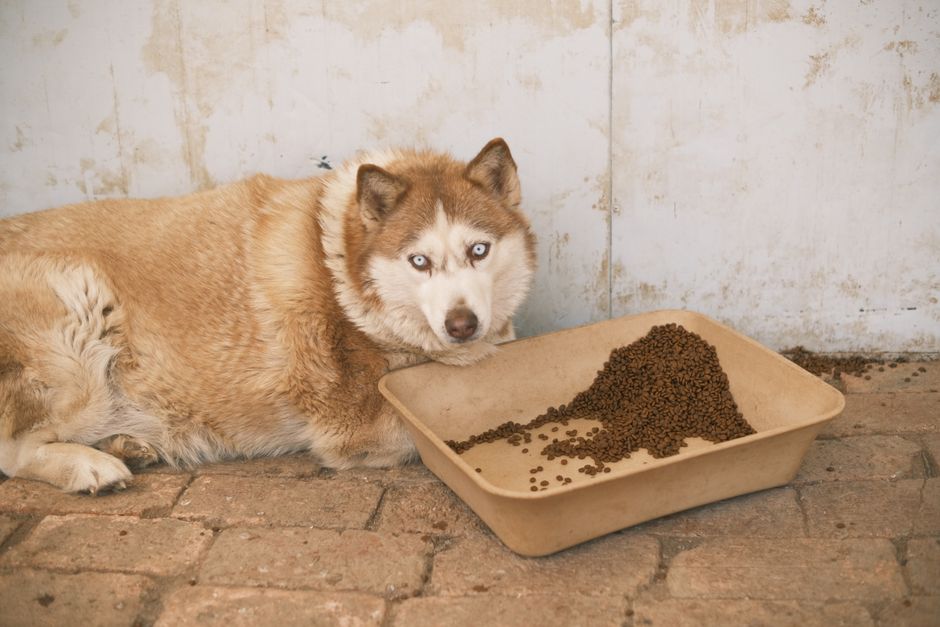
Understanding Husky Allergies: Common Triggers
Allergies in Huskies can stem from various sources: environmental allergens like pollen and dust mites, flea bites, and food. Food allergies, specifically, are an adverse immune response to certain ingredients. While any food can be a potential allergen, the most common culprits in dogs are proteins. Beef, dairy, chicken, lamb, and wheat are notorious for triggering reactions. Huskies, with their sensitive skin and robust genetic heritage, are not immune to these issues. Identifying the specific trigger is crucial for effective management.
Signs Your Husky Has a Food Allergy
Food allergies often manifest as skin conditions that mimic environmental allergies. Watch for these telltale signs:
- Persistent itching: Especially around the face, ears, paws, belly, and rear.
- Red, inflamed skin: You may notice hot spots or rashes.
- Chronic ear infections: Repeated ear inflammation or brown, waxy discharge.
- Gastrointestinal upset: Vomiting, diarrhea, or excessive gas.
- Excessive licking or chewing: Often targeting the front paws.
- Poor coat condition: Dull, dry, or excessive shedding.
If your Husky exhibits several of these symptoms, especially after eating, a food allergy is a strong possibility. It's important for distinguish between food allergies and environmental allergies; your vet can help with diagnosis.

The Role of Diet in Managing Husky Allergies
Diet is your primary tool food allergies. The goal is to eliminate the offending ingredient(s) and replace them with a diet that doesn't trigger an immune response. A well-chosen hypoallergenic diet can reduce inflammation, soothe irritated skin, and improve overall health. For environmental allergies, a diet rich in omega-3 fatty acids and antioxidants can strengthen the skin barrier and reduce allergic reactions. Thus, whether your Husky's allergies are food-related or environmental, nutrition is a powerful ally.
Best Foods for Huskies with Allergies
When selecting a food for an allergy-prone Husky, look for options with a single, novel protein source (like salmon, duck, venison, or kangaroo) and a single carbohydrate (like sweet potato, pea, or tapioca). This minimizes the chance of encountering common allergens. Here's a quick comparison of recommended protein sources:
| Protein Source | Novelty for Huskies | Benefits |
|---|---|---|
| Salmon | Moderate | Rich in omega-3s, supports skin and coat health |
| Duck | High | High-quality protein, less likely to trigger allergies |
| Venison | High | Lean, easily digestible, excellent for sensitive dogs |
| Kangaroo | Very High | Novel protein, low fat, highly digestible |
| Whitefish | Moderate | Hypoallergenic, gentle on the stomach |
When shopping, read labels carefully. Avoid foods with artificial additives, preservatives, and common fillers like corn, soy, and wheat. Opt for foods labeled limited ingredient or hypoallergenic. Grain-free formulas are sometimes beneficial, but not always necessary; the key is to avoid specific allergens your Husky reacts to.
Building an Elimination Diet for Your Husky
The gold standard for diagnosing a food allergy is an elimination diet. Here's a step-by-step approach:
- Choose a novel protein and carbohydrate source: Pick a combination your Husky has never eaten before. Common choices include venison and sweet potato, or duck and green pea.
- Feed this diet exclusively for 8–12 weeks: No treats, no table scraps, no flavored medications. Every single bite must be from the chosen diet, and water should be plain.
- Monitor symptoms: Keep a journal of scratching, ear health, and stool quality. Improvement suggests a food allergy. If symptoms remain unchanged, try a different protein.
- Reintroduce old foods one at a time: After the elimination period, gradually add back a suspect ingredient (e.g., chicken) and watch for reactions within a week. If symptoms return, you've identified a trigger.
- Design a long-term diet: Once you know the culprit, feed a diet that avoids it permanently. This might be a commercial limited-ingredient food or a home-cooked meal plan (with veterinary guidance).
An elimination diet is a commitment, but it's the most reliable way to pinpoint allergies and craft a sustainable husky allergy diet.
Homemade Allergy-Friendly Husky Recipes
Some owners prefer preparing homemade meals to have complete control over ingredients. Here's a simple, balanced recipe that works well for many allergy-prone Huskies:
Venison and Sweet Potato Stew
- 1 lb lean ground venison
- 2 cups peeled, diced sweet potatoes
- 1 cup chopped green beans
- 1 tablespoon coconut oil
- 4 cups water
Brown the venison in a large pot, then add the sweet potatoes, green beans, coconut oil, and water. Bring to a boil, then simmer for 20–25 minutes until vegetables are tender. Let it cool completely before serving. This recipe provides a single novel protein and simple carbohydrates, ideal for sensitive Huskies. Always consult your vet before switching to homemade diets to ensure nutritional completeness.
Supplements to Support Allergy Relief
While diet is key, certain supplements can enhance allergy relief:
- Omega-3 fatty acids: Found in fish oil or flaxseed oil, these reduce inflammation and improve skin barrier function.
- Probiotics: A healthy gut microbiome supports immune regulation and may reduce allergic responses.
- Quercetin: A natural antioxidant with antihistamine effects (ask your vet about dosage).
- Vitamin E: An antioxidant that protects skin cells from damage.
Add supplements only after consulting with your veterinarian, as excessive amounts can cause issues.
When to See a Vet
If your Husky's allergy symptoms are severe, persistent, or not improving with dietary changes, professional help is essential. Your vet can perform skin tests or blood tests to identify allergens, rule out other conditions like parasites or infections, and prescribe medications like antihistamines, steroids, or immunotherapy. Never attempt a homemade elimination diet without veterinary supervision, especially for puppies or seniors, as nutritional imbalances can occur.
Recommended Products for Your Husky
As an Amazon Associate, we earn from qualifying purchases. Learn more.
- Premium Husky Food — Check price on Amazon
- Grain-Free Kibble — Check price on Amazon
- High-Protein Food — Check price on Amazon
Final Thoughts
Managing your Husky's allergies through diet is a journey of observation and patience. Start with the husky allergy diet guide principles we've outlined—choose high-quality, limited-ingredient foods, consider an elimination diet, and don't hesitate to seek veterinary advice. With the right nutrition, you can dramatically reduce your Siberian Husky's discomfort and help them live a scratch-free, vibrant life.