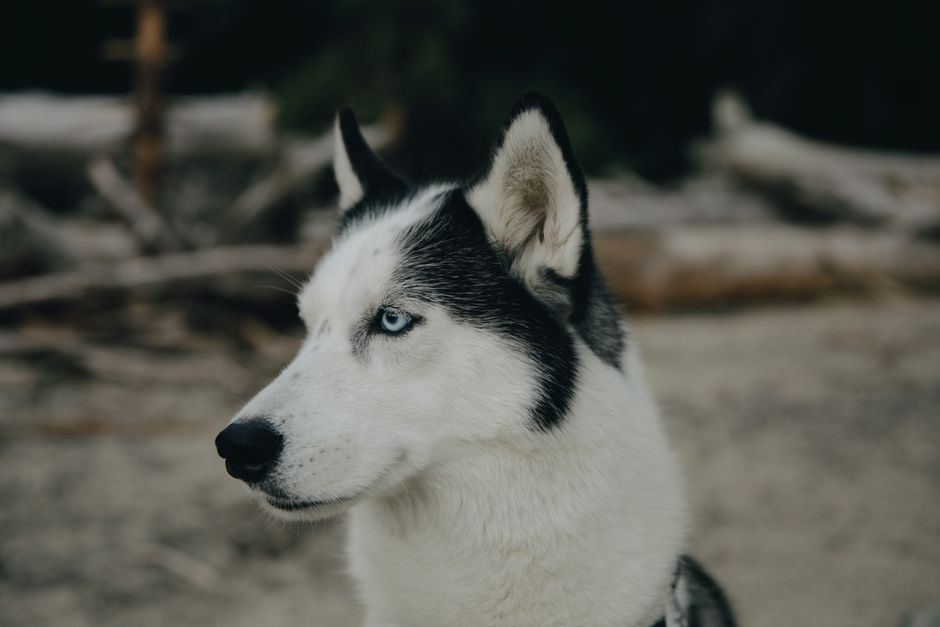
Understanding Why Your Husky Is a Picky Eater
Siberian Huskies are known for their independent and sometimes stubborn nature, which can extend to their eating habits. A husky picky eater is a common concern among owners. Unlike many dog breeds that eat whatever is placed in front of them, Huskies often show selective eating behaviors. This can be due to their ancestral history as sled dogs who learned to conserve energy and eat only when necessary. However, pickiness can also signal health issues or dissatisfaction with their food. Understanding the root cause is the first step to solving the problem.
Breed-Specific Traits
Huskies are not typically food-motivated like Labradors. In the wild, they would eat sporadically. This instinct can make them appear finicky. They may also be sensitive to food textures and temperatures.
Environmental Factors
Changes in routine, new surroundings, or stress (like moving or new pets) can temporarily reduce appetite. Also, Huskies are intelligent and may refuse food if they associate mealtime with negative experiences.
Palatability and Food Quality
Low-quality kibble with artificial additives can be unappealing. Huskies often prefer high-protein, meat-based diets. If your husky suddenly rejects food that was previously accepted, it could be due to a change in the formula or batch.
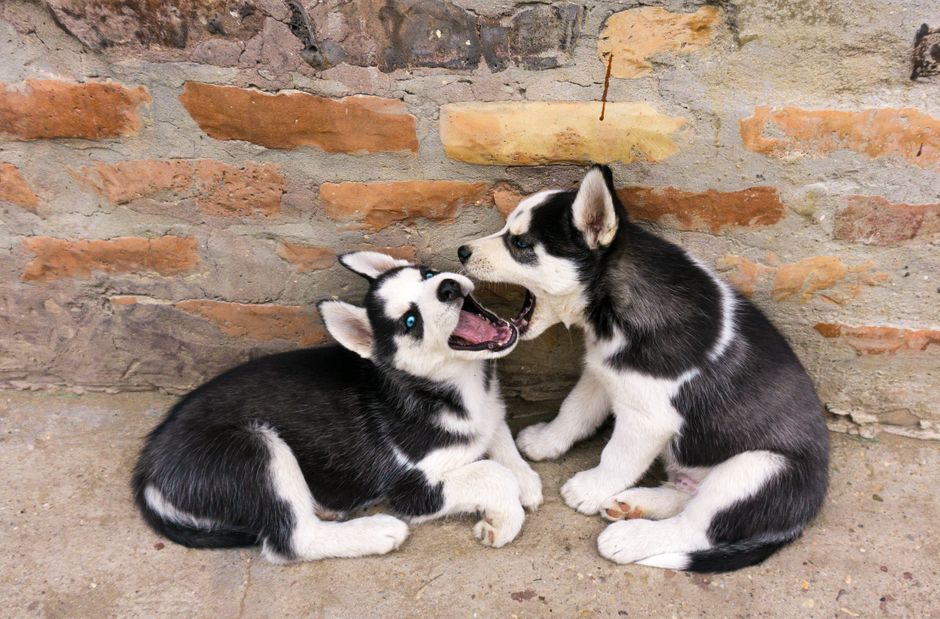
How to Rule Out Health Problems
Before implementing behavioral solutions, ensure your husky’s pickiness isn’t caused by an underlying medical condition. A sudden loss of appetite combined with other symptoms requires veterinary attention.
Warning Signs
- Weight loss or poor coat condition
- Vomiting or diarrhea
- Lethargy or withdrawal
- Dental issues like bad breath or drooling
If your husky is otherwise active and alert, pickiness is likely behavioral. But a vet check can rule out parasites, gastrointestinal issues, or food allergies.
Tips to Encourage Your Husky to Eat
Once health issues are ruled out, try these proven strategies to turn a husky picky eater into a healthy eater.
Establish a Consistent Routine
Dogs thrive on predictability. Offer meals at the same times every day. Put the bowl down for 15 minutes. If your husky doesn’t eat, remove the bowl until the next scheduled meal. No free-feeding. This creates structure and encourages eating when food is available.
Upgrade the Food
Switch to a high-quality, high-meat content kibble or raw diet. Look for ingredients like deboned chicken, salmon, or beef. Avoid fillers like corn, wheat, and soy. Consider rotating proteins to prevent boredom.
Add Enticing Toppers
Enhance the flavor and aroma of dry food with safe toppers:
- Warm water or low-sodium chicken broth (no onions or garlic)
- Plain canned pumpkin (not pie filling)
- A spoonful of plain yogurt or cottage cheese
- Freeze-dried raw meat crumbles
Warm the Food
Warming wet or moistened dry food releases aromas that stimulate appetite. Never microwave in plastic bowls; warm in a stainless steel bowl or add warm water.
Hand Feeding
For extremely picky huskies, hand feeding can create a positive association. Feed a few kibbles at a time during training sessions or while petting.
Limit Treats and Table Scraps
Treats can fill your husky up before meals. Reduce treats and never give human food immediately before or after feeding times. Ensure treats are healthy (e.g., blueberries, carrot sticks).
Creating a Feeding Schedule That Works
Most adult Huskies do well on two meals per day – morning and evening. Puppies need three to four smaller meals. A consistent schedule helps regulate digestion and appetite. Avoid leaving food out all day; this can encourage grazing and pickiness.
Sample Schedule
| Time | Meal |
|---|---|
| 7:00 AM | Breakfast |
| 5:00 PM | Dinner |
Stick to this routine even on weekends. Your husky will learn when to expect food and be more likely to eat at those times.
Homemade Meals and Additives
Some husky owners opt for homemade meals to combat pickiness. If you choose this route, consult a veterinary nutritionist to ensure balanced nutrition. Safe additions include:
- Cooked lean meats (chicken, turkey, beef) without bones or skin
- Steamed vegetables (carrots, green beans, broccoli)
- Cooked rice or oatmeal (plain)
- Fish oil or coconut oil for healthy fats
Avoid toxic foods like grapes, raisins, onions, garlic, chocolate, and xylitol. Bone broth is a great hydrating topper that also supports joints.
When Pickiness Signals Something Serious
While most pickiness is manageable, persistent refusal to eat for more than 24-48 hours is a red flag. Also monitor for signs of bloat (distended abdomen, retching) – a life-threatening emergency. If your husky is also lethargic, vomiting, or has changes in stool, seek veterinary care immediately.
Frequently Asked Questions
Should I worry if my husky skips a meal?
One skipped meal is usually fine, especially if they are otherwise playful. However, if it becomes a pattern, investigate.
Can I change my husky’s food frequently?
Sudden changes can cause digestive upset. Transition gradually over 7-10 days by mixing old and new food. However, varying proteins within the same brand can help prevent boredom.
Is it okay to add supplements for picky eaters?
Use supplements only if recommended by your vet. Too many additives can unbalance the diet.
Remember, patience is key with a husky picky eater. They are intelligent and may test your rules. Stay consistent, offer love and encouragement, and consult professionals when needed. A healthy, happy husky will eventually develop good eating habits.
Recommended Products for Your Husky
As an Amazon Associate, we earn from qualifying purchases. Learn more.
- Husky Care Essentials — Check price on Amazon
- Best-Selling Dog Gear — Check price on Amazon
- Newest Husky Products — Check price on Amazon
Editor's Note
In our experience the 'husky eats nothing' panic is overblown. A healthy husky will skip a meal and be fine. The ones we worried about were the ones who stopped drinking—that's the real red flag owners miss.
Sources & Further Reading
HuskySpot researches each topic against recognized breed and veterinary authorities. The following organizations inform our content: