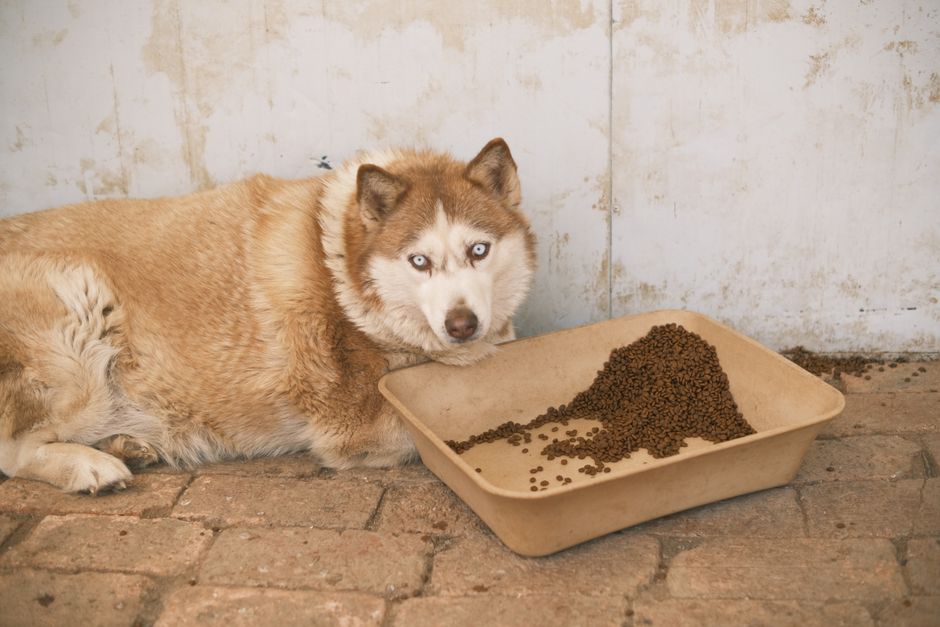
If you own a Siberian Husky, you may have noticed that your dog seems to be perpetually hungry. This breed is known for its high energy levels and fast metabolism, but when is it normal, and when should you be concerned? In this comprehensive guide, we will explore the reasons behind a Husky's constant hunger, provide practical tips for managing their diet, and help you determine if there is an underlying health issue.
Understanding Your Husky's Appetite
Siberian Huskies were originally bred to pull sleds over long distances in harsh Arctic conditions. This heritage means they have a high metabolic rate and require a diet rich in proteins and fats to sustain their energy. However, because they are also efficient at conserving energy, they may not always show obvious signs of fullness. Additionally, Huskies are intelligent and often manipulative food, begging for treats even when they have been adequately fed.
Why Is My Husky Always Hungry?
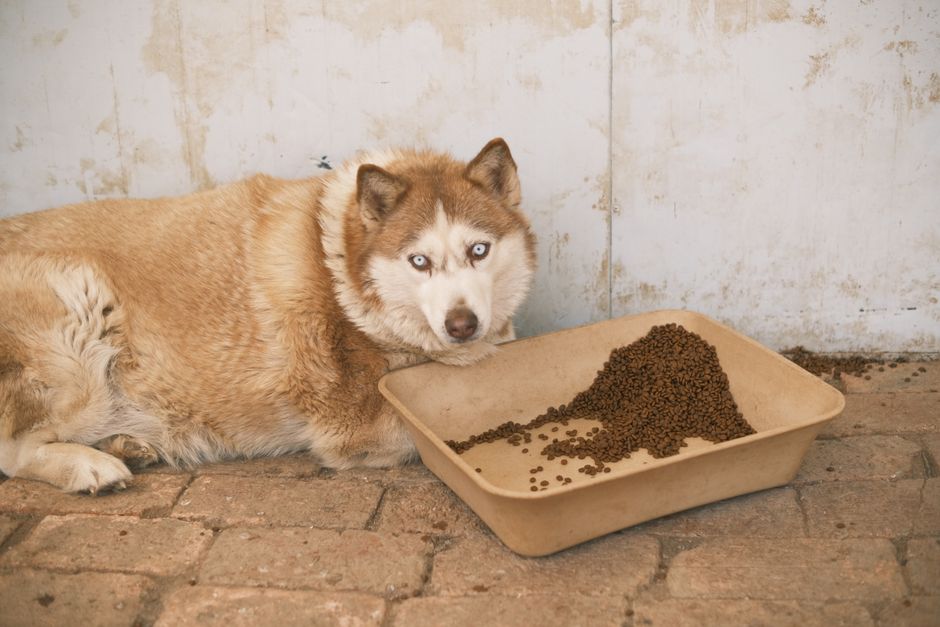
There are several reasons why your Husky may seem constantly hungry. Understanding these can help you address the behavior appropriately.
1. High Metabolism and Energy Needs
Huskies are active dogs that require a significant number of calories to maintain their energy levels. If your Husky is not getting enough exercise, they may still feel hungry due to their natural drive. Ensure your dog gets at least 60 minutes of vigorous activity daily.
2. Poor Quality Diet
If your Husky's food lacks essential nutrients, they may eat more in an attempt to meet their dietary requirements. Look for high-quality dog food with real meat as the first ingredient, and avoid fillers like corn and soy. A diet rich in protein (20-25%) and fat (12-15%) is ideal.
3. Boredom or Stress
Boredom can lead to excessive eating. Provide mental stimulation through puzzle toys, training sessions, and interactive play. Stress from changes in routine or environment can also trigger hunger.
4. Medical Conditions
If your Husky's hunger seems extreme and is accompanied by weight loss, increased thirst, or other symptoms, consult your veterinarian. Conditions like diabetes, Cushing's disease, or hyperthyroidism can cause excessive hunger.
How Much Should You Feed a Husky?
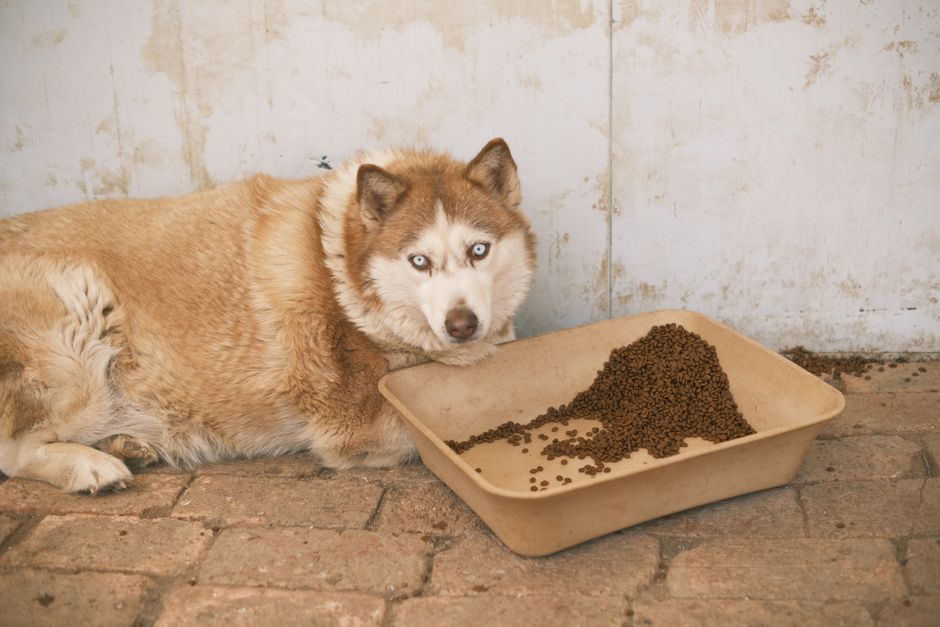
Feeding amounts vary based on age, weight, activity level, and the type of food. Use this general guideline (based on high-quality dry food):
| Age/Weight | Daily Amount (cups) |
|---|---|
| Puppy (2-6 months) | 1.5 - 2.5 |
| Adult (25-35 lbs) | 1.5 - 2 |
| Adult (35-50 lbs) | 2 - 3 |
| Active/Working | 3 - 4 |
Divide this into two meals per day to maintain stable blood sugar levels and prevent bloat. Adjust portions based on your Husky's body condition (you should be able to feel ribs without pressing hard).
Choosing the Right Food for Your Husky
Select a food that meets AAFCO standards and is appropriate for your dog's life stage. Look for ingredients like chicken, lamb, or fish as the primary protein source. Avoid foods with artificial preservatives, colors, or by-products. Consider adding healthy supplements like omega-3 fatty acids for coat health, and glucosamine for joint support as they age.
Tips to Manage a Husky's Constant Hunger
- Stick to a Feeding Schedule: Feed at the same times each day to create a routine. Avoid free-feeding.
- Use Low-Calorie Treats: Offer vegetables like carrots, green beans, or cucumber slices as treats instead of high-calorie options.
- Increase Exercise: A tired Husky is a less food-obsessed one. Incorporate running, hiking, or dog sports.
- Provide Mental Stimulation: Use food puzzles, hide-and-seek games, and training to keep their mind occupied.
- Watch for Begging: Do not give in to begging. It reinforces the behavior. Instead, redirect with a toy or command.
When to Worry: Health Issues Related to Excessive Hunger
While some hunger is normal, consult your vet if you notice any of these signs: sudden increase in appetite without weight gain, excessive thirst (polydipsia), increased urination, vomiting, diarrhea, or lethargy. These could indicate diabetes, pancreatitis, intestinal parasites, or other disorders. Regular check-ups are important for rule out medical causes.
Conclusion
A Husky that always seems hungry is often a combination of their natural metabolism and environmental factors. By ensuring a balanced diet, regular exercise, and mental stimulation, you can help manage their appetite. Always monitor their health and consult with a veterinarian if you have concerns. Remember, a well-fed and active Husky is a happy and healthy companion.
Recommended Products for Your Husky
As an Amazon Associate, we earn from qualifying purchases. Learn more.
- Husky Care Essentials — Check price on Amazon
- Best-Selling Dog Gear — Check price on Amazon
- Newest Husky Products — Check price on Amazon
Frequently Asked Questions
How much should I feed my Husky?
Most adults eat 1.5–2 cups of quality kibble split into two meals. Adjust for age, weight, and activity — working dogs need more, couch potatoes less.
What is the best food for a Husky?
Look for a meat-first formula with 25–30% protein and healthy fats. Many owners use salmon- or lamb-based foods for coat and skin health.
How often should Huskies eat?
Adults do well on two meals a day. Puppies under six months need three to four smaller feedings to avoid blood-sugar dips.
Editor's Note
We've watched countless husky owners treat feeding like a guessing game, and the pattern is always the same: free-feeding leads to a dog who begs constantly and crashes midday. Two measured meals at fixed times fixed the erratic energy we kept hearing about.
Sources & Further Reading
HuskySpot researches each topic against recognized breed and veterinary authorities. The following organizations inform our content: