Winter brings unique challenges for Siberian Huskies. As a breed built for cold climates, their nutritional needs shift during the colder months. Adjusting your husky's diet for winter is important for maintain energy levels, a healthy coat, and overall well-being. This comprehensive guide covers everything you need to know about feeding your husky in winter, from caloric adjustments to essential nutrients and meal planning.
Understanding Your Husky's Winter Nutritional Needs
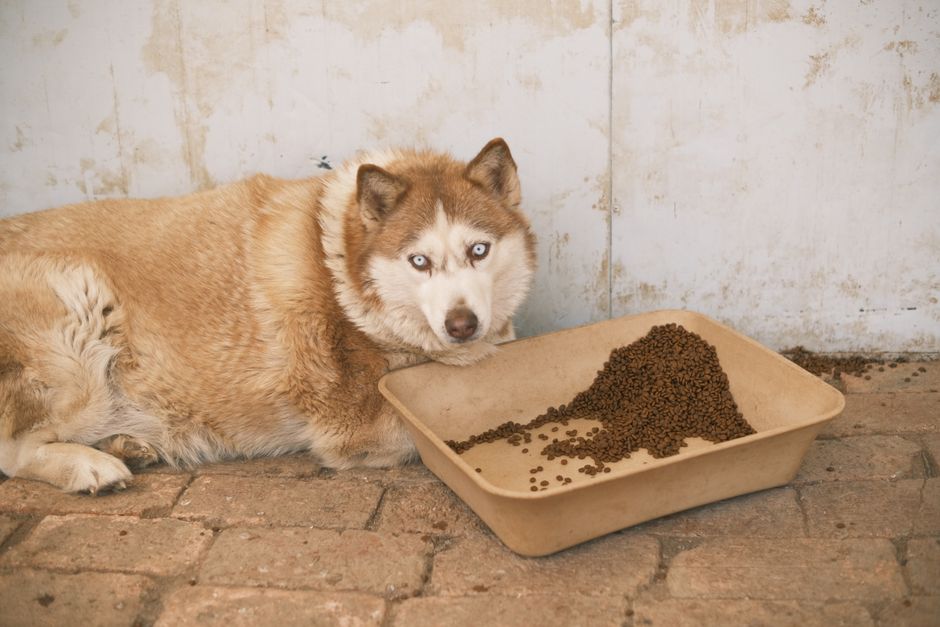
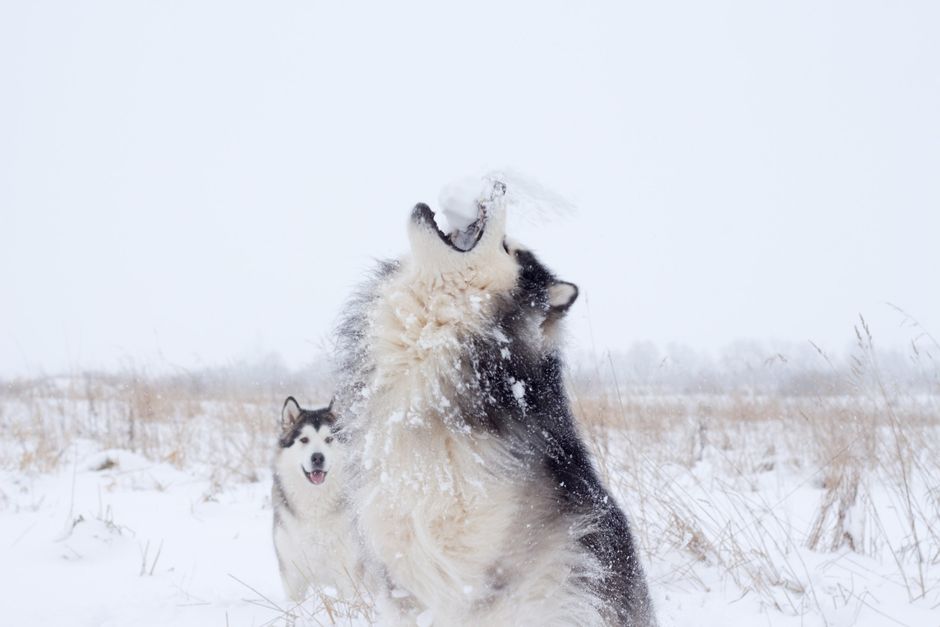
Huskies have a double coat that insulates them against cold, but they still require extra energy to stay warm. During winter, their metabolism may increase to generate body heat. However, because they are naturally efficient with energy, overfeeding can lead to weight gain. The key is to balance increased caloric needs with activity levels. Most huskies will need 10-20% more calories during winter if they spend time outdoors or engage in winter activities like sledding or hiking. Conversely, if your husky is less active due to cold weather, maintain their normal intake to prevent obesity.
Key Nutrients for Cold Weather
Winter diets should emphasize certain nutrients to support coat health, joint function, and immune system:
- Healthy Fats: Omega-3 and omega-6 fatty acids (from fish oil, flaxseed, chicken fat) help maintain skin and coat moisture, reducing dryness from heated indoor air. They also provide dense energy.
- Protein: High-quality animal protein (chicken, beef, fish) supports muscle maintenance and provides amino acids for coat growth. Aim for 20-30% protein on a dry matter basis.
- Complex Carbohydrates: Sweet potatoes, brown rice, and oats provide sustained energy and fiber for digestion.
- Vitamins and Minerals: Vitamin E and zinc support skin health; glucosamine and chondroitin aid joint flexibility, which is crucial in cold weather.

Adjusting Caloric Intake
Determine your husky's ideal calorie intake based on their weight, age, and activity level. A typical active husky weighing 20-27 kg (44-60 lbs) needs 1,200-1,600 calories per day in winter if active. For less active dogs, reduce by 10%. Monitor body condition: you should be able to feel ribs without excessive fat cover. If your husky gains weight, cut back treats and consider a lower-calorie food. Use a high-quality dog food formulated for active breeds or consider a raw or homemade diet under veterinary guidance.
Best Foods for Winter
Choose foods that support your husky's winter needs. Consider these options:
| Food Type | Benefits | Examples |
|---|---|---|
| High-quality kibble | Balanced nutrition, easy to store | Orijen, Acana, Taste of the Wild (high protein, grain-free options) |
| Raw or freeze-dried | Preserves natural nutrients, high moisture | Stella & Chewy's, Primal, Northwest Naturals |
| Home-cooked | Customizable, fresh ingredients | Lean meats, fish, sweet potatoes, spinach, blueberries |
| Wet food or toppers | Increase palatability and moisture | Merrick, Wellness CORE, or plain canned pumpkin |
Add warm water or low-sodium broth to kibble to make it more appealing and add hydration.
Supplements for Joint and Coat Health
Winter can worsen joint stiffness in older huskies. Consider supplements:
- Fish oil: Rich in omega-3s, reduces inflammation and supports coat shine. Dose: 1000 mg per 10 kg body weight daily.
- Glucosamine/chondroitin: For joint health, especially if your husky is active. Follow product guidelines.
- Probiotics: Support digestion, which can be affected by dietary changes.
- Coconut oil: Medium-chain triglycerides provide quick energy and may improve coat condition. Start with 1 tsp per 10 kg.
Always consult your vet before adding supplements.
Hydration in Winter
Dogs can become dehydrated in winter due to dry indoor air and less awareness of thirst. Ensure fresh, unfrozen water is available at all times. Warm water slightly can encourage drinking. Add moisture to food with wet food, broth, or soaked kibble. Monitor for signs of dehydration: dry gums, lethargy, skin tenting.
Feeding Schedule and Portions
Stick to a consistent schedule. Most adult huskies do well with two meals per day. Feed once in the morning and once in the evening, spacing meals at least 8-12 hours apart to reduce bloat risk. Divide the daily calorie intake into two portions. For puppies (under 1 year), feed three times daily until 6 months, then twice daily.
Foods to Avoid
Never feed your husky these winter hazards:
- Chocolate, xylitol, grapes, raisins, onions, garlic – toxic.
- Fatty table scraps – can cause pancreatitis.
- Antifreeze or ice melt – highly toxic; clean paws after walks.
- Cold or frozen food directly from fridge – can upset stomach. Let it reach room temperature.
Sample Winter Meal Plan
Here's an example for a 25 kg active husky (approx. 1400 calories/day):
- Breakfast: 2 cups high-protein kibble (500 cal) + 1 tbsp fish oil (40 cal) + 1/4 cup warm water.
- Lunch (optional): Small raw meaty bone or 1/2 cup wet food (150 cal).
- Dinner: 1.5 cups kibble (375 cal) + 1/2 cup cooked sweet potato (100 cal) + 1/4 cup canned pumpkin (30 cal) + 1 tbsp coconut oil (120 cal).
- Treats: 2-3 small freeze-dried liver treats (30 cal).
Adjust portions based on activity and body condition. Always provide plenty of water.
Conclusion
Feeding your Siberian Husky for winter success involves understanding their increased energy demands, choosing nutrient-dense foods, and monitoring hydration and weight. By tailoring their diet with healthy fats, quality protein, and appropriate supplements, you can help your husky thrive in the cold. Remember to consult your veterinarian before making major dietary changes. With the right nutrition, your husky will enjoy winter adventures while staying healthy and happy.
Recommended Products for Your Husky
As an Amazon Associate, we earn from qualifying purchases. Learn more.
- Husky Care Essentials — Check price on Amazon
- Best-Selling Dog Gear — Check price on Amazon
- Newest Husky Products — Check price on Amazon
Frequently Asked Questions
How much should I feed my Husky?
Most adults eat 1.5–2 cups of quality kibble split into two meals. Adjust for age, weight, and activity — working dogs need more, couch potatoes less.
What is the best food for a Husky?
Look for a meat-first formula with 25–30% protein and healthy fats. Many owners use salmon- or lamb-based foods for coat and skin health.
How often should Huskies eat?
Adults do well on two meals a day. Puppies under six months need three to four smaller feedings to avoid blood-sugar dips.
Editor's Note
We've watched countless husky owners treat feeding like a guessing game, and the pattern is always the same: free-feeding leads to a dog who begs constantly and crashes midday. Two measured meals at fixed times fixed the erratic energy we kept hearing about.
Sources & Further Reading
HuskySpot researches each topic against recognized breed and veterinary authorities. The following organizations inform our content: