Proper nutrition is the cornerstone of your Siberian Husky's health and vitality. One of the most critical aspects is understanding how many calories your Husky needs daily. Feeding the right amount prevents obesity, supports energy levels, and ensures a long, healthy life. This comprehensive guide breaks down everything you need to know about calorie requirements for Huskies, from puppyhood to senior years, including practical tips and formulas.
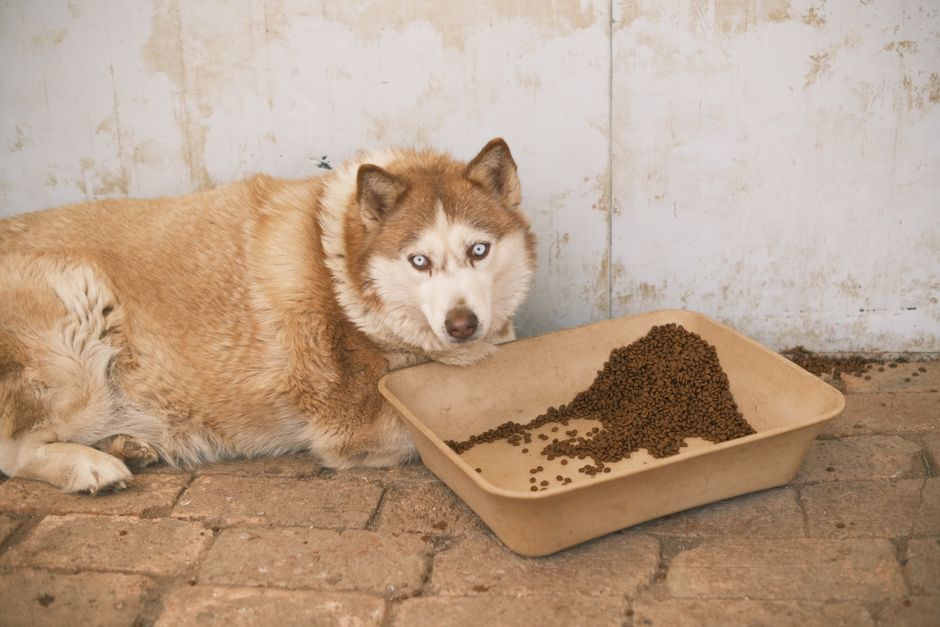
Factors Affecting Your Husky's Calorie Needs
Every Husky is unique, and several factors influence their daily calorie requirements. The most significant include:
- Age: Puppies and young adults have higher energy demands than seniors.
- Weight and Body Condition: A lean, muscular Husky needs more calories per pound than an overweight one.
- Activity Level: Working dogs, agility participants, or active companions require significantly more calories than couch potatoes.
- Metabolism: Some Huskies are naturally more efficient at using energy; others burn through calories quickly.
- Spay/Neuter Status: Altered dogs often have a slower metabolism and need about 20-30% fewer calories.
- Climate: Huskies in cold environments may need extra calories to maintain body heat.
- Reproductive Status: Pregnant or nursing females have increased caloric demands.
General Calorie Guidelines for Huskies
While individual needs vary, the table below provides a starting point for daily calorie ranges based on age, weight, and activity. Use these as a baseline and adjust based on your dog's body condition.
| Life Stage | Weight (lbs) | Sedentary (cal/day) | Active (cal/day) | Very Active (cal/day) |
|---|---|---|---|---|
| Puppy (2-6 months) | 10-20 | 500-700 | 700-900 | 900-1100 |
| Puppy (6-12 months) | 20-40 | 700-1000 | 1000-1300 | 1300-1600 |
| Adult (1-7 years) | 35-60 | 800-1100 | 1100-1500 | 1500-2000 |
| Senior (8+ years) | 35-60 | 700-1000 | 900-1200 | 1200-1500 |
Note: These are estimates. Always monitor your Husky's weight and adjust portions accordingly.
How to Calculate Your Husky's Daily Calorie Requirement
For a more precise number, use the Resting Energy Requirement (RER) and Maintenance Energy Requirement (MER) formulas commonly used by veterinarians.
Step 1: Calculate RER
RER = 70 x (body weight in kg)^0.75. For a 50 lb (22.7 kg) Husky: 70 x (22.7^0.75) ≈ 70 x 10.4 = 728 calories/day. This is what they'd need at complete rest.
Step 2: Apply Activity Multiplier
Multiply RER by a factor based on lifestyle:
- Sedentary (mostly indoors): 1.2 to 1.4
- Moderately active (daily walks, play): 1.6 to 1.8
- Very active (working, agility, hiking): 2.0 to 2.4
- Puppy (growth): 2.0 to 3.0 (depending on age)
Example: Moderately active 50 lb Husky → 728 x 1.7 ≈ 1238 calories/day.
Step 3: Adjust for Spay/Neuter
If neutered, reduce MER by 20-30%. So 1238 x 0.75 ≈ 929 calories/day.
Tip: Re-evaluate every 2-4 weeks by weighing your Husky and assessing body condition score (BCS).
Feeding Your Husky Based on Calorie Needs
Once you know the daily calorie target, choose a high-quality dog food that lists its caloric content (usually in kcal/cup or kcal/kg). Follow these steps:
- Read the label: Find the calorie density. For example, a food with 400 kcal/cup means a Husky needing 1200 kcal/day would eat 3 cups.
- Measure accurately: Use a kitchen scale or standard measuring cup—don't eyeball.
- Divide into meals: Two meals per day is ideal for adults; puppies need 3-4.
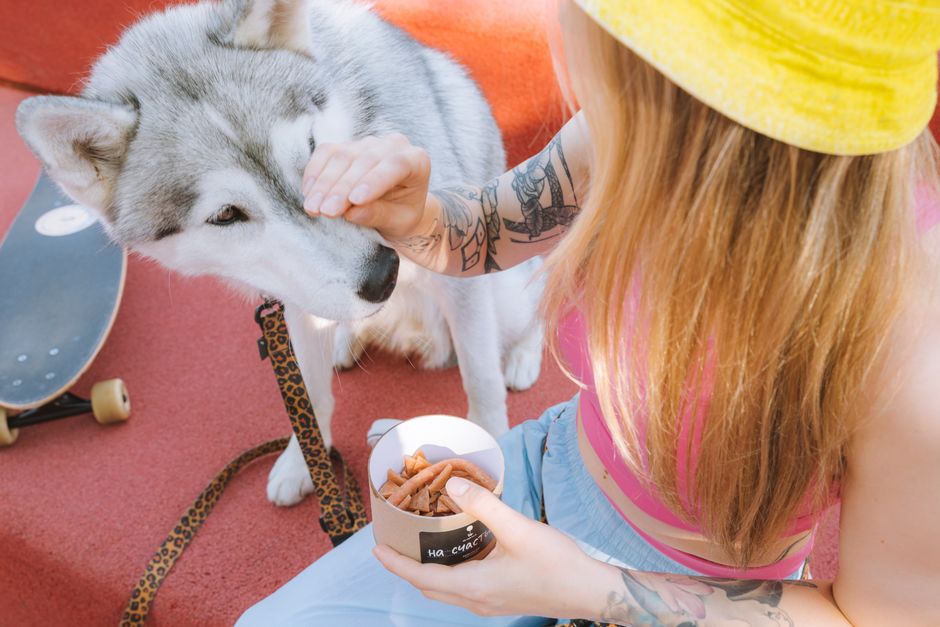
- Adjust for treats: Treats should not exceed 10% of daily calories. Subtract treat calories from the food portion.
- Monitor body condition: You should be able to feel ribs without excess fat, and see a visible waist when viewed from above.
Common Mistakes When Feeding Calories
Avoid these pitfalls to keep your Husky healthy:
- Overfeeding: Huskies can be food-motivated, but overfeeding leads to obesity, joint issues, and shorter lifespan.
- Underfeeding active dogs: Intense exercise without enough calories can cause muscle loss and lethargy.
- Ignoring treat calories: A few high-calorie treats daily can add up to hundreds of extra calories.
- Using generic feeding guides: Every food is different; always use the specific calorie content of your brand.
- Not adjusting for season: In winter, some Huskies may need 10-20% more calories to stay warm.
Signs Your Husky Is Getting the Right Amount of Calories
Look for these indicators:
- Ideal body condition: Ribs palpable with slight fat cover, visible waist, abdominal tuck.
- Steady weight: Weight remains consistent over weeks (for adults).
- Good energy levels: Your Husky is alert, playful, but not hyperactive or lethargic.
- Healthy coat: A shiny, thick coat without excessive shedding (beyond seasonal).
- Normal stool: Firm, well-formed stools indicate proper digestion and portion size.
If you notice weight gain, increase exercise or reduce calories slightly. For weight loss, consult your vet before restricting calories.
Special Considerations
Puppies
Growing Huskies need more calories per pound than adults. Feed a high-quality puppy food with DHA for brain development. Follow the feeding guide on the bag and adjust based on growth rate. Puppies should have a slight belly after meals but not be overweight.
Senior Huskies
After age 7, metabolism slows. Switch to a senior formula with fewer calories and higher fiber. Reduce portions by 20-30% if activity declines. Keep them lean to reduce arthritis risk.
Working or Athletic Huskies
If your Husky runs, bikes, or does agility, they may need up to 2-3 times the RER. Feed a high-protein, high-fat diet. Consider adding supplements like fish oil for joint health. Monitor for weight loss during intense training.
Pregnant or Nursing Females
During last trimester and lactation, calorie needs can double. Feed a puppy formula or high-calorie diet. Free-feeding may be necessary to meet demands. Ensure constant access to fresh water.
Conclusion
Determining the right calorie intake for your Siberian Husky isn't a one-size-fits-all formula. By considering their unique factors, using the RER/MER calculation, and monitoring body condition, you can fine-tune their diet for optimal health. Always consult your veterinarian before making significant changes, especially if your Husky has health issues. With the right approach, you'll keep your Husky happy, energetic, and thriving for years to come.
Recommended Products for Your Husky
As an Amazon Associate, we earn from qualifying purchases. Learn more.
- Husky Care Essentials — Check price on Amazon
- Best-Selling Dog Gear — Check price on Amazon
- Newest Husky Products — Check price on Amazon
Frequently Asked Questions
What human foods are toxic to Huskies?
Never feed chocolate, grapes, raisins, onions, garlic, xylitol, or cooked bones. These can cause kidney failure, anemia, or gut perforation.
Why is my Husky not eating?
A Husky skipping one meal is often fine — the breed is famously picky. Refusal beyond 24–48 hours, with lethargy, needs a vet check.
Should I feed grain-free food?
Grain-free is not inherently better and has been linked to heart concerns in some dogs. Whole grains are safe for most Huskies.
Editor's Note
In our experience the 'husky eats nothing' panic is overblown. A healthy husky will skip a meal and be fine. The ones we worried about were the ones who stopped drinking—that's the real red flag owners miss.
Sources & Further Reading
HuskySpot researches each topic against recognized breed and veterinary authorities. The following organizations inform our content: