
Introduction
Huskies are curious, energetic dogs known for their playful nature and strong will. Their adventurous spirit often leads them to explore with their mouths, making it important for owners to understand which common foods pose serious health risks. This guide covers the most dangerous foods for Huskies, symptoms of poisoning, and steps to take in an emergency. Prevention is your best defense—know what to keep out of reach.
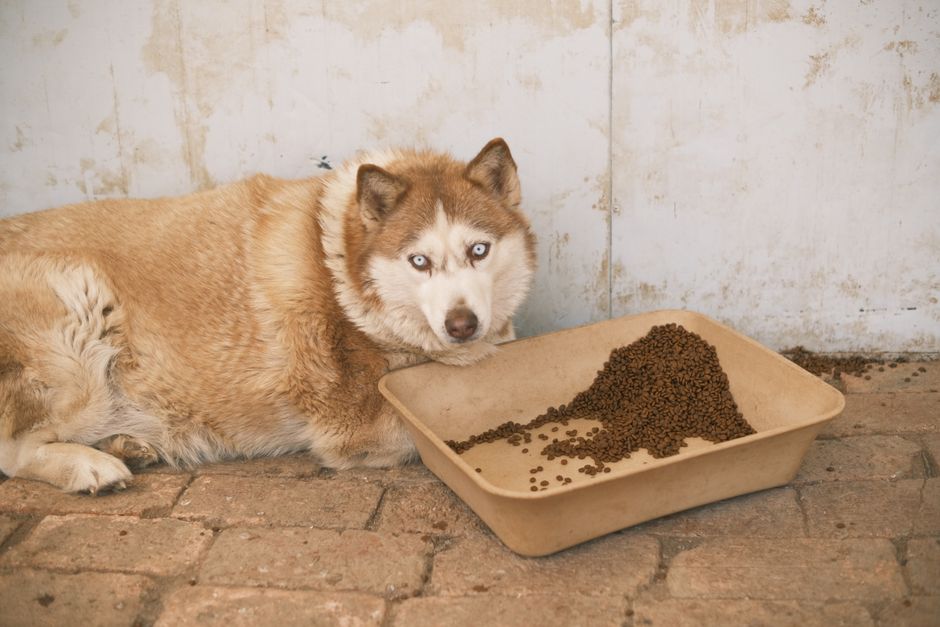
Common Toxic Foods for Huskies
While many foods are safe for humans, several can cause severe reactions in Huskies. Always err on the side of caution and avoid feeding these items intentionally or accidentally.
Chocolate and Caffeine
Chocolate contains theobromine and caffeine, which are toxic to dogs. Dark chocolate and baking chocolate are the most dangerous, but all forms can cause vomiting, diarrhea, rapid breathing, increased heart rate, seizures, and even death. A small amount can cause mild symptoms; larger doses require immediate veterinary attention.
Grapes and Raisins
Grapes and raisins can cause acute kidney failure in dogs, including Huskies. The exact toxic substance is unknown, but even a single grape can be harmful. Symptoms include vomiting, lethargy, and decreased appetite within 12–24 hours. If ingestion occurs, prompt veterinary care is critical.
Onions and Garlic
All members of the Allium family (onions, garlic, leeks, chives) can damage red blood cells in dogs, leading to anemia. Chronic exposure or large single doses are dangerous. Symptoms include weakness, pale gums, and reddish urine. Cooking does not reduce toxicity.
Xylitol (Artificial Sweetener)
Xylitol is found in sugar-free gum, candy, baked goods, and toothpaste. In dogs, it causes a rapid insulin release, resulting in dangerously low blood sugar (hypoglycemia) within 30 minutes. Symptoms include vomiting, weakness, seizures, and liver failure. Even small amounts can be fatal.
Macadamia Nuts
Macadamia nuts are highly toxic to dogs. Ingestion can cause weakness, depression, vomiting, tremors, and hyperthermia. Symptoms usually appear within 12 hours and resolve with supportive care, but it's best to avoid them entirely.
Alcohol and Raw Dough
Alcohol (ethanol) can cause intoxication, respiratory distress, and coma in dogs. Raw yeast dough can expand in the stomach, causing bloating, and the yeast produces ethanol, leading to alcohol poisoning. Keep all alcoholic beverages and unbaked dough away from your Husky.
Other Toxic Foods
Additional dangerous foods include: avocado (persin can cause vomiting and diarrhea), raw/undercooked meat and eggs (risk of Salmonella, E. coli), salty snacks (excessive sodium), and foods containing the spice nutmeg (can cause hallucinations and seizures). Seeds and pits from fruits like apples, cherries, apricots contain cyanide compounds—remove them before sharing fruit.
| Toxic Food | Symptoms | Action Required |
|---|---|---|
| Chocolate | Vomiting, diarrhea, rapid breathing, seizures | Immediate vet visit |
| Grapes/Raisins | Vomiting, lethargy, kidney failure | Emergency vet care |
| Onions/Garlic | Weakness, pale gums, anemia | Vet consultation |
| Xylitol | Hypoglycemia, seizures, liver failure | Immediate emergency |
| Macadamia Nuts | Weakness, tremors, hyperthermia | Vet visit |
| Alcohol | Intoxication, coma, respiratory distress | Emergency vet |
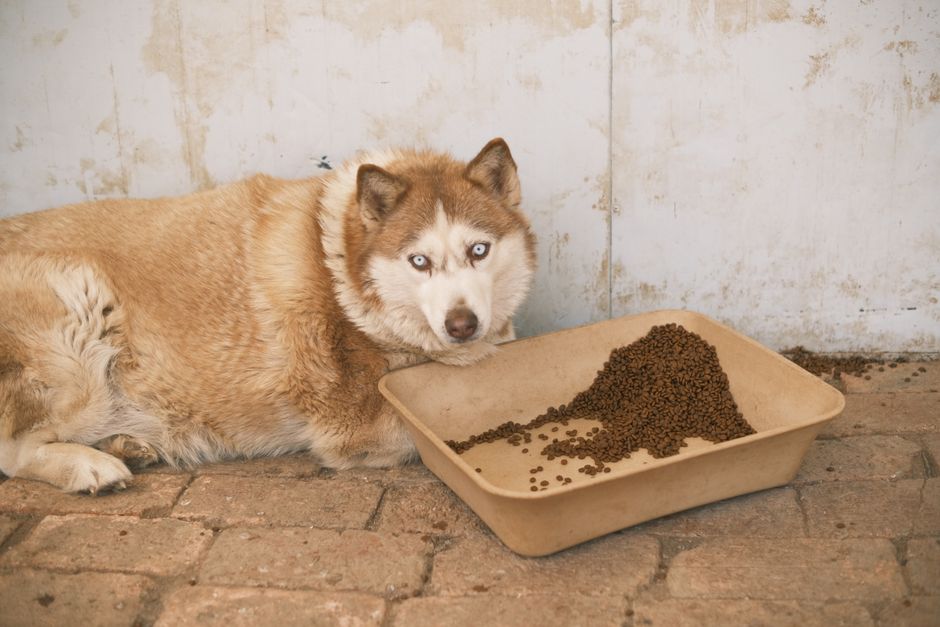
Less Obvious Toxic Foods
Some foods may not seem dangerous but can be harmful. For instance, moldy foods (especially moldy cheese or bread) can contain mycotoxins that cause tremors and seizures. Cooked bones (especially poultry) can splinter and cause internal injuries. Always avoid giving your Husky table scraps unless you're certain they are safe.
What to Do If Your Husky Eats Something Toxic
If you suspect your Husky has ingested a toxic food, act quickly:
- Stay calm and assess the situation. Identify what and how much was eaten.
- Contact your veterinarian or an emergency pet poison hotline immediately (e.g., ASPCA Poison Control: 888-426-4435).
- Do not induce vomiting unless instructed. Vomiting can be dangerous with some toxins or if the dog is already symptomatic.
- Follow professional advice. They may recommend bringing your dog in for treatment.
- Bring packaging or a sample of the food to the vet to help identify the toxin.
Time is critical—early intervention improves outcomes significantly.
Safe Alternatives and Treats
Huskies can enjoy several safe, healthy treats in moderation:
- Carrots, green beans, and cucumber slices (low-calorie crunchy snacks).
- Apple slices (no seeds) and blueberries (antioxidant-rich).
- Plain cooked chicken or turkey (no seasoning).
- Plain yogurt (probiotics) or peanut butter (xylitol-free).
- Commercial dog treats made with limited, natural ingredients.
Always introduce new foods gradually and monitor for any adverse reactions. treats should not exceed 10% of your Husky's daily caloric intake.
Conclusion
Protecting your Husky from toxic foods requires vigilance and education. Keep dangerous items stored securely, train your dog to avoid scavenging, and inform family members and guests about the rules. By understanding the risks and knowing emergency steps, you can ensure your Husky stays happy and healthy. When in doubt, consult your vet before sharing any human food.
Recommended Products for Your Husky
As an Amazon Associate, we earn from qualifying purchases. Learn more.
- Cooling Mat — Check price on Amazon
- Orthopedic Mat — Check price on Amazon
- Elevated Cot — Check price on Amazon
Frequently Asked Questions
How do I switch dog foods safely?
Mix the new food in over 7–10 days, increasing the ratio gradually. A sudden switch causes vomiting or diarrhea.
How much should I feed my Husky?
Most adults eat 1.5–2 cups of quality kibble split into two meals. Adjust for age, weight, and activity — working dogs need more, couch potatoes less.
What is the best food for a Husky?
Look for a meat-first formula with 25–30% protein and healthy fats. Many owners use salmon- or lamb-based foods for coat and skin health.
Editor's Note
One habit we push hard: a frozen Kong at dinner time. It buys two quiet hours and slows eating. We've recommended it to hundreds of owners and the only complaints are from dogs who finish too fast—which means we sized the treat down.
Sources & Further Reading
HuskySpot researches each topic against recognized breed and veterinary authorities. The following organizations inform our content: