Choosing the best puppy food for your Siberian Husky is one of the most important decisions you'll make as a new owner. Huskies are a unique breed with specific nutritional needs that differ from many other dogs. Their high energy levels, robust metabolism, and predisposition to certain health issues require a diet that supports growth without causing excess weight or digestive problems. This comprehensive guide will walk you through everything you need to know about feeding your Husky puppy, from essential nutrients to top brand recommendations and feeding schedules.
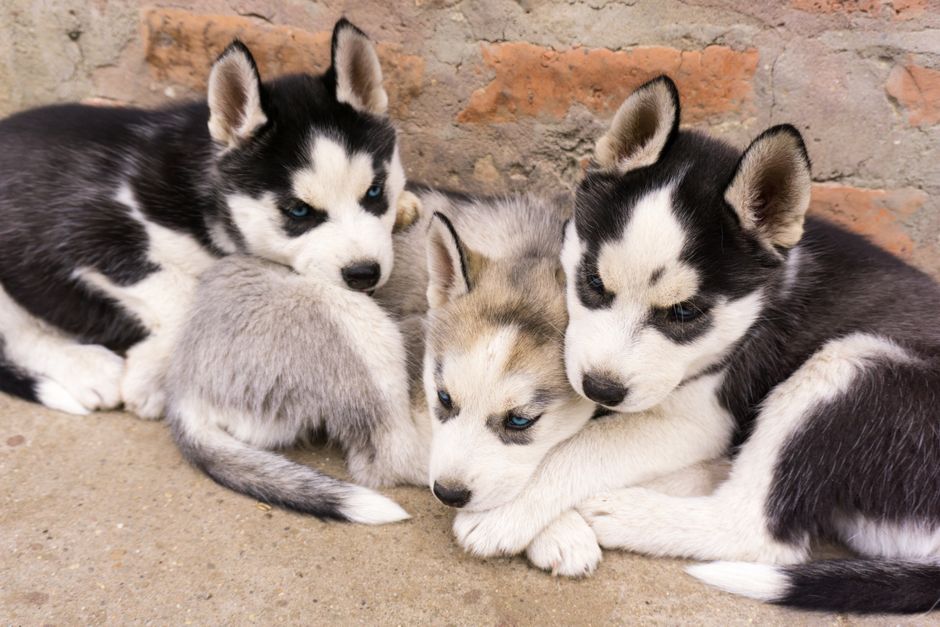
Understanding Your Husky Puppy's Nutritional Needs
Husky puppies grow rapidly during their first year, and their diet must provide the right balance of calories, protein, fat, vitamins, and minerals. Unlike some large breeds, Huskies are not prone to excessive growth rate issues, but they do require high-quality protein to support muscle development and healthy joints. Because Huskies were bred for endurance and cold climates, they have a slower metabolism compared to other breeds of similar size, meaning they are efficient at conserving energy. This makes it crucial to avoid overfeeding, as obesity can lead to joint problems and other health issues.
Caloric Requirements
A Husky puppy's caloric needs vary based on age, activity level, and individual metabolism. As a general guideline, a 2-month-old Husky puppy weighing around 10-15 pounds may need about 400-500 calories per day, while a 6-month-old weighing 30-40 pounds might require 800-1000 calories. Always consult with your veterinarian to tailor the amount to your puppy's specific needs.
Key Nutrients for Husky Puppies
When selecting a puppy food, look for these essential nutrients:
- High-Quality Protein: At least 22-32% dry matter. Protein from animal sources like chicken, fish, lamb, or beef supports muscle growth and energy.
- Healthy Fats: Around 12-20% fat. DHA (docosahexaenoic acid) from fish oil is vital for brain and eye development. Omega-3 and Omega-6 fatty acids promote a healthy coat and skin.
- Calcium and Phosphorus: In proper balance (around 1.2:1 ratio) for strong bones and teeth.
- Carbohydrates: Moderate amounts from whole grains or vegetables provide energy and fiber. Avoid excessive fillers like corn, wheat, and soy.
- Vitamins and Minerals: Vitamins A, D, E, B-complex, zinc, selenium, and taurine are important for immune function and overall health.
Types of Puppy Food: Dry, Wet, Raw, and Freeze-Dried
You have several options food form. Each has its pros and cons:
| Type | Pros | Cons |
|---|---|---|
| Dry Kibble | Convenient, affordable, good for dental health, long shelf life | May contain lower-quality ingredients, less moisture |
| Wet/Canned Food | Higher moisture, more palatable, often higher protein | More expensive, can spoil quickly, may not help teeth |
| Raw Food (Frozen/Freeze-Dried) | Minimally processed, high protein, natural enzymes | Risk of bacterial contamination, expensive, requires careful handling |
| Freeze-Dried Raw | Convenient like kibble, retains nutrients, lighter than frozen | Expensive, may be high in fat, rehydration needed |
Many experts recommend a high-quality dry kibble as the foundation, optionally supplemented with wet food or raw toppers for variety.
Ingredients to Look For
- Named animal protein as the first ingredient (e.g., deboned chicken, salmon meal)
- Whole meats and meat meals (concentrated protein)
- Whole grains like brown rice, oatmeal, or barley (or grain-free options like sweet potatoes and peas if your Husky has sensitivities)
- Omega fatty acids from fish oil or flaxseed
- Probiotics and prebiotics for digestive health
- Natural preservatives like vitamin E (mixed tocopherols)
Ingredients to Avoid
- By-products and unnamed meat sources
- Artificial preservatives (BHA, BHT, ethoxyquin)
- Artificial colors and flavors
- Excessive fillers like corn, wheat gluten, and soy
- High sugar or salt content
- Propylene glycol (used in some semi-moist foods)
Best Puppy Food Brands for Huskies
Based on ingredient quality, nutritional balance, and positive feedback from Husky owners, here are some top recommendations:
| Brand | Key Features | Pros | Cons |
|---|---|---|---|
| Orijen Puppy | High protein (38%), grain-free, fresh regional ingredients | Excellent meat content, includes whole prey, rich in DHA | Very high protein may cause loose stools in some puppies, expensive |
| Blue Buffalo Life Protection Formula Puppy | Real meat first, contains LifeSource Bits (antioxidants) | Widely available, balanced nutrition, includes DHA | Some recipes contain chicken (common allergen), higher carbohydrate content |
| Wellness CORE Grain-Free Puppy | High protein, grain-free, probiotics | Great for active puppies, contains omega fatty acids | Can be too rich for sensitive stomachs, pricey |
| Purina Pro Plan Puppy (Sensitive Skin & Stomach) | Salmon and rice formula, easy to digest | Affordable, widely recommended by vets, good for picky eaters | Contains some plant protein concentrates, lower protein than premium brands |
| Acana Heritage Puppy & Junior | Biologically appropriate, 60% animal ingredients | Moderate protein (33%), good balance, includes DHA | Limited availability in some regions, not grain-free (but quality grains) |
Note: Every puppy is different. What works for one may not work for another. Always transition foods gradually over 7-10 days to avoid digestive upset.
Feeding Schedule and Portions for Husky Puppies
Establishing a consistent feeding routine helps with house training and digestion. For the first few months, feed your Husky puppy three to four times a day. At around 6 months, you can reduce to three meals, and by 12 months, transition to two meals daily. Avoid free-feeding, as Huskies tend to overeat if given the chance.
Use the feeding guide on the food label as a starting point, but adjust based on your puppy's body condition. You should be able to feel the ribs without seeing them, and there should be a visible waist when viewed from above. Weigh your puppy weekly and consult your vet to fine-tune portions.
Sample Feeding Chart for a Husky Puppy (based on 500 kcal/cup food)
| Age (months) | Weight (lbs) | Daily Cups (approx.) | Meals per Day |
|---|---|---|---|
| 2 | 10-15 | 1 - 1.5 | 3-4 |
| 3 | 15-25 | 1.5 - 2 | 3 |
| 4 | 20-30 | 2 - 2.5 | 3 |
| 6 | 30-40 | 2.5 - 3 | 2-3 |
| 8 | 35-45 | 2.5 - 3.5 | 2 |
| 12 | 40-50 | 3 - 4 | 2 |
Transitioning to New Food
When switching to a new puppy food, do it gradually to prevent gastrointestinal upset. Over 7-10 days, mix increasing amounts of the new food with the old:
- Days 1-2: 25% new + 75% old
- Days 3-4: 50% new + 50% old
- Days 5-6: 75% new + 25% old
- Days 7+: 100% new
Monitor your puppy for signs of digestive issues like diarrhea, vomiting, or gas. If problems persist, consult your vet and consider a different formula.
Common Feeding Mistakes
- Overfeeding: Leads to obesity, joint strain, and potential hip dysplasia. Stick to portion guidelines.
- Too many treats: Treats should make up no more than 10% of daily calories. Use healthy options like small pieces of chicken or carrot.
- Switching foods too often: Can cause picky eating and digestive upset. Choose a quality food and stick with it unless necessary.
- Feeding low-quality food: Can lead to poor coat, low energy, and health problems. Invest in high-quality puppy food.
- Not providing fresh water: Always ensure clean water is available, especially when feeding dry kibble.
Conclusion
Selecting the best puppy food for your Husky is about more than just grabbing the first bag on the shelf. By understanding your puppy's unique nutritional needs, reading ingredient labels, and choosing a reputable brand, you can set the foundation for a long, healthy, and active life. Remember to consult your veterinarian before making any major diet changes, and monitor your puppy's growth and body condition regularly. With the right food and feeding routine, your Siberian Husky puppy will thrive.
Recommended Products for Your Husky
As an Amazon Associate, we earn from qualifying purchases. Learn more.
- Premium Husky Food — Check price on Amazon
- Grain-Free Kibble — Check price on Amazon
- High-Protein Food — Check price on Amazon
Frequently Asked Questions
How do I switch dog foods safely?
Mix the new food in over 7–10 days, increasing the ratio gradually. A sudden switch causes vomiting or diarrhea.
How much should I feed my Husky?
Most adults eat 1.5–2 cups of quality kibble split into two meals. Adjust for age, weight, and activity — working dogs need more, couch potatoes less.
What is the best food for a Husky?
Look for a meat-first formula with 25–30% protein and healthy fats. Many owners use salmon- or lamb-based foods for coat and skin health.
Editor's Note
One habit we push hard: a frozen Kong at dinner time. It buys two quiet hours and slows eating. We've recommended it to hundreds of owners and the only complaints are from dogs who finish too fast—which means we sized the treat down.
Sources & Further Reading
HuskySpot researches each topic against recognized breed and veterinary authorities. The following organizations inform our content: