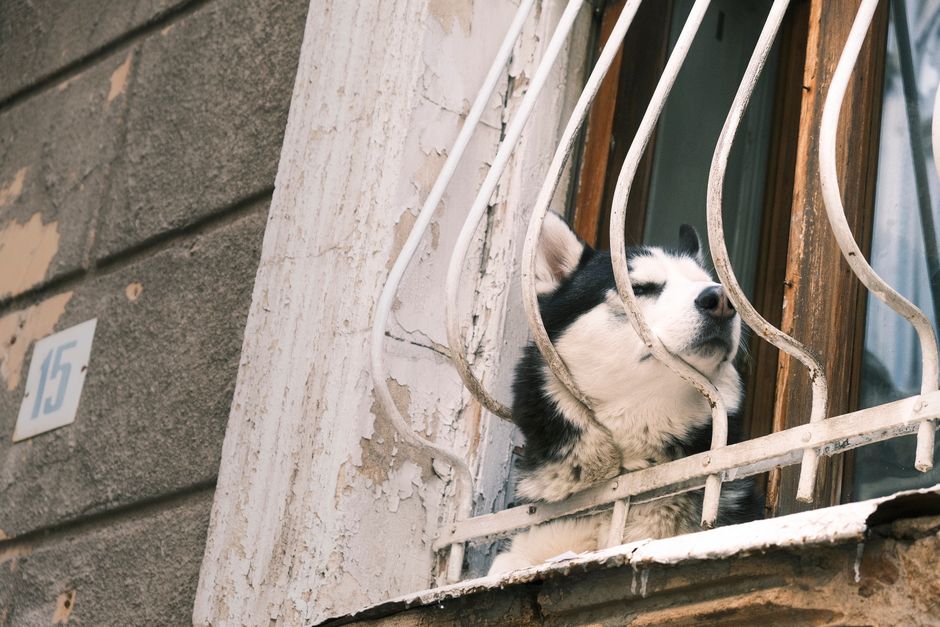
Why Do Huskies Destroy Furniture?
If you're a Siberian Husky owner, you've likely experienced the frustration of coming home to chewed-up couch cushions, shredded pillows, or gnawed table legs. This destructive behavior is a common complaint among husky parents, but it's important to understand that your dog isn't trying to be malicious. Instead, there are specific reasons rooted in their breed history, psychology, and physical needs. In this guide, we'll explore the causes behind furniture destruction and provide practical solutions to protect your home while keeping your husky happy.
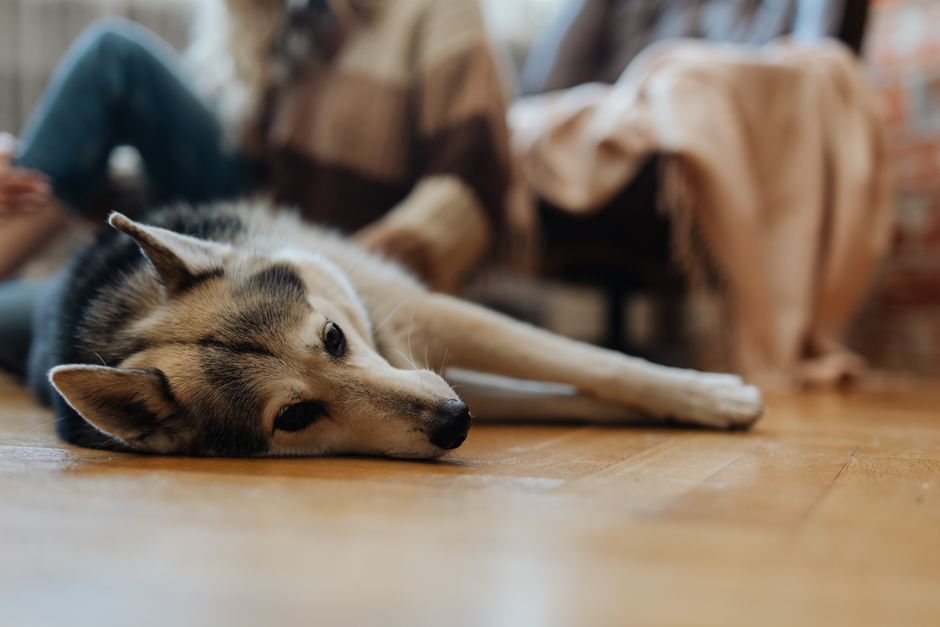
The Root of the Behavior: Understanding Your Husky
Siberian Huskies were originally bred as working sled dogs in harsh Arctic environments. They are highly intelligent, energetic, and independent. These traits, while admirable, can lead to destructive behaviors if not properly channeled. Huskies have a strong prey drive and an instinct to explore, dig, and chew. When their needs are unmet, furniture becomes an outlet for their pent-up energy and anxiety.

Common Reasons Huskies Destroy Furniture
Boredom and Lack of Exercise
Huskies are high-energy dogs that require significant daily exercise. A tired husky is a well-behaved husky. Without at least 60 minutes of vigorous activity like running, hiking, or pulling, they will find ways to entertain themselves—often at the expense of your furniture. Chewing provides physical and mental stimulation, so a bored husky will target sofa legs, pillows, and even mattresses.
Separation Anxiety
Huskies are pack animals and can become deeply attached to their owners. When left alone for long periods, they may experience separation anxiety, which manifests in destructive behaviors like chewing furniture, scratching doors, or howling. The destruction is often concentrated on items that smell like you, such as your favorite chair or your side of the bed.
Teething in Puppies
Like all puppies, husky pups go through a teething phase between 3 and 6 months of age. During this time, their gums are sore, and they have an urgent need to chew to alleviate discomfort. Furniture, with its varied textures, becomes an attractive target. Providing appropriate teething toys can redirect this behavior.
Instinctual Denning Behavior
In the wild, dogs dig and chew to create a comfortable den. A husky may attempt to “rearrange” soft furniture to make a nest, leading to shredded cushions and torn upholstery. This is particularly common in female huskies or those with a strong nesting instinct.
Lack of Mental Stimulation
Physical exercise alone isn't enough for a husky's sharp mind. Without puzzle toys, training sessions, or interactive games, they can become bored and destructive. Chewing furniture is a way to engage their brain and relieve stress.
How to Prevent Furniture Destruction
Provide Plenty of Exercise
Aim for at least 60–90 minutes of physical activity daily, split into two sessions. Include off-leash running in a safe area, brisk walks, or dog sports like agility or canicross. A tired husky is less likely to target furniture.
Mental Enrichment Activities
Challenge your husky's mind with:
- Puzzle toys that dispense treats (e.g., Kong, Nina Ottosson)
- Hide-and-seek games with toys or treats
- Training sessions for new tricks or commands
- Scent work or nose games
Crate Training and Safe Spaces
Introduce a crate as a positive den where your husky can feel secure. Make it comfortable with bedding and safe chew toys. Use the crate when you cannot supervise, especially during the destruction-prone times like teething or when leaving the house. Never use it as punishment.
Use Deterrents and Protect Furniture
Apply taste deterrents like bitter apple spray to furniture legs and corners. Cover furniture with throws or washable slipcovers that are less appealing to chew. Provide alternative chewing options such as:
- Durable nylon bones
- Rubber chew toys (e.g., Goughnuts, West Paw)
- Bully sticks or frozen carrots (supervised)
Positive Reinforcement Training
Teach the “leave it” command. When you see your husky approaching furniture to chew, redirect them to an appropriate toy and reward them for engaging with it. Consistency is key. Never punish after the fact; it only creates fear and anxiety.
What to Do If Your Husky Has Already Destroyed Furniture
If you come home to a destroyed sofa, resist the urge to scold your dog. They won't associate the punishment with the act that happened hours ago. Instead, clean up calmly, and assess what triggered the behavior. Was your husky left alone too long? Did they get enough exercise that day? Address these gaps moving forward. Repair or replace furniture as needed, and consider using deterrents in the future.
When to Seek Professional Help
If furniture destruction persists despite your best efforts, consult a professional dog trainer or a veterinary behaviorist. They can help diagnose underlying issues like severe separation anxiety or obsessive-compulsive disorder and create a tailored behavior modification plan. In some cases, medication may be recommended alongside training.
Conclusion
Understanding why your husky destroys furniture is the first step to solving the problem. By meeting their physical and mental needs, providing appropriate outlets for chewing, and using positive training techniques, you can protect your home and strengthen your bond with your husky. Remember: a happy, well-exercised husky is far less likely to leave your furniture in shambles.