Understanding Territorial Aggression in Siberian Huskies
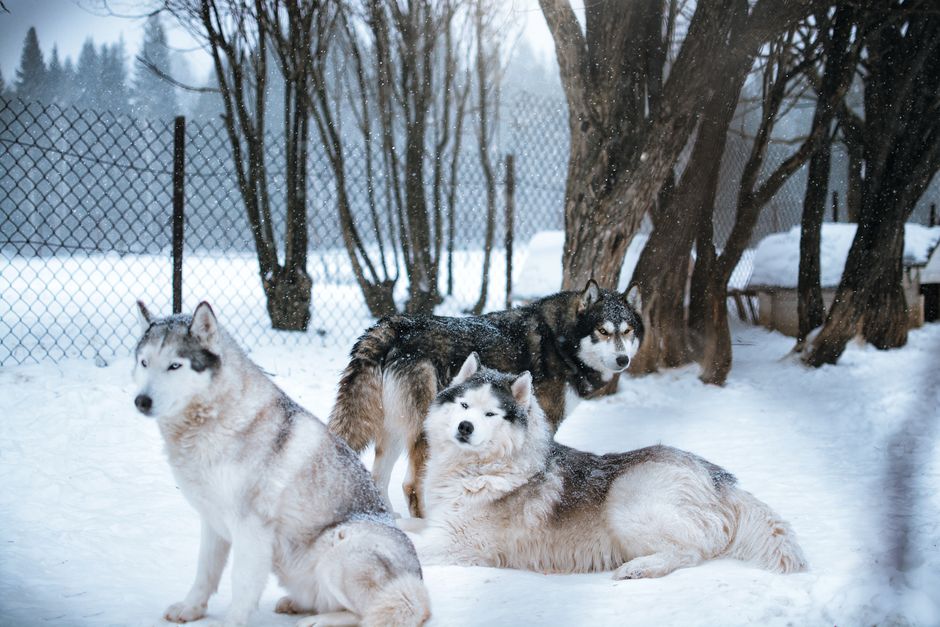
Territorial aggression is a common behavioral issue in Siberian Huskies, stemming from their ancestral instincts as sled dogs. While not inherently aggressive, huskies can become protective of their home, yard, or family members. This guide will help you identify, manage, and reduce territorial aggression in your husky through training, environmental changes, and understanding their unique needs.
What Is Territorial Aggression?
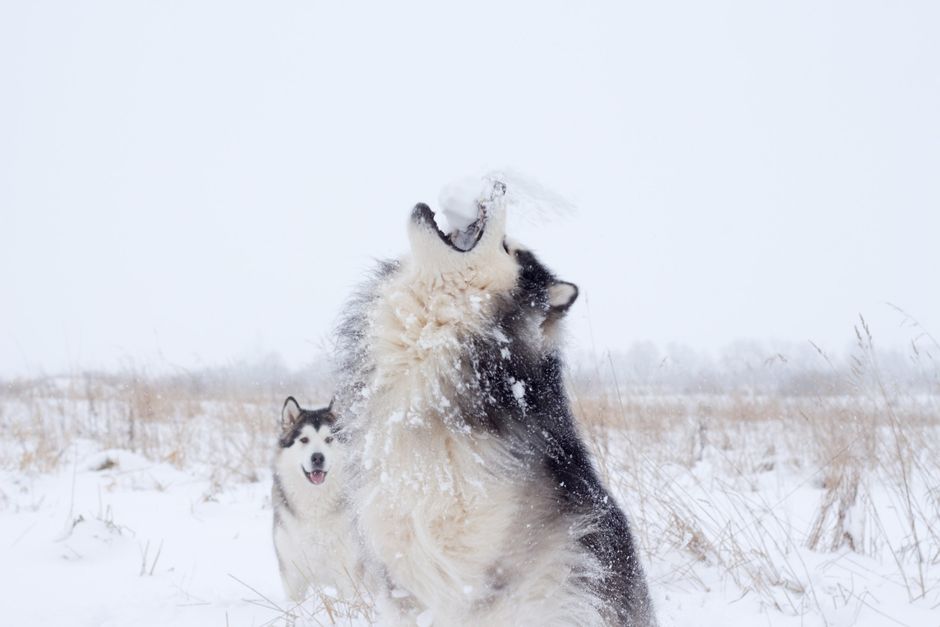
Territorial aggression occurs when a dog perceives a threat to their space or resources. For huskies, this can manifest as barking, growling, lunging, or even biting at people or animals entering their perceived territory. Unlike possessive aggression (over food or toys), territorial aggression is directed at intruders approaching the home, yard, or even the dog's regular walking route.
Signs of Territorial Aggression in Huskies
- Intense barking or howling when someone approaches the door
- Raised hackles and stiff body posture
- Lunging at windows or fences when people pass by
- Growling or snapping at visitors inside the home
- Excessive marking of boundaries (urinating on fences, gates)
Why Are Huskies Prone to Territorial Behavior?
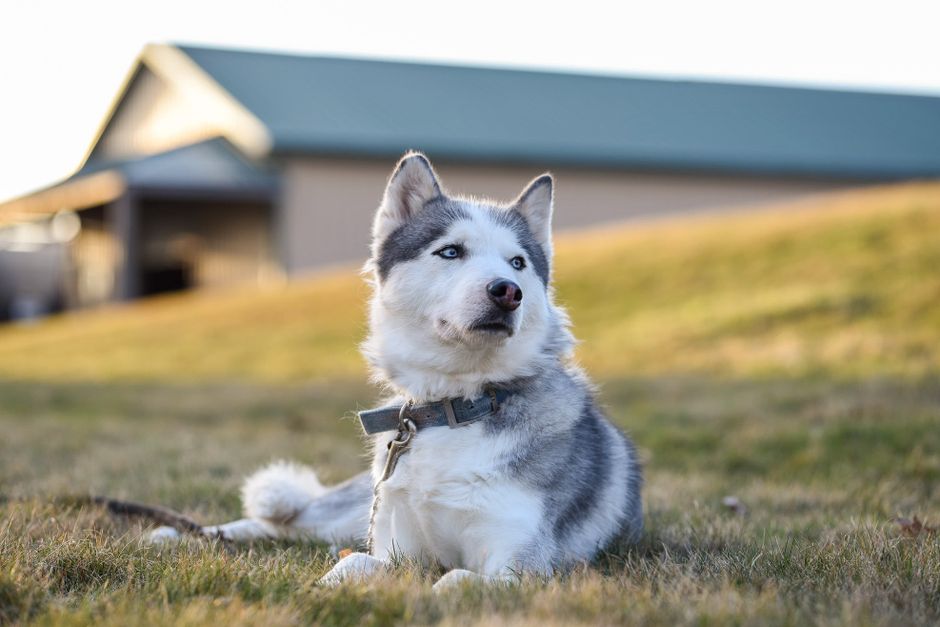
Siberian Huskies were bred to work in packs and protect their team and territory. Their independent nature and high energy levels can amplify territorial instincts, especially if they are under-stimulated or improperly socialized. Common triggers include:
- Lack of socialization: Huskies not exposed to various people, dogs, and environments during puppyhood may view strangers as threats.
- Boredom and excess energy: A bored husky may become hyper-vigilant and reactive.
- Fear or anxiety: An insecure husky may overcompensate with aggression.
- Protective instincts: Huskies may guard family members or specific areas.
How to Prevent Territorial Aggression in Puppies
Early intervention is key. Start socialization from 8–16 weeks of age:
- Invite friends and family to your home regularly, rewarding calm behavior.
- Expose your puppy to different environments, sounds, and surfaces.
- Teach a strong “leave it” and “settle” command.
- Encourage positive interactions with strangers, using treats and praise.
Training Techniques to Reduce Territorial Aggression
For adult huskies, a combination of management and training is essential. Always consult a professional if aggression is severe.
1. Desensitization and Counter-Conditioning
Gradually expose your husky to triggers at a distance where they remain calm. Pair the trigger with high-value treats. For example, if your husky barks at people walking by the window, start with the curtain closed, then partially open, rewarding calmness. Slowly increase exposure.
2. Teach “Go to Your Mat”
Train your husky to go to a designated mat or bed when the doorbell rings or visitors arrive. This redirects their energy and provides a calm alternative to territorial behavior.
3. Obedience and Impulse Control
Practice commands like “stay,” “focus,” and “watch me” in low-distraction settings, then gradually add distance or distractions. A well-trained husky is more responsive to cues during stressful situations.
4. Controlled Greetings
When guests arrive, keep your husky on a leash or behind a baby gate. Ask guests to ignore the dog until it is calm, then allow a controlled greeting with treats tossed on the floor.
Environmental Management
Modify your home to reduce triggers:
- Use window film or curtains to block visual access to the street.
- Create a safe space (crate or quiet room) where your husky can retreat.
- Install a fence at least 6 feet high with no gaps to prevent territorial patrol.
- Provide plenty of physical and mental exercise (at least 1-2 hours daily) to reduce arousal levels.
Exercise and Mental Stimulation
A tired husky is less likely to be reactive. Ensure your dog gets:
- 60–90 minutes of aerobic exercise (running, hiking, biking)
- Puzzle toys, nose work, or training sessions to tire the mind
- Regular playdates with well-socialized dogs to burn energy
When to Seek Professional Help
If your husky’s aggression results in bites, severe anxiety, or if you feel unsafe, consult a certified animal behaviorist (CAAB or DACVB) or a force-free trainer. Medication may be an option for severe cases, but always in conjunction with behavior modification.
Common Mistakes to Avoid
- Punishment: Yelling or hitting increases fear and aggression.
- Forcing interactions: Pushing your husky to accept strangers can backfire.
- Inconsistent rules: Allowing guarding behavior sometimes but punishing others confuses your dog.
- Ignoring exercise needs: Without enough activity, territorial behavior worsens.
Conclusion
Territorial aggression in Siberian Huskies can be managed with early socialization, consistent training, and an enriched environment. Understand your husky’s instincts, address underlying anxiety, and always prioritize safety. With patience and positive reinforcement, your husky can learn to be a calm and welcoming member of the family.
Quick Reference Table: Do's and Don'ts
| Do | Don't |
|---|---|
| Socialize early and often | Punish growling or barking |
| Use positive reinforcement | Force interactions with strangers |
| Provide ample exercise | Allow your husky to practice guarding |
| Manage the environment | Ignore signs of fear or stress |
| Seek professional help if needed | Use aversive tools like shock collars |