Does your Siberian Husky turn every walk into a full-body workout? You're not alone. Huskies are bred to pull sleds, so pulling on the leash is a natural instinct. However, with the right training and equipment, you can teach your Husky to walk politely by your side. This comprehensive guide covers everything you need to know about why Huskies pull, how to stop it, and what tools can help. Let's transform your walks from a tug-of-war into a peaceful stroll.
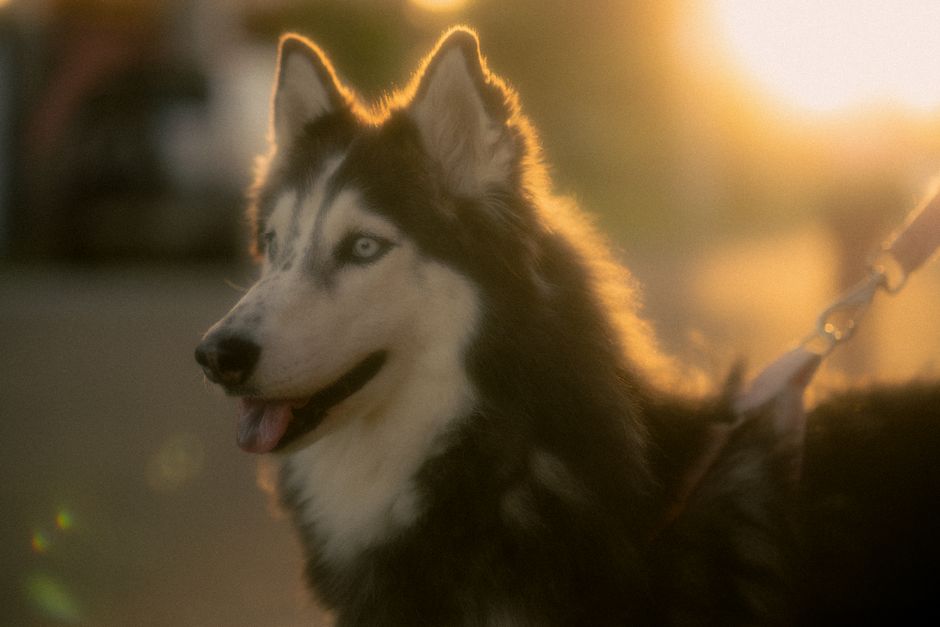
Why Do Huskies Pull on the Leash?
Understanding the root cause of pulling is the first step to solving it. Huskies were bred for endurance and pulling heavy loads across snow. That genetic predisposition doesn't disappear when they put on a collar. Additionally, Huskies are highly energetic and curious. They pull to investigate interesting smells, chase small animals, or simply burn off excess energy. Common reasons include:
- Instinct: Sled dogs are conditioned to pull against resistance.
- Excitement: Walks are the highlight of their day, leading to overexuberance.
- Lack of training: If pulling has never been discouraged, it becomes a habit.
- Improper equipment: A standard collar may encourage pulling due to discomfort.
- Reinforcement: Pulling often leads to getting what they want (reaching a tree, greeting another dog).
Addressing these factors will be key in your training plan.
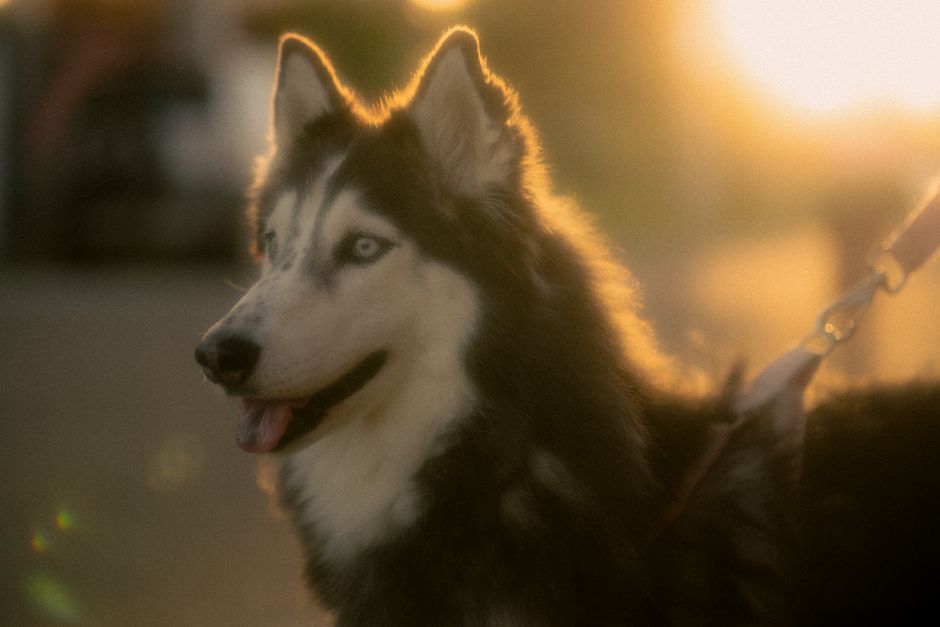
The Dangers of Allowing Pulling
While it might seem like a minor annoyance, consistent pulling can lead to serious issues:
- Physical harm: Constant pressure on the neck can damage the trachea, thyroid, and cervical spine, especially in puppies.
- Escalation: A pulling Husky may suddenly lunge, causing you to lose grip or fall.
- Reinforced bad behavior: If pulling is allowed, your Husky learns that tension on the leash means forward movement.
- Strained relationship: Frustrating walks can make you less eager to exercise your dog, leading to pent-up energy and more behavioral problems.
Breaking the habit early is crucial for both safety and enjoyment.
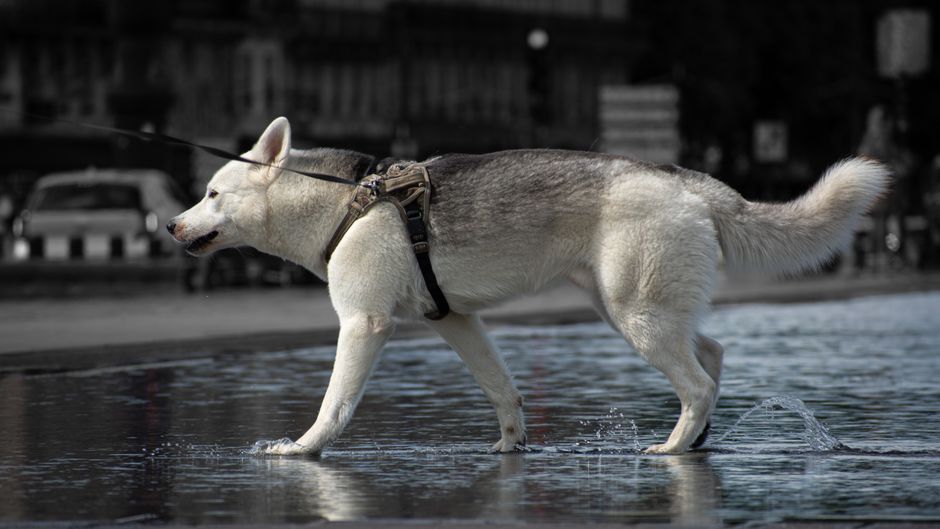
Essential Equipment to Manage Pulling
Choosing the right gear can make training much easier. Here's a comparison of common tools:
| Tool | Pros | Cons | Best For |
|---|---|---|---|
| Front-Clip Harness | Redirects dog toward you when they pull, no neck pressure | May cause chafing if ill-fitting; some dogs adapt quickly | Most Huskies, especially beginners |
| Head Halter (e.g., Gentle Leader) | Controls the head, gentle guidance, very effective | Some dogs dislike it; requires proper desensitization | Strong pullers, dogs that don't respond to harnesses |
| Martingale Collar | Prevents slipping out, gives gentle correction | Can still cause neck strain if used for pulling | Huskies with narrow heads (risk of slipping collars) |
| No-Pull Harness (Harnesses with chest strap) | Discourages pulling by design, often has dual clips | Some harnesses can restrict gait if poorly designed | Dedicated no-pull training sessions |
| Standard Flat Collar | Simple, always on | Encourages pulling, dangerous for strong pullers | Only for trained dogs who do not pull |
We recommend starting with a well-fitted front-clip harness. It's humane, effective, and allows for safe training. Remember, equipment is a tool, not a cure—training is still essential.
Step-by-Step Training to Stop Pulling
Step 1: Master Loose Leash Walking Indoors
Start in a low-distraction environment like your living room. Have high-value treats ready. Stand still with a relaxed leash (a J-shaped curve). The moment your Husky looks at you or moves toward you, mark with a "Yes!" and treat. Gradually increase the criteria: one step without pulling, then two, etc. Practice until your dog walks beside you for several steps without tension.
Step 2: Add Mild Distractions
Move to your backyard or a quiet hallway. Repeat the process. If your Husky pulls, stop immediately. Do not move until the leash goes slack. When they give you attention or return to your side, reward and proceed. This teaches that pulling leads to stopping, not moving forward.
Step 3: Practice in the Real World
Choose a quiet street with few distractions. Keep sessions short (5–10 minutes) to avoid frustration. Use the "be a tree" method: every time the leash tightens, stop and wait. Only walk when the leash is loose. Celebrate small victories. Over time, your Husky will learn that pulling stops forward progress.
Step 4: Incorporate Direction Changes
Instead of stopping, you can also change direction. As your Husky pulls, turn around and walk the opposite way. Call their name encouragingly. Reward when they catch up and walk beside you. This keeps your dog focused on you rather than on distractions ahead.
Step 5: Add Duration and Distance
Gradually increase walk length and introduce more stimulating environments. Always set your dog up for success—if they start pulling a lot, return to an easier setting. Consistency is key. Use verbal cues like "Let's go" for walking and "Easy" to remind them to slow down.
Advanced Techniques for Stubborn Pullers
If your Husky still pulls despite consistent training, consider:
- The "Penalty Yard" method: Carry a lightweight long line. When your Husky pulls, drop the leash and step on it, then wait. The dog feels a sudden stop and learns that pulling gets nowhere.
- Target training: Teach your dog to touch your hand with their nose on cue. Use this to redirect attention during walks.
- Use a gentle leader: Some dogs respond better to head control. Introduce it slowly with treats and praise.
- Hire a professional: A qualified trainer can identify subtle issues you might miss.
Remember, every dog is different. Be patient and experiment with what works for your Husky.
Common Mistakes to Avoid
- Letting the dog pull sometimes: Inconsistency reinforces the behavior. If you allow pulling occasionally, it will persist.
- Using retractable leashes: They teach your dog that tension on the leash means they can go farther, encouraging pulling.
- Yelling or yanking: This can damage your relationship and increase anxiety, making pulling worse.
- Skipping warm-up: Before a walk, play a game or do some obedience exercises to burn off initial excitement.
- Expecting too much too soon: Training a Husky to walk nicely takes weeks or months. Celebrate small progress.
When to Seek Professional Help
If your Husky's pulling leads to reactivity (lunging, barking at other dogs or people), or if you feel unsafe or frustrated, consult a positive-reinforcement trainer. They can create a customized plan and address underlying issues like fear or overexcitement. Also, a sudden increase in pulling could indicate pain or discomfort—check with your vet.
Conclusion
Pulling is a common challenge with Siberian Huskies, but it's not insurmountable. By understanding your dog's instincts, using the right equipment, and applying consistent training techniques, you can teach your Husky to walk calmly on a loose leash. patience and positive reinforcement are your best allies. Every loose-leash step is a victory. Start today, and soon your walks will be a joy for both of you.