Siberian Huskies are intelligent, energetic, and social dogs that thrive on companionship. When left alone for extended periods, many develop husky separation stress—a condition that can lead to destructive behaviors, excessive vocalization, and anxiety. This comprehensive guide explores the causes, signs, and effective strategies to manage and prevent separation stress in your Husky.
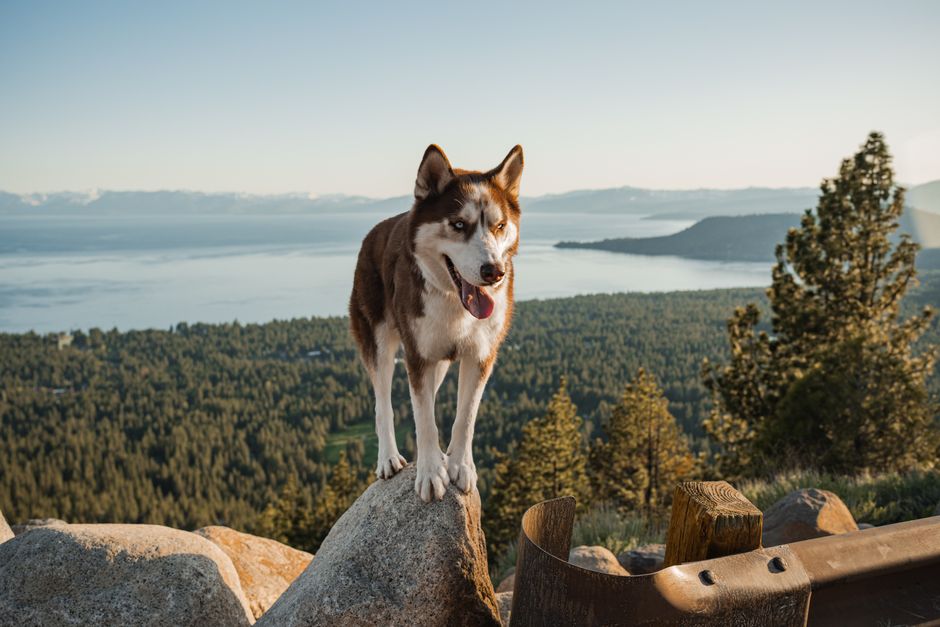
Understanding Separation Stress in Siberian Huskies
Separation stress, also known as separation anxiety, is a behavioral issue where a dog experiences extreme distress when separated from their owner. For Huskies, bred to work in packs, isolation can be particularly challenging. Unlike mere boredom, separation stress involves genuine panic and fear.
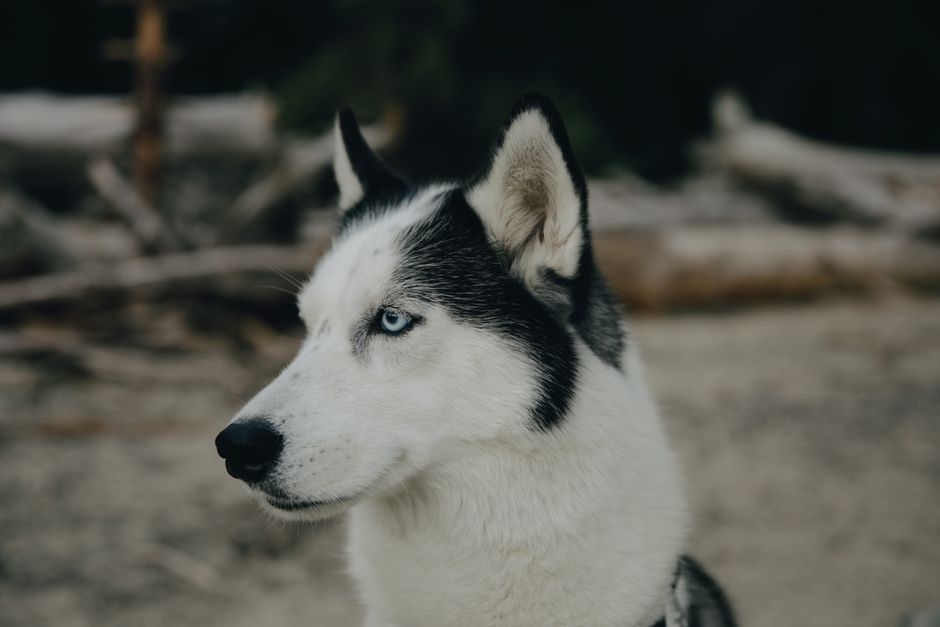
Common Signs of Husky Separation Stress
Recognizing the symptoms early is crucial. Look for these behaviors:
- Excessive barking, howling, or whining when you prepare to leave or after you're gone.
- Destructive chewing on furniture, doors, or personal items—especially near exits.
- Accidents indoors despite being house-trained.
- Pacing or restlessness before your departure.
- Attempting to escape from the house or crate, leading to injury.
- Excessive drooling, panting, or vomiting when left alone.
- Overenthusiastic greetings upon your return, often with signs of distress beforehand.
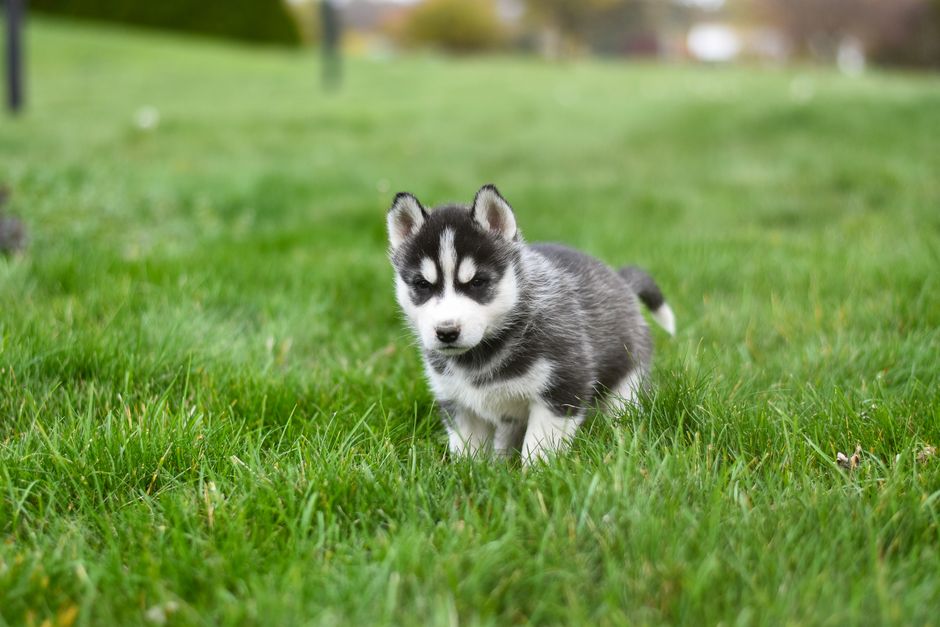
Why Are Huskies Prone to Separation Stress?
Several factors make Huskies susceptible:
- Pack Mentality: As sled dogs, they are used to constant companionship. Being alone triggers anxiety.
- High Energy: Without proper exercise, pent-up energy transforms into destructive or anxious behaviors.
- Intelligence: Huskies are clever and can become bored easily, leading to stress.
- Genetics: Some lines may have a predisposition to anxiety.
How to Prevent Separation Stress in Huskies
Prevention is easier than cure. Start these habits early:
1. Establish a Routine
Dogs feel secure with predictability. Set consistent times for feeding, walks, and departures. A pre-leave ritual (e.g., a specific toy or treat) signals that you'll return.
2. Provide Plenty of Exercise
A tired Husky is a calm Husky. Aim for at least 60 minutes of vigorous activity daily, including runs, hikes, or play sessions. Mental stimulation (puzzle toys, training) also helps.
3. Practice Short Departures
Gradually accustom your Husky to your absence. Start with 5-minute departures, then increase duration. Stay calm during departures and arrivals to avoid amplifying emotions.
4. Create a Safe Space
A crate or designated area can become a den-like sanctuary. Use positive reinforcement to make it inviting, never punishment.
5. Use Calming Aids
Consider pheromone diffusers, calming music, or anxiety wraps like Thundershirt. Some dogs respond well to natural supplements (chamomile, L-theanine).
Effective Treatments for Separation Anxiety
If your Husky already shows signs, implement a structured plan:
| Method | Description |
|---|---|
| Desensitization & Counterconditioning | Associate your departure cues (e.g., picking up keys) with something positive, like a high-value treat. Gradually increase the time you're gone. |
| Interactive Toys | Stuff Kong toys with peanut butter or kibble and freeze them. Offer only when you leave to create a positive distraction. |
| Professional Training | Work with a certified dog trainer experienced in separation anxiety. |
| Medication | In severe cases, a veterinarian may prescribe anti-anxiety medication (e.g., fluoxetine) combined with behavior modification. |
Step-by-Step Training Plan for Alone Time
Follow this gradual process (may take weeks to months):
- Step 1: Practice 'sit' and 'stay' while you move a few steps away. Reward calm behavior.
- Step 2: Increase distance and duration, always returning before stress appears.
- Step 3: Perform departure cues (e.g., grab keys) without leaving. Treat and relax.
- Step 4: Step out the door for 1 second, then return and treat. Gradually extend.
- Step 5: Build up to 5 minutes, 10 minutes, 30 minutes, etc., over days or weeks.
When to Seek Professional Help
If your Husky's stress leads to self-harm, severe destruction, or if you're unable to leave the house, consult a veterinary behaviorist or a certified separation anxiety trainer. They can tailor a program and evaluate if medication is needed.
Remember, patience is key. Separation stress in Huskies is manageable with consistent training, understanding, and love.