As a Siberian Husky owner, you may have experienced the puzzling behavior of your husky turning up its nose at its food bowl. While it’s not uncommon for these intelligent dogs to be picky, understanding the reasons behind food refusal is key to ensuring their health and happiness. This comprehensive guide explores the many factors that can cause a husky to refuse food, from medical issues to behavioral quirks, and offers practical solutions to help you address the problem.
Common Reasons Huskies Refuse Food
Huskies are known for their independent nature and sometimes finicky eating habits. Here are the most frequent reasons why your husky might be skipping meals:
- Picky Eating Behavior: Many huskies are naturally selective eaters. They may prefer certain flavors or textures and reject others.
- Overfeeding or Too Many Treats: If your husky is getting too many treats or table scraps, they may not feel hungry at meal times.
- Change in Diet: Abrupt changes in food can cause digestive upset or refusal. Dogs need a gradual transition over 7-10 days.
- Environmental Stress: Changes in routine, new people, loud noises, or travel can make a husky anxious and less inclined to eat.
- Seasonal Appetite Fluctuations: Like many animals, huskies may eat less in warmer months or when shedding heavily.

Medical Issues That Cause Food Refusal
If your husky’s lack of appetite persists, it’s important to rule out underlying health problems. Common medical causes include:
Dental Problems
Oral pain from broken teeth, gum disease, or infections can make chewing painful. Look for signs like drooling, bad breath, or pawing at the mouth.
Gastrointestinal Issues
Upset stomach, parasites, or inflammatory bowel disease can reduce appetite. Vomiting, diarrhea, or bloating often accompany these conditions.
Infections or Illness
Viruses, bacterial infections, or chronic diseases like kidney disease or pancreatitis can cause lethargy and food refusal. A fever is a red flag.
Pain or Discomfort
Arthritis, injuries, or other sources of pain may make your husky too uncomfortable to eat. Watch for limping, stiffness, or reluctance to move.
Behavioral Causes of Food Refusal
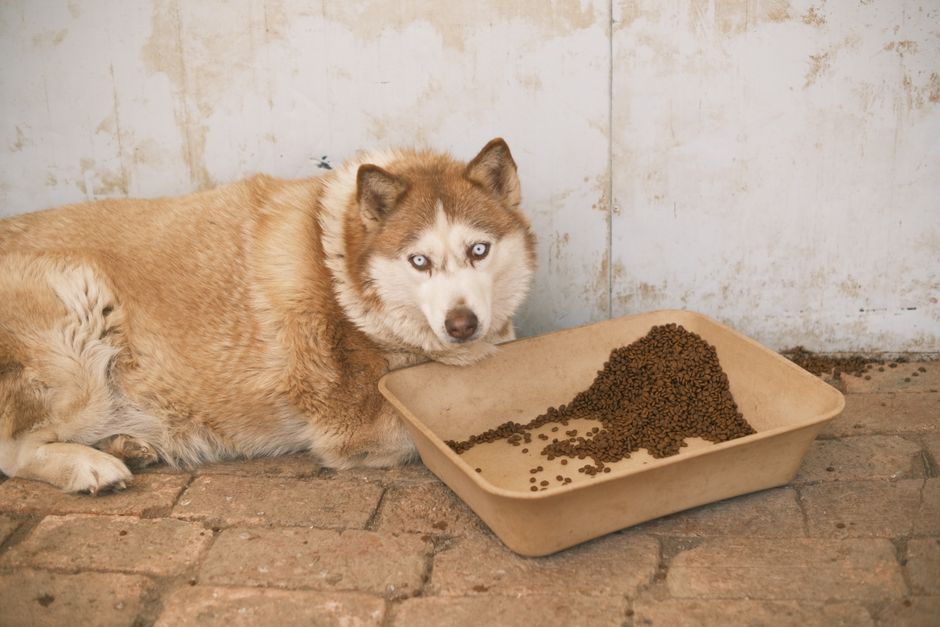
Huskies are clever dogs that may use food refusal to communicate or get what they want. Common behavioral reasons include:
- Manipulative Behavior: Some huskies quickly learn that refusing food leads to extra treats or different food. They may hold out for something better.
- Fear or Anxiety: Noise phobias (e.g., thunderstorms, fireworks) or separation anxiety can suppress appetite.
- Boredom with Diet: Eating the same food day after day can bore a husky. Adding variety or toppers can help.
- Asserting Independence: Huskies are naturally headstrong. Refusing food can be a way to assert control over their environment.
- Attention-Seeking: If you react strongly when your husky doesn’t eat, they may continue the behavior to get your focus.
Practical Tips to Encourage Eating
If your husky is healthy but still refusing food, try these strategies:
| Tip | How It Helps |
|---|---|
| Establish a Routine | Feed at the same times daily and remove the bowl after 15-20 minutes. This teaches your husky that food is available on schedule. |
| Limit Treats | Cut back on extras to ensure hunger at meal times. Use treats for training only. |
| Enhance Food Appeal | Add a small amount of warm water, low-sodium broth, or a spoonful of plain yogurt to make the food more enticing. |
| Use Food Puzzles | Make mealtime fun by using puzzle toys or scatter feeding. This taps into your husky’s natural foraging instincts. |
| Change Location | Some huskies prefer to eat in a quiet, low-traffic area away from distractions. |
| Mix Wet and Dry Food | Combining textures can stimulate appetite. Wet food has a stronger smell that may attract picky eaters. |
| Check Food Freshness | Ensure the food is not expired or rancid. Store dry food in a sealed container. |
When to Worry and Visit the Vet
While occasional food refusal is normal, certain signs warrant a veterinary visit:
- Refusing food for more than 24-48 hours
- Weight loss of more than 10% of body weight
- Lethargy, vomiting, diarrhea, or other illness symptoms
- Signs of pain or discomfort
- Excessive drooling or bad breath
Your vet can perform a physical exam, blood work, or imaging to identify any underlying conditions.
Preventing Long-Term Picky Eating
To avoid establishing a pattern of pickiness, follow these preventive measures:
- Start early: Expose puppies to several foods (within a balanced diet) to avoid neophobia.
- Avoid overindulgence: Stick to a consistent feeding schedule and avoid giving in to begging.
- Rotate proteins: If your husky is on a single protein source, consider switching occasionally (slowly) to keep meals interesting.
- Monitor health: Regular vet check-ups can catch problems before they affect appetite.
Conclusion
Understanding why your Siberian Husky is refusing food is the first step toward resolving the issue. Most causes are manageable with patience, observation, and small changes to routine or diet. However, always trust your instincts—if your husky seems unwell, seek veterinary advice promptly. With the right approach, you can help your husky develop healthy eating habits that support their long-term well-being.