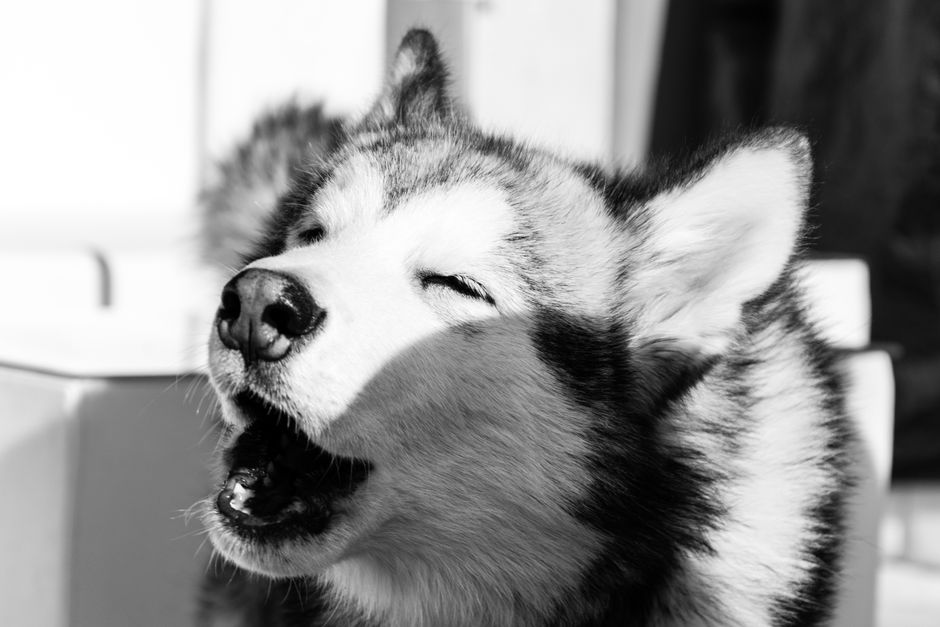
Understanding Why Huskies Bark When Left Alone
Siberian Huskies are known for their vocal nature, but excessive barking when left alone can be a sign of distress or boredom. Unlike other breeds, Huskies were bred to work in packs and communicate over long distances. When left alone, they may bark to call for their pack (you) or because they lack stimulation. Understanding the root cause is important for solving the problem.

The Root Cause: Separation Anxiety vs. Boredom
Two primary reasons drive husky barking when alone: separation anxiety and boredom. Both lead to vocalization but require different approaches.
Separation Anxiety
Separation anxiety is a genuine emotional disorder. Dogs with separation anxiety panic when their owner leaves. Symptoms include destructive chewing, scratching doors, pacing, and continuous barking or howling. Huskies are pack-oriented, making them prone to this condition.
Boredom
Boredom barking is more common among high-energy breeds like huskies. If your husky is well-exercised but still barks, it may be due to lack of mental stimulation. Boredom barking often has a rhythmic, repetitive tone compared to the frantic barking of anxiety.
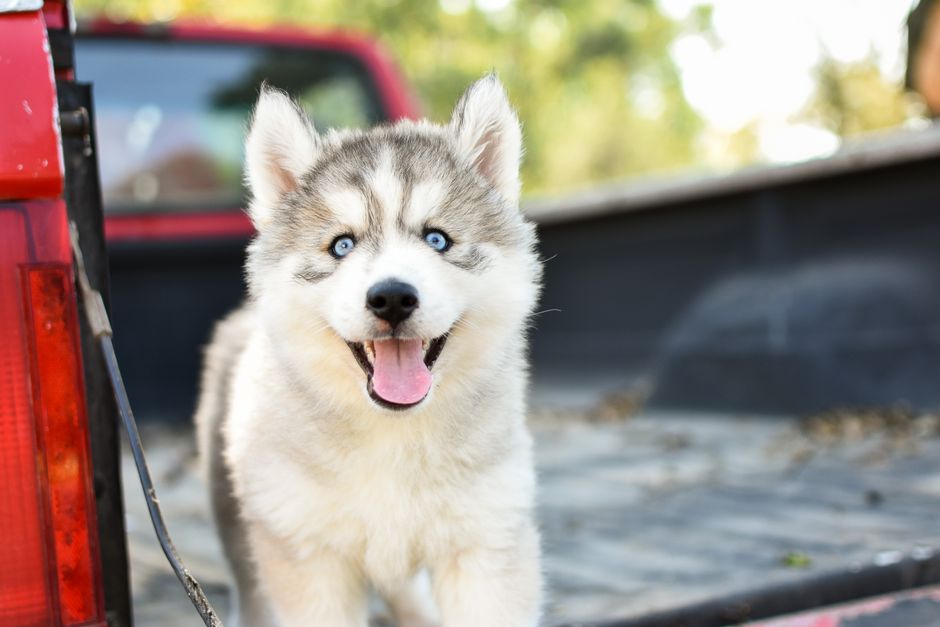
How to Tell If Your Husky Has Separation Anxiety
To differentiate, observe your husky's behavior before you leave, while you are gone (via camera), and when you return. The table below highlights key differences.
| Symptom | Separation Anxiety | Boredom |
|---|---|---|
| Starts barking immediately after you leave | Yes, often within minutes | May take longer to start |
| Follows you everywhere at home | Common | Not typical |
| Destructive behavior (chewing, digging) | Often near doors/windows | Random destruction (toys, furniture) |
| Reaction to your return | Intense, relieved greeting | Happy but not panicked |
| Barks even with plenty of exercise | Yes | Usually reduces with more exercise |
If you suspect separation anxiety, consult a veterinarian or behaviorist. For boredom, enrichment and training are the solutions.
Training Strategies to Reduce Barking
Crate Training for Comfort
A crate can become a safe den for your husky if introduced properly. Never use it as punishment. Feed your husky in the crate, leave special toys there, and gradually increase the time your dog spends inside while you are home. When you leave, provide a high-value chewy treat or a frozen Kong to keep your husky occupied.
Desensitization and Counterconditioning
Teach your husky that your departure signals something good. Start by picking up your keys or putting on your coat, then giving a treat without leaving. Gradually increase the duration. Pair your exit with a special treat (like a stuffed Kong) that your dog only gets when you leave. Over time, your husky will associate your departure with a positive reward.
Teach an "Off" or "Quiet" Cue
- Wait for your husky to bark (e.g., at a doorbell sound).
- Say "Quiet" in a calm, firm voice.
- The moment your dog stops barking, even for a second, mark with “Yes” or click and give a high-value treat.
- Repeat, gradually increasing the duration of silence required for a reward.
- Practice in different settings, including when you are about to leave.
Environmental Enrichment and Exercise
A tired husky is a quiet husky. Ensure your dog gets at least 60 minutes of vigorous exercise daily—running, hiking, or play with other dogs. Mental stimulation is equally important. Use puzzle toys, nose work games, or hide treats around the house. Rotate toys to keep them novel. Consider a dog walker or daycare if you are away for long hours.
Using Technology: Cameras and Anti-Bark Devices
Setting up a camera can help you monitor your husky's behavior. Some pet cameras allow you to speak to your dog, which can comfort a slightly anxious pup but may worsen separation anxiety if overused. Avoid shock collars—they can increase anxiety and trust issues. Instead, try a pheromone diffuser (like Adaptil) or calming music designed for dogs.
When to Seek Professional Help
If your husky's barking persists despite your best efforts, or if your dog harms himself or destroys property, consult a certified dog behaviorist or a veterinarian. They can rule out medical issues and design a customized plan. Medication may be needed in severe cases of separation anxiety, combined with behavior modification.
Conclusion
Husky barking when alone is a manageable challenge. By identifying whether the cause is separation anxiety or boredom, you can tailor your approach. Consistent training, ample exercise, and enrichment are key. Remember, patience and positive reinforcement will strengthen your bond and lead to a calmer, happier husky—and a quieter home.