Does your Siberian Husky keep you up at night with relentless barking? You're not alone. Husky nighttime barking is a common issue that can disrupt sleep and test your patience. But don't worry—with the right understanding and training, you can restore peace to your home. In this comprehensive guide, we'll explore why Huskies bark at night, common triggers, and proven strategies to reduce or eliminate this behavior. Whether you're a new Husky owner or a seasoned one, these tips will help you and your furry friend enjoy quiet nights.
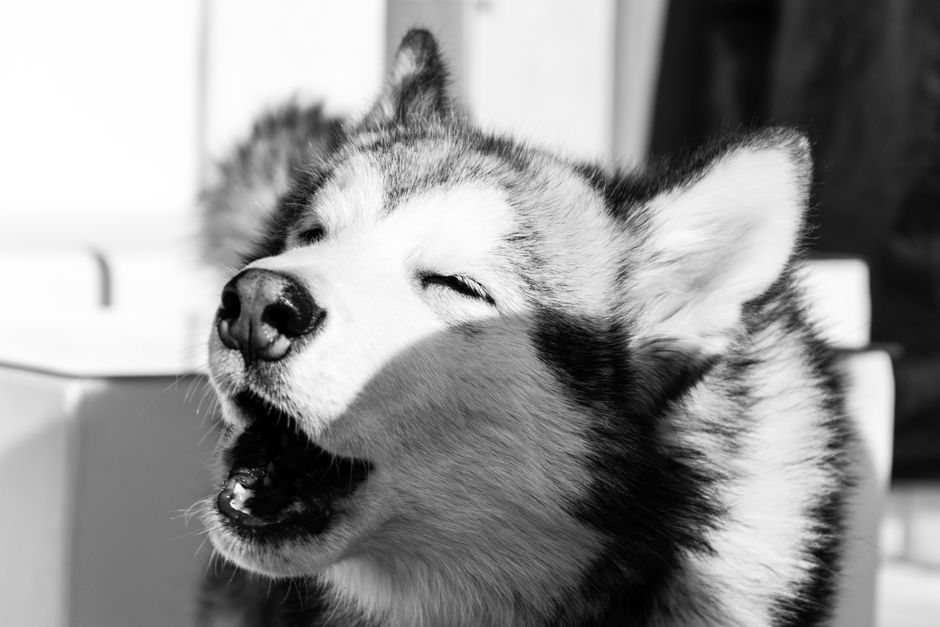
Why Do Huskies Bark at Night?
Huskies are known for their vocal nature. Unlike many breeds that bark primarily for alert or play, Huskies have a wide range of vocalizations including whining, howling, and yes, barking. Nighttime barking often stems from their ancestral instincts as sled dogs, which include pack communication and alertness to threats.
Common reasons for nighttime barking include:
- Boredom or lack of exercise: If your Husky hasn't had enough physical and mental stimulation during the day, they may release pent-up energy at night.
- Separation anxiety: Huskies are pack animals and can become anxious when separated from their owners at night.
- Territorial behavior: They may bark at noises outside, such as passing cars, animals, or even distant sounds.
- Attention-seeking: If barking has previously resulted in attention (even negative), they may continue.
- Medical issues: Pain or discomfort can cause restlessness and barking.
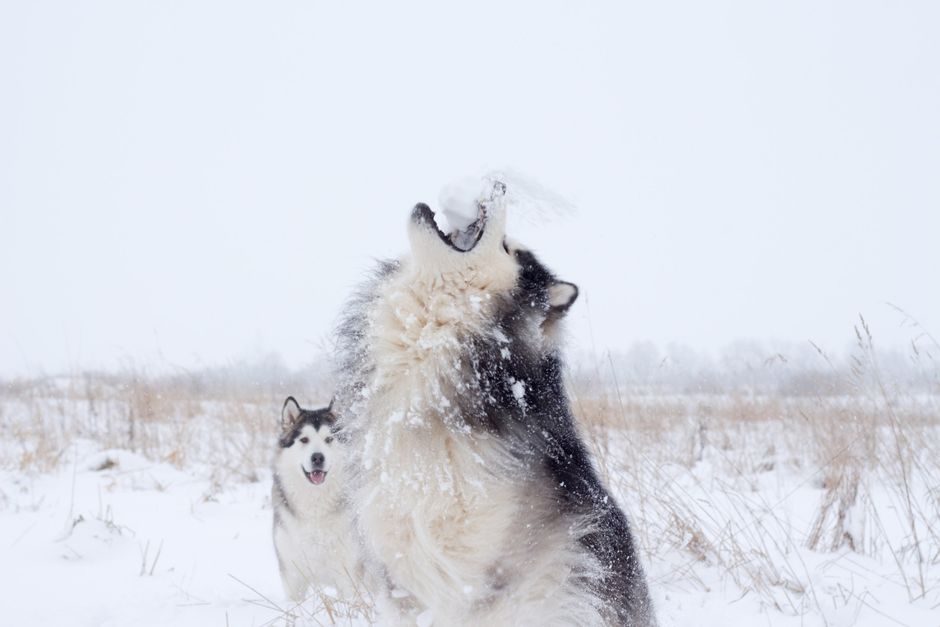
Common Triggers for Nighttime Barking
Identifying the trigger is the first step to resolving the issue. Here are the most common triggers:
| Trigger | Signs | Solution |
|---|---|---|
| Outside noises | Barking directed at windows or doors, alert posture | Soundproofing, white noise machine |
| Lack of exercise | Restlessness, pacing, frequent waking | Increase physical activity during the day |
| Separation anxiety | Barking when left alone, destructive behavior | Gradual desensitization, crate training |
| Boredom | Excessive barking without clear focus | Provide puzzle toys, training sessions |
| Medical discomfort | Whining, restlessness, frequent changes in position | Veterinary checkup |
How to Stop Your Husky’s Nighttime Barking
Effective solutions require a combination of training, environment management, and sometimes professional help. Below are detailed strategies you can implement.
Training Techniques
Positive reinforcement is key. Never punish your Husky for barking; it can increase anxiety.
- Teach the "Quiet" command: Wait for a moment of silence, say "quiet", and reward with a treat. Gradually increase the duration of silence required.
- Desensitize to triggers: If your Husky barks at outside noises, play recordings of those sounds at a low volume while rewarding calm behavior. Slowly increase volume over days.
- Reinforce calmness: Use a relaxation protocol. Encourage your dog to lie down on a mat and reward calm behavior.
- Ignore attention-seeking barking: If you suspect your Husky is barking for attention, turn away or leave the room. Only reward when they are quiet.
Environmental Adjustments
Modifying your Husky's sleeping area can significantly reduce barking.
- Create a cozy den: A crate or covered bed can make your Husky feel secure.
- Block external stimuli: Close curtains, use blackout shades, or install soundproofing materials.
- Use white noise: A fan or white noise machine masks outdoor sounds.
- Ensure comfortable temperature: Huskies can overheat; keep the room cool at night.
Health Considerations
A sudden increase in nighttime barking may indicate a health issue. Common health problems in Huskies include hip dysplasia, dental pain, or digestive discomfort.
- Schedule a vet visit: Rule out pain, arthritis, or other medical conditions.
- Check diet: Feeding too late may cause digestive upset or energy spikes. Try feeding dinner by 5 PM.
- Consider age: Puppies may need more frequent potty breaks; older dogs may have cognitive decline.
When to Seek Professional Help
If you've tried multiple strategies for several weeks with no improvement, consult a professional dog trainer or behaviorist. Signs you need help include:
- Barking accompanied by destructive behavior
- Signs of extreme anxiety (panting, pacing, drooling)
- Barking that persists despite environmental changes
- Aggression when approached during barking
A certified professional can create a tailored plan using positive reinforcement and possibly recommend calming aids like pheromone diffusers or anxiety wraps.
Conclusion
Husky nighttime barking can be exhausting, but with patience and consistency, you can reduce it significantly. Start by identifying the trigger, then implement the training and environmental changes outlined above. Remember, every Husky is unique—what works for one may not work for another. Stay positive, and don't hesitate to seek professional advice if needed. With your dedication, you and your Husky can enjoy peaceful nights together.