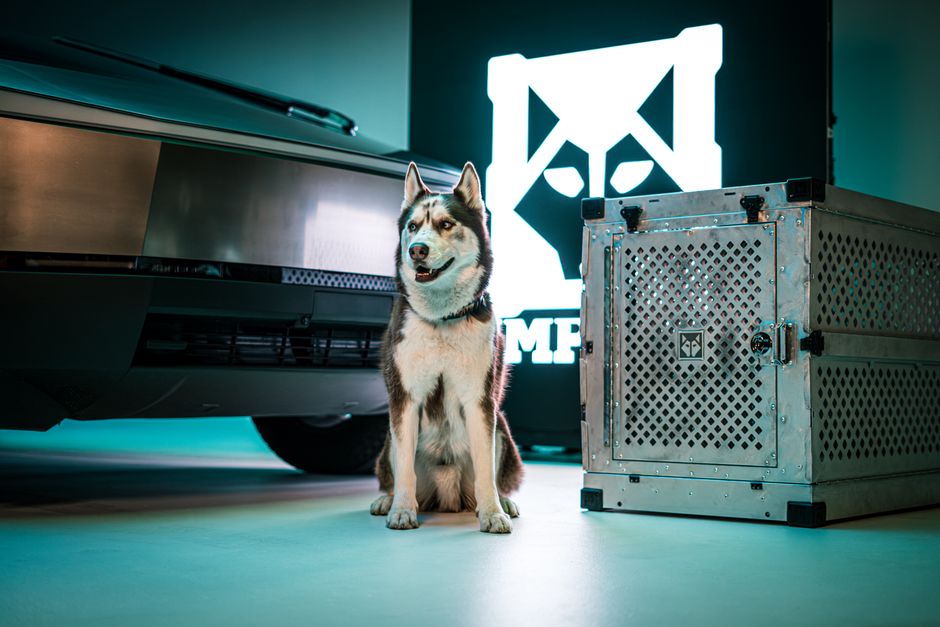
Understanding Crate Anxiety in Siberian Huskies
Crate anxiety is a common behavioral issue among Siberian Huskies, a breed known for their independence, high energy, and strong pack instincts. Unlike some dogs that view their crate as a safe den, huskies may associate it with isolation, boredom, or confinement, leading to stress. Symptoms include excessive whining, barking, drooling, destructive chewing on the crate, and attempts to escape (e.g., bending bars or breaking zippers). Recognizing these signs early is crucial to addressing the root cause.
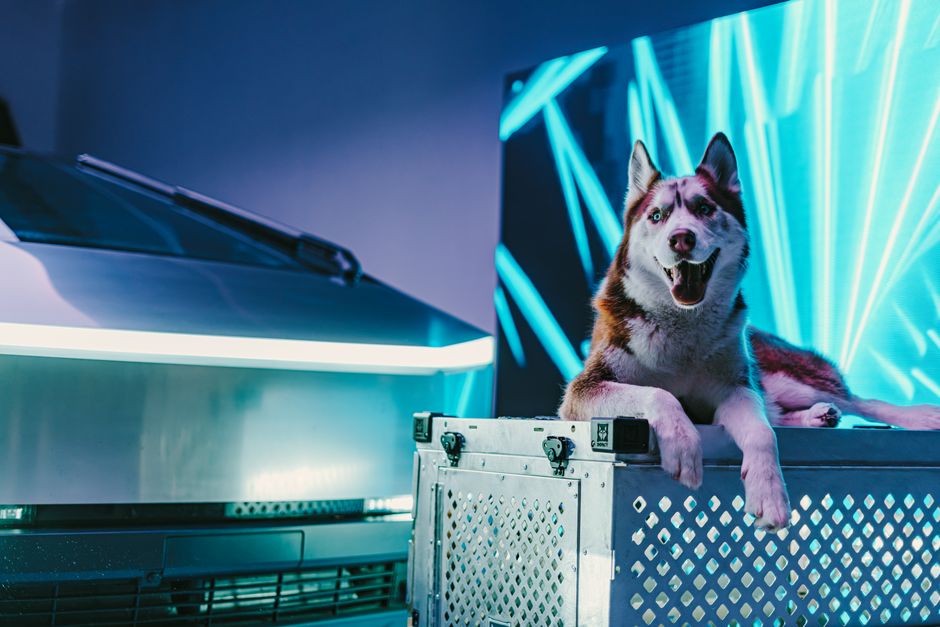
Common Mistakes Owners Make
Many owners inadvertently worsen crate anxiety through common missteps:
- Using the crate as punishment: This creates negative associations.
- Forcing the dog inside: Never push or physically place a resisting husky into the crate.
- Too long confinement: Huskies need ample exercise; prolonged crating without breaks increases stress.
- Insufficient exercise or mental stimulation: A tired husky is more likely to relax in a crate.
Understanding these errors helps in developing a more effective, compassionate approach.
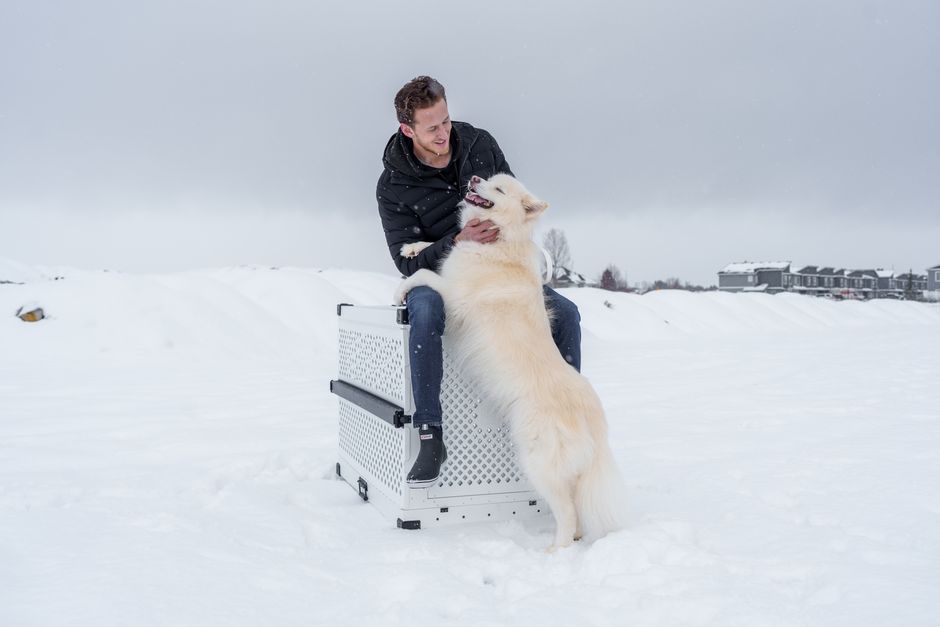
Step-by-Step Guide to Cure Crate Anxiety
1. Choose the Right Crate
Select a crate that feels secure but not isolating. Wire crates offer visibility but may feel exposed; plastic airline crates provide a den-like feel. Size matters: the crate should be large enough for the husky to stand, turn, and lie down comfortably, but not so large that it feels roomy enough for elimination. Place the crate in a family area (e.g., living room) to avoid isolation.
2. Create Positive Associations
Feed all meals inside the crate with the door open. Toss high-value treats (e.g., chicken, cheese) into the crate randomly. Place favorite toys or a Kong stuffed with peanut butter inside. The goal is to build a positive default emotion toward the crate.
3. Gradual Desensitization
Break training into tiny steps:
- Step 1: Lure the husky into the crate with the door open, reward, and let them leave freely. Repeat until they enter without hesitation.
- Step 2: Close the door for a second while they are eating, then open. Gradually increase duration to 5 seconds, 30 seconds, 2 minutes.
- Step 3: Stay in the room while the door is closed for short periods, then leave for 1 minute, increasing to 10 minutes over days.
- Step 4: Practice leaving the house for very short trips (e.g., taking out trash) and return before anxiety kicks in.
Never rush; progress at your husky’s pace. If they show stress, go back to the previous step.
4. Establish a Routine
Huskies thrive on consistency. Use a verbal cue like “crate up” before each session. Always exercise your husky before crating: a 30-minute brisk walk or run followed by a cooling-down period helps them settle. Maintain set crating times for overnight and daytime naps.
5. Use Calming Aids
Consider tools to reduce anxiety:
- Thundershirt: Gentle pressure can soothe during alone time.
- Adaptil (DAP) diffuser: Releases synthetic calming pheromones.
- White noise machine: Masks outside sounds that trigger anxiety.
- Treat-dispensing toys: Keep the dog occupied for the first 15-20 minutes of crating.
Advanced Techniques for Severe Cases
If standard desensitization fails, seek professional help. Consider counter-conditioning: pairing the crate with extremely high-value rewards (e.g., freeze-dried liver) only when the crate is present. Some dogs may benefit from anti-anxiety medication prescribed by a veterinarian, especially if they harm themselves. Always consult a certified dog behaviorist before medicating.
Preventing Crate Anxiety in Puppies
Start crate training as early as 8 weeks. Use short, positive sessions (5–10 minutes) multiple times a day. Never use the crate for time-outs. Pair crating with a special “crate-only” treat like a bully stick. Gradually increase duration as the puppy matures, and ensure they get plenty of socialization and exercise outside the crate.
When Not to Use a Crate
If your husky has severe panic attacks (e.g., self-injury, excessive drooling leading to dehydration), crating may cause more harm than good. Alternatives include a puppy-proofed room (e.g., kitchen with baby gates), x-pen with a bed, or daycare. Some dogs simply never accept crating; respect their limits and use management strategies instead.
Real-Life Tips from Husky Owners
Many owners succeed by covering the crate with a light blanket to create a cave-like environment. Others use a camera to monitor behavior and return before the dog becomes distressed. Feeding frozen Kongs or raw marrow bones inside the crate also helps. The key is patience and consistency—most huskies take weeks or months to fully adapt.
Conclusion
Crate anxiety in Siberian Huskies is challenging but treatable with a structured, empathetic approach. Focus on positive associations, gradual exposure, and meeting your dog’s physical and mental needs. Remember: the crate should be a haven, not a prison. If you’ve tried everything and anxiety persists, consult a professional behaviorist. With time, your husky can learn to rest calmly in their crate.