Why Does My Husky Keep Escaping?
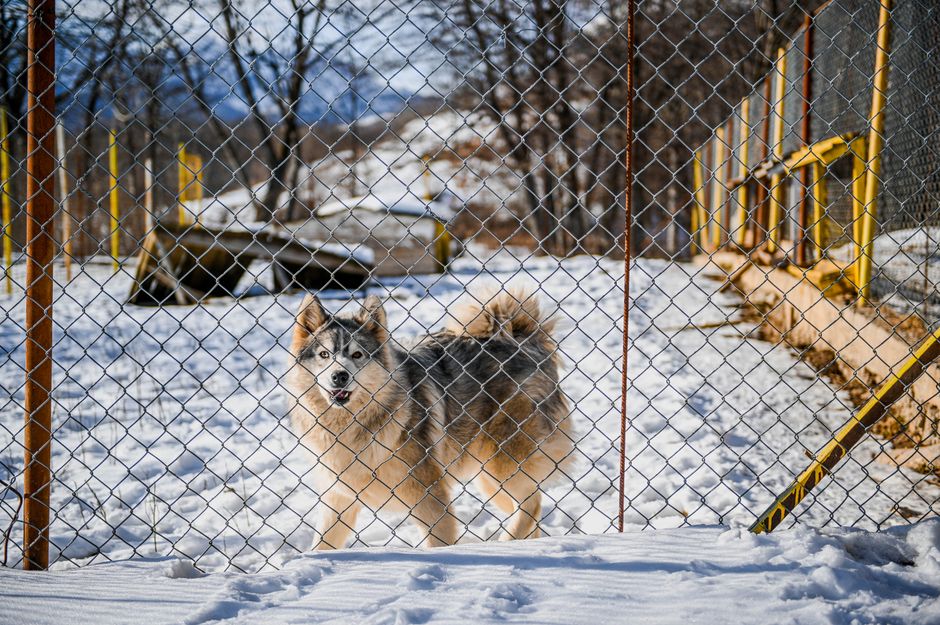
Siberian Huskies are renowned escape artists. Their independent, intelligent, and adventurous nature, combined with a high prey drive, makes them prone to finding ways out of yards. Understanding why your husky escapes is the first step to preventing it.
- High Prey Drive: Huskies were bred to pull sleds over long distances, but they also have a strong instinct to chase small animals. A squirrel or rabbit can trigger an escape attempt.
- Wanderlust and Boredom: These dogs are not meant to be sedentary. Without adequate physical and mental stimulation, they become bored and seek excitement elsewhere.
- Intelligence and Problem-Solving: Huskies are clever. They learn how to open latches, dig under fences, or jump over barriers quickly.
- Separation Anxiety: Some huskies escape to follow their owners or because they panic when left alone.
Common Escape Methods
Huskies are creative. They often use one or more of these techniques:
| Method | Description |
|---|---|
| Digging | They tunnel under fences, especially if the ground is soft or near bushes. |
| Jumping | Some huskies can clear a 6-foot fence with ease if they get a running start. |
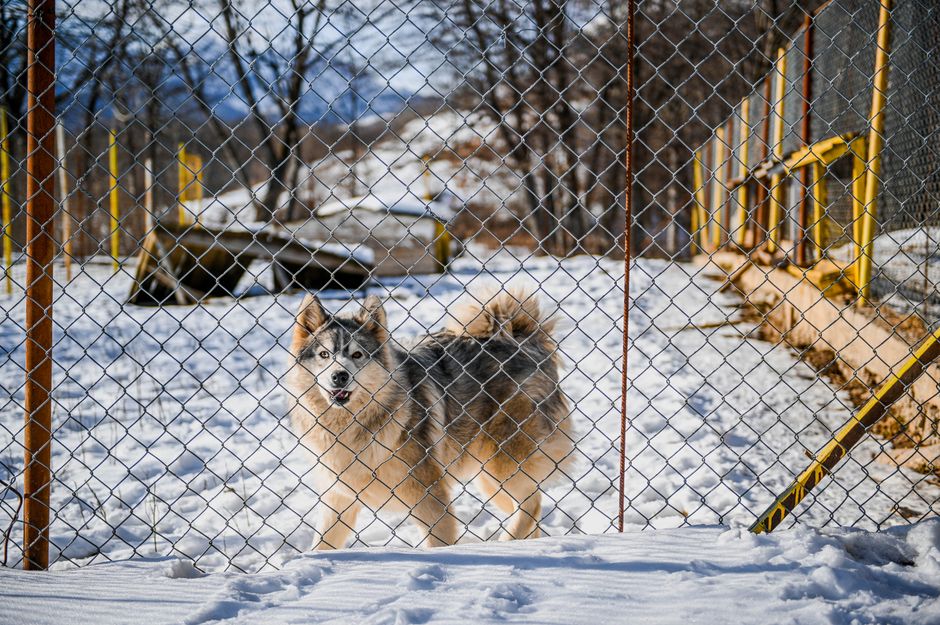
| Climbing | Chain-link fences are like ladders; they use their paws to climb over. |
| Opening Gates | They learn to lift latches or push open unlocked gates. |
How to Husky-Proof Your Yard
Prevention is key. Invest time and money into making your yard an inescapable fortress.
1. Reinforce the Fence
- Buried Fencing: Bury chicken wire or hardware cloth at least 1–2 feet deep along the fence line to prevent digging.
- Coyote Rollers: Install rollers at the top of the fence; when a husky tries to grab the top, the roller spins and they can't get a grip.
- L-Footer: Attach wire mesh along the ground extending outward (like an L shape) buried just below the soil to thwart diggers.
- Height: Ensure your fence is at least 6 feet tall. Add an angled extension (45 degrees inward) if your husky is a jumper.
2. Secure Gates
- Use double-locking latches or padlocks. Some owners add a carabiner to prevent clever noses from lifting the latch.
- Consider a spring-loaded gate closer so it always closes.
3. Eliminate Launch Points
- Remove objects near the fence like furniture, large rocks, or planters that can be used as stepping stools.
- Trim tree branches that overhang the fence.
4. Provide a Digging Pit
Give your husky an approved digging zone (like a sandbox) to satisfy their digging instinct.
Training to Curb Escape Behavior
Training alone won't stop all escapes, but it builds impulse control and strengthens your bond.
1. Reliable Recall
Practice recall daily in safe, enclosed areas. Use high-value rewards (cheese, hot dogs) and a specific cue word. Never punish when they come back, even if they escaped first.
2. Boundary Training
Walk your husky on a leash along the fence line, teaching them that the fence is the limit. Use a long line to allow exploration, but reinforce the "stay inside" command.
3. Impulse Control Exercises
Teach "leave it", "wait", and "stay" to build self-control. Use these before opening doors or gates.
4. Mental Stimulation
A tired husky is less likely to escape. Provide puzzle toys, nose work games, and training sessions daily.
The Importance of Exercise and Enrichment
Huskies need at least 1–2 hours of vigorous exercise daily. This includes running, hiking, or pulling activities (like bikejoring or canicross). Without it, they bottle up energy that fuels escape attempts. Enrichment also matters: food puzzles, chews, and interactive toys keep their mind occupied.
When Escaping Indicates a Bigger Problem
If your husky's escape attempts coincide with destructive behavior, excessive barking, or accidents indoors, they may have separation anxiety. Consult a professional trainer or veterinary behaviorist. In some cases, medication or a structured desensitization program can help.
What to Do If Your Husky Escapes
- Stay Calm: Panic won't help. Call your husky's name in a cheerful tone.
- Use a High-Value Treat or Toy: Shake a treat jar or squeak a favorite toy to lure them back.
- Never Chase: This becomes a game. Instead, run away to encourage them to follow you.
- Prevent Future Escapes: After recovery, analyze how they got out and fix the weakness.
- Equip ID: Ensure your husky has a microchip (registered and updated) and a collar with tags. Consider a GPS tracker like a Whistle or Fi collar.
Conclusion
Huskies escape because they are intelligent, energetic, and driven. While no solution is 100% foolproof, combining a secure yard, ample exercise, consistent training, and mental stimulation drastically reduces the risk. Be patient—your husky isn't misbehaving; they're following their instincts. With dedication, you can keep your furry Houdini safe at home.