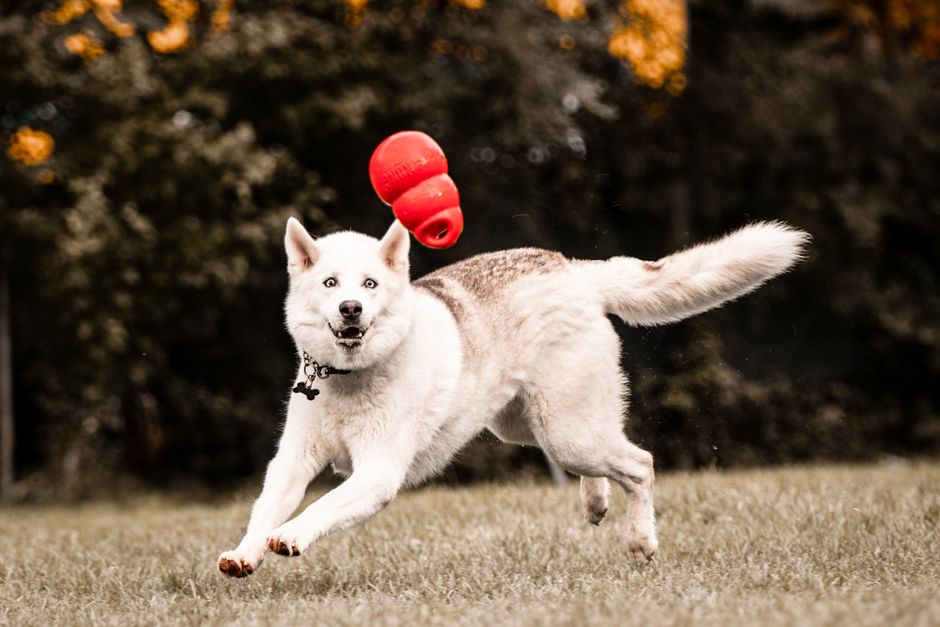
Siberian Huskies are intelligent, energetic, and independent dogs. While these traits make them wonderful companions, they also contribute to a common behavioral challenge: destructive chewing. If your husky has turned your furniture, shoes, or remote controls into chew toys, you're not alone. Understanding why huskies chew and how to redirect this instinct is key to saving your belongings and keeping your dog safe.
Why Do Huskies Chew?
Chewing is a natural behavior for all dogs, but huskies have specific drives that make them particularly prone to it. Here are the main reasons:
- Teething (Puppies): Just like human babies, husky puppies go through a teething phase between 3 and 6 months. Their gums are sore, and chewing provides relief.
- Boredom and Excess Energy: Huskies are working dogs bred for endurance. Without enough physical and mental stimulation, they channel their energy into chewing.
- Separation Anxiety: Huskies are pack animals and can become anxious when left alone. Destructive chewing often targets items with your scent, like shoes or clothing.
- Instinctual Behavior: In the wild, dogs chew to explore their environment, keep jaws strong, and entertain themselves. This instinct remains strong in huskies.
- Lack of Appropriate Chew Items: If your husky doesn't have suitable toys, they'll find their own—often your furniture.
How to Prevent Destructive Chewing
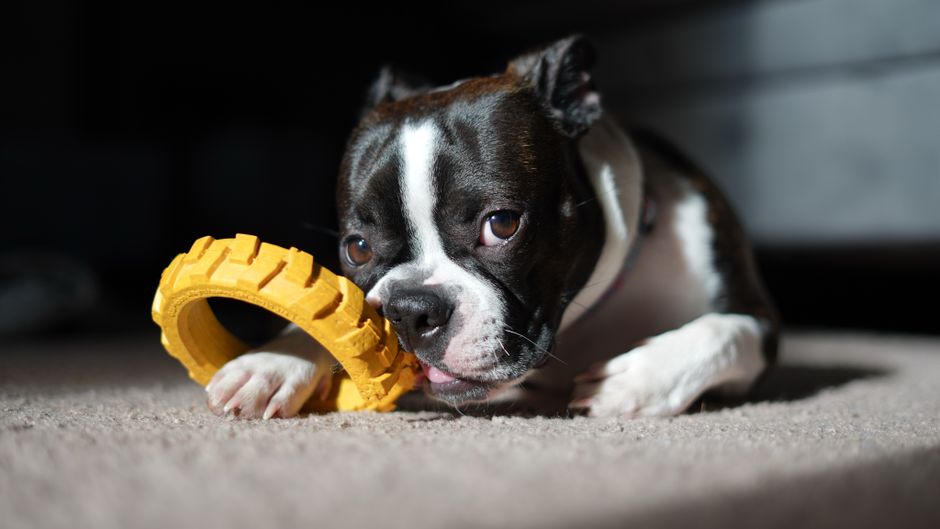
Prevention is the first line of defense. By managing your husky's environment and meeting their needs, you can dramatically reduce unwanted chewing.
Puppy-Proof Your Home
Keep valuables out of reach. Use baby gates to restrict access to certain rooms. Store shoes in closets, and keep cords and chargers off the floor.
Provide Ample Exercise
A tired husky is a well-behaved husky. Aim for at least 60–90 minutes of vigorous exercise daily. Activities include running, hiking, biking, or playing fetch. Mental exercise is equally important—puzzle toys, obedience training, and nose work tire their minds.
Establish a Routine
Huskies thrive on consistency. Feeding, walks, playtime, and training at the same times each day reduce anxiety and help your dog know what to expect.
Use Deterrents
Apply bitter-tasting sprays (like Grannick's Bitter Apple) to furniture legs, baseboards, and other tempting surfaces. Reapply as needed.
Training Your Husky to Chew Appropriately
Training is important for teach your husky what they can and cannot chew. Use positive reinforcement methods.
Redirection
When you catch your husky chewing something inappropriate, calmly say "uh-oh" or "leave it," then hand them an acceptable chew toy. Praise them enthusiastically when they take the toy. Consistency is crucial.
Teach the "Leave It" Command
Start by placing a treat in your closed hand. Say "leave it" and wait until your dog stops trying to get the treat. The moment they back away, say "yes" and give them a treat from your other hand. Gradually add distance and use it with real-world objects like shoes or remote controls.
Rotate Toys
Huskies can get bored with the same toys. Rotate them weekly to keep novelty. Introduce new toys gradually to maintain interest.
Supervised Chew Time
For high-value chews like bully sticks or raw bones, supervise to prevent choking or aggression. Use a bulletproof toy holder if needed.
Best Chew Toys for Huskies
Not all toys survive a husky's powerful jaws. Choose durable, safe options:
| Type | Examples | Notes |
|---|---|---|
| Hard Rubber | Kong Extreme, Goughnuts | Stuff with peanut butter/freeze for extra appeal |
| Nylon/Bone | Nylabone Dura Chew, Benebone | Flavored options; monitor for wear |
| Rop Toys | Mammoth Flossy Chews | Good for tug and dental health; remove frayed pieces |
| Edible Chews | Bully Sticks, Himalayan Chews | High protein; supervise to avoid choking |
| Puzzle Toys | Outward Hound Puzzle | Mental stimulation; start easy, increase difficulty |
Avoid toys that can be easily torn apart and swallowed. No rawhide for aggressive chewers—it can cause blockages.
When Chewing Indicates a Health Issue
Sometimes excessive chewing is a sign of a medical problem. Watch for these red flags:
- Pica: Compulsive eating of non-food items (e.g., rocks, fabric). Can be caused by nutritional deficiencies or gastrointestinal issues.
- Dental Problems: Broken teeth, gum disease, or oral pain may lead to chewing on hard objects to relieve discomfort.
- Allergies: Skin allergies can cause itching; chewing at paws or furniture may be a secondary symptom.
- Anxiety Disorders: Severe separation anxiety may require behavior modification or medication.
If your husky's chewing is sudden, extreme, or accompanied by other symptoms like vomiting or lethargy, consult your veterinarian.
What to Do If Your Husky Chews Something Dangerous
Despite your best efforts, accidents happen. If your husky ingests something toxic or sharp, act quickly.
- Stay Calm: Panicking can upset your dog further.
- Check for Choking: If they are gagging or pawing at their mouth, open their mouth carefully to remove the object if visible.
- Contact Your Vet or Pet Poison Helpline: Provide details about what was eaten and how much.
- Do Not Induce Vomiting: Unless instructed by a professional. Some items (like batteries or sharp objects) cause more damage coming up.
- Follow Professional Advice: You may need to bring your dog in for examination or X-rays.
Prevention is always better. Keep hazardous items like chocolate, xylitol, medications, and small plastic parts well out of reach.
Conclusion
Managing a husky's chewing problem takes patience, consistency, and understanding. By addressing the root causes—whether teething, boredom, or anxiety—you can guide your husky toward appropriate chewing habits. Provide plenty of exercise, mental enrichment, and suitable chew toys. Train with positive reinforcement and supervise when needed. Remember, you're not just saving your furniture; you're building a stronger bond with your energetic, loving husky. With time and effort, you'll turn that destructive chewer into a well-behaved companion.