Introduction
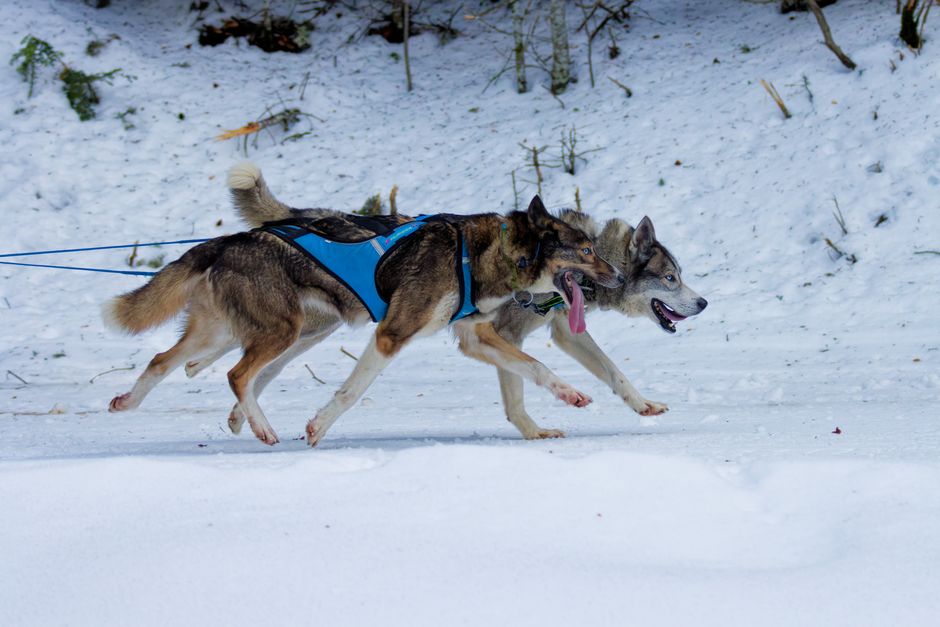
Huskies are energetic, strong, and intelligent dogs that love to pull. Whether you're walking, running, or engaging in dog sports like canicross, the right harness is essential. A poorly fitted harness can cause discomfort, chafing, or even escape. This guide will help you choose the best harness for huskies, covering types, features, fitting tips, and top recommendations.
Why Do Huskies Need a Special Harness?
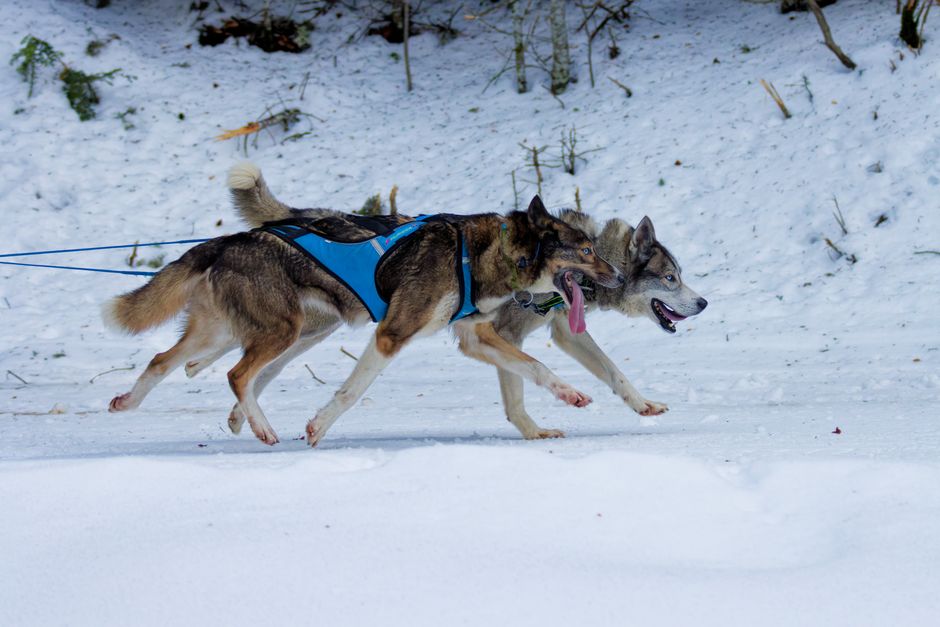
Huskies were bred to pull sleds over long distances. They have a natural instinct to pull, which makes a standard collar or cheap harness unsuitable. A proper harness distributes pressure evenly across the chest and shoulders, protecting the trachea and providing control. Look for harnesses designed for pulling or active breeds.
Types of Harnesses for Huskies
Back-Clip Harness
The D-ring is on the back. Best for well-trained dogs that don't pull. Not ideal for huskies unless they have perfect leash manners.
Front-Clip Harness
The D-ring is on the chest. Helps discourage pulling by turning the dog sideways. Good for training but may not be durable enough for strong pullers.
Dual-Clip Harness
Both front and back clips. Versatile for training and everyday walks. Many top brands offer this style.
Pulling Harness (Dryland / Canicross)
Specifically designed for pulling activities like skijoring or carting. Features a padded chest and a tug line attachment near the tail. Examples: X-back or H-back styles. These are the best for huskies who love to pull.
Key Features to Look For
- Durable Material: Nylon or polypropylene webbing with reinforced stitching.
- Padding: Breathable neoprene or fleece on chest and belly to prevent chafing.
- Adjustable Straps: At least two points of adjustment for a custom fit.
- Reflective Elements: For visibility in low light.
- Escape-Proof Design: A third strap (e.g., around the waist) for huskies that slip out.
- Handle: Top handle for quick control.
Top 5 Best Harnesses for Huskies
| Product | Type | Key Features | Best For |
|---|---|---|---|
| Ruffwear Front Range | Dual-clip | Foam padding, four adjustment points, reflective trim | Everyday walks and light pulling |
| Kurgo Tru-Fit Enhanced | Dual-clip | Padded chest, five adjustment points, crash-tested | Car travel and walks |
| Howling Dog Alaska Distance | Pulling (X-back) | Lightweight, neoprene padding, rear attachment | Canicross and skijoring |
| Non-stop Dogwear Line Harness | Pulling (Freemotion) | Adjustable, padded chest, durable | Dryland mushing |
| Julius-K9 IDC Powerharness | Back-clip with handle | Heavy-duty, waterproof, reflective, customizable patches | Professional use and strong pullers |
How to Fit a Harness Properly
- Loosen all straps before putting on.
- Place the harness over the head (or step-in style) and secure all buckles.
- Adjust the neck strap so it's snug but allows two fingers to slide under.
- Adjust the girth strap behind the ribs; should fit tightly but not restrict breathing.
- Check for excess movement—the harness should not shift more than an inch.
- Attach leash to appropriate ring.
- Observe your husky for signs of discomfort or chafing.
Training Tips for Husky on a Harness
- Condition to pull: Start with short sessions on a harness, rewarding calm behavior.
- Loose leash walking: Use front clip initially to train no pulling.
- Emergency stop: Practice a verbal cue like "stop" with a gentle leash correction.
- Never leave harness on unsupervised: Some huskies chew straps.
Frequently Asked Questions
Should I use a collar or harness for my husky?
Definitely a harness. Collars can damage the trachea due to pulling. A harness protects the neck and gives you better control.
Can a harness stop a husky from pulling?
Some front-clip harnesses discourage pulling, but no harness will magically stop a determined husky. Training is still required. For serious pullers, a pulling harness offers control via the tug line.
How often should I replace a harness?
Check for fraying, loose stitches, or weakened plastic parts. Depending on use, every 1-3 years.
Conclusion
The best harness for huskies combines durability, comfort, and appropriate design for your activity. For casual walks, a dual-clip harness like the Ruffwear Front Range works well. For pulling sports, invest in a dedicated canicross harness like Howling Dog Alaska Distance. Always prioritize fit and safety. With the right harness, you and your husky can enjoy many adventures together.