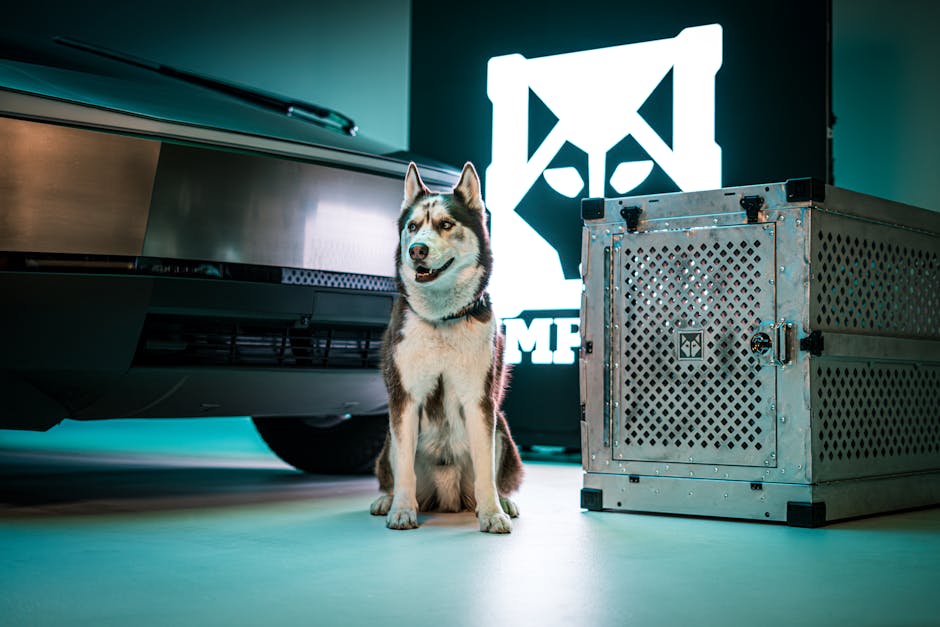
Why Crate Training is Essential for Huskies
Huskies are intelligent, energetic, and independent dogs. While they may resist confinement at first, a properly chosen crate becomes a safe haven for your Husky. Crate training helps with housebreaking, prevents destructive behavior when unsupervised, and provides a den-like space where your dog can relax. It's also invaluable for travel and vet visits. However, not all crates are created equal—Huskies need a robust, secure crate that can withstand their escape artist tendencies.
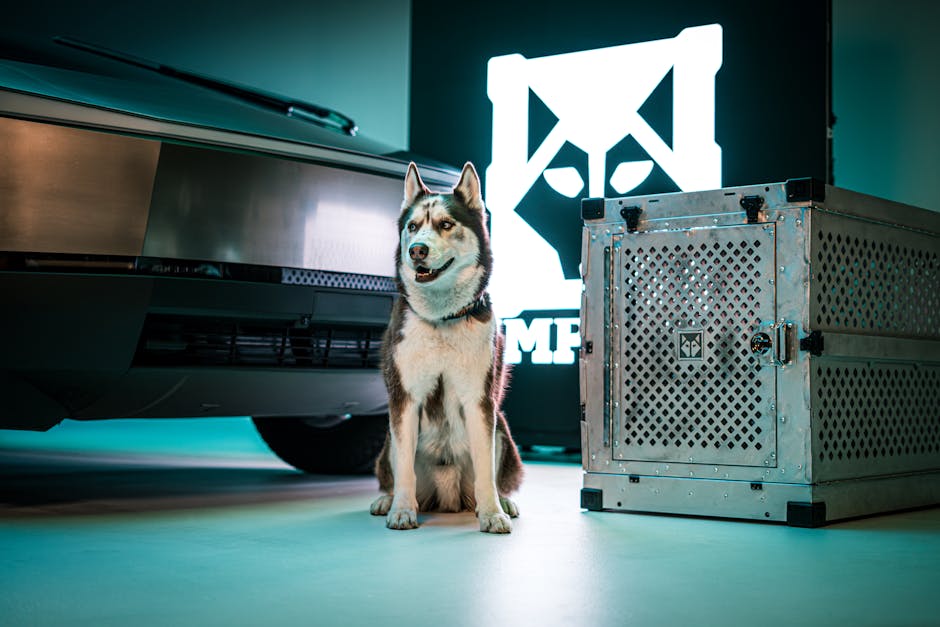
Key Features to Look for in a Husky Crate
Size and Space
Your Husky needs enough room to stand up, turn around, and lie down comfortably. For an adult Husky (typically 45–60 lbs), a crate measuring 36–42 inches in length is ideal. If your Husky is still growing, opt for a crate with a divider panel to adjust the space. A crate that's too large can undermine training, allowing your dog to use one end as a bathroom.
Material and Durability
Huskies are powerful and clever—they can chew through flimsy plastic or bend thin wire. Look for heavy-duty materials such as 10-11 gauge welded wire, reinforced aluminum, or high-impact plastic. Some Huskies may require an escape-proof crate with locking mechanisms and thicker bars.
Ventilation and Visibility
Good airflow is crucial to prevent overheating, especially for a double-coated breed like the Husky. Wire crates offer maximum ventilation, while plastic crates should have adequate windows. Visibility also matters; dogs that can see their surroundings feel less anxious. Many Huskies prefer a crate with good visibility, but some like a covered den—consider a crate with a removable cover.
Portability and Storage
If you travel often, a collapsible wire crate or a lightweight plastic airline-approved crate is practical. Foldable crates are easier to store and move. However, balance portability with durability—some travel crates may not withstand a determined Husky.
Safety Features
Ensure the crate has no sharp edges, a secure door latch, and a recessed or protected lock to prevent paw manipulation. For wire crates, check that the pan is leak-proof and easy to clean. Plastic crates should have strong metal bolts, not plastic clips.
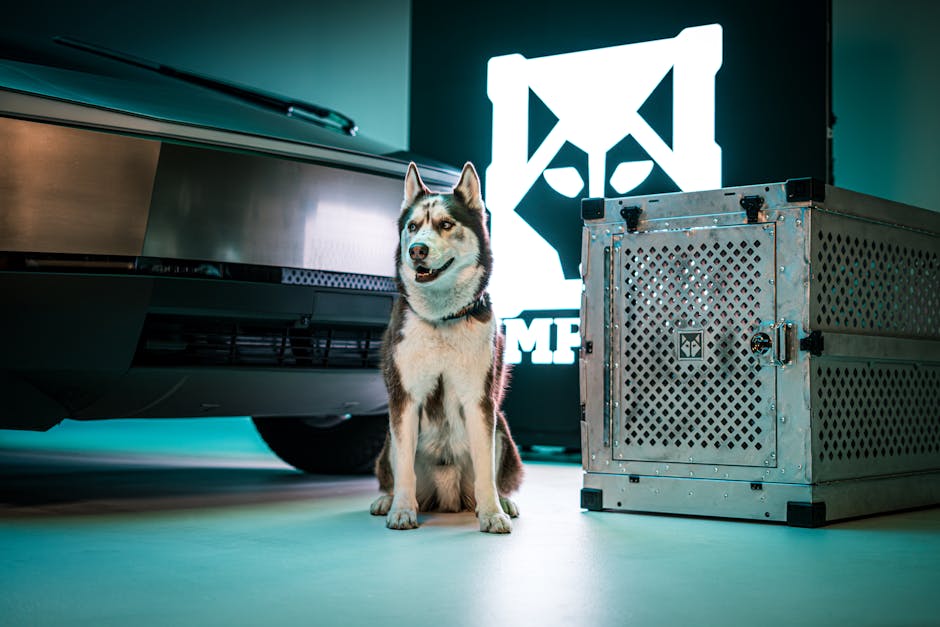
Types of Crates Suitable for Huskies
Wire Crates
Most popular type. Excellent ventilation, visibility, and often folding for storage. However, some Huskies can learn to open the latch or bend wires. Choose a heavy-duty wire crate with a double-lock door. Add a crate mat for comfort.
Plastic/Vari-Kennels
Common for air travel. They offer a darker, den-like environment that can be calming. But ventilation is limited, and many Huskies find them too enclosed. The plastic can be chewed if your dog is anxious. Only use high-quality brands like Petmate or Gunner.
Heavy-Duty Crates
Designed for escape artists. Made of thick metal tubing, reinforced locks, and often non-slip flooring. Brands like Impact, ProSelect, or Ruff Land are top-tier. They are expensive but virtually indestructible for Huskies. Great for strong chewers or anxious dogs.
Soft-Sided Crates
Not recommended for Huskies. They are easily torn, chewed, and escaped. Huskies can shred fabric quickly. Only use for short-term, supervised situations if your Husky is well-trained and calm.
Top Recommended Crates for Huskies
| Crate Model | Type | Size Options | Key Features | Best For |
|---|---|---|---|---|
| Midwest Homes for Pets Ultima Pro | Wire | 36", 42" | Double doors, slide-bolt latches, raised pan | Budget-friendly, durable wire option |
| Petmate Vari-Kennel Ultra | Plastic | Medium, Large | Airline approved, secure door, ventilation | Traveling, calm Huskies |
| Gunner G1 Kennel | Heavy-Duty | Intermediate, Large | Rotomolded plastic, aircraft aluminum door | Car travel, extreme security |
| Impact Collapsible Crate | Heavy-Duty | 36", 42" | 10-gauge steel, powder coat, escape-proof | High chewers, escape artists |
| Ruff Land Kennel | Heavy-Duty | Intermediate, Large | Polyethylene, stainless steel hardware | Field use, outdoor dogs |
How to Choose the Right Size Crate
Measure your Husky from nose to base of tail, and from floor to top of head (standing). Add 2-4 inches for comfort. For a typical Husky, a 36-inch crate works for smaller females (35-45 lbs), while 42-inch is better for larger males (50-60 lbs). Use a divider for puppies until they are fully grown. Never choose a crate that forces your dog to hunch.
Crate Training Tips for Your Husky
- Introduce slowly: Place the crate in a busy area, toss treats inside, and let your Husky explore at their own pace. Keep the door open initially.
- Make it comfortable: Add a crate mat or bed, but avoid large pillows that can be shredded. A Kong stuffed with peanut butter can create positive associations.
- Short sessions: Start with 5-10 minutes while you're home, then gradually increase duration. Never force your dog in.
- Use a command: Say “crate” or “kennel” and reward when they enter. Practice daily.
- No punishment: Never use the crate as a timeout zone. It should be a safe space.
- Cover if needed: Some Huskies settle better when the crate is covered with a breathable sheet. Ensure airflow.
- Exercise first: A tired Husky is more willing to rest in the crate. Provide plenty of mental and physical activity before crating.
Common Crate Training Mistakes to Avoid
- Using the crate too early: Make sure your Husky is comfortable before closing the door.
- Leaving them too long: Huskies have high energy; they shouldn't be crated for more than 4-6 hours at a time (puppies less).
- Inconsistent schedule: Stick to a routine. Crating at random times can cause anxiety.
- Ignoring signs of distress: Whining, barking, or panting may indicate discomfort. Assess if needs are met (potty, water, exercise).
- Choosing the wrong crate: A flimsy crate leads to escapes and injuries. Invest in quality.
Frequently Asked Questions
Can a Husky stay in a crate while I'm at work?
Only if you can come home mid-day or hire a dog walker to break up the time. Huskies are social and need interaction. Crate time should not exceed 4-6 hours during the day.
Should I get a wire or plastic crate for my Husky?
Wire is generally better for ventilation and visibility. Plastic is good for travel and anxious dogs who prefer a den, but ensure it's high quality to prevent chewing.
How do I stop my Husky from escaping the crate?
Reinforce weak points with carabiners or zip ties, upgrade to a heavy-duty crate, and address the root cause of anxiety. Consult a trainer if escape attempts persist.
What size crate fits in an SUV?
Measure your vehicle's cargo area. A 36-42 inch crate may fit in larger SUVs. Foldable crates are easier to manage. For frequent car travel, a crash-tested crate like the Gunner is safest.