Choosing the best leash for your Siberian Husky is not just about style—it's about safety, control, and durability. Huskies are known for their strength, independence, and tendency to pull. A standard flimsy leash can snap, slip, or even injure you. This guide will help you select the perfect leash that withstands your Husky's power while keeping both of you comfortable and secure.
Why Huskies Need Special Leashes
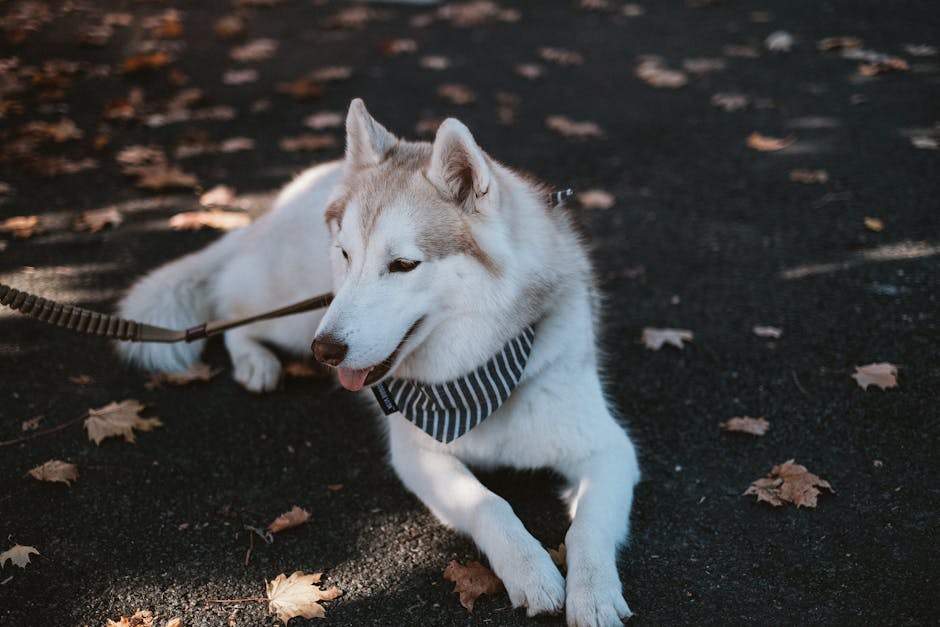
Siberian Huskies were bred to pull sleds over long distances. This instinct remains strong even in pet Huskies. They are escape artists, can chew through weak materials, and have a high prey drive. A leash designed for a calm Labrador may not survive a Husky's sudden sprint after a squirrel. Features like strong hardware, secure connections, and comfortable handles are non‑negotiable.
Types of Leashes for Huskies
Standard Flat Leashes
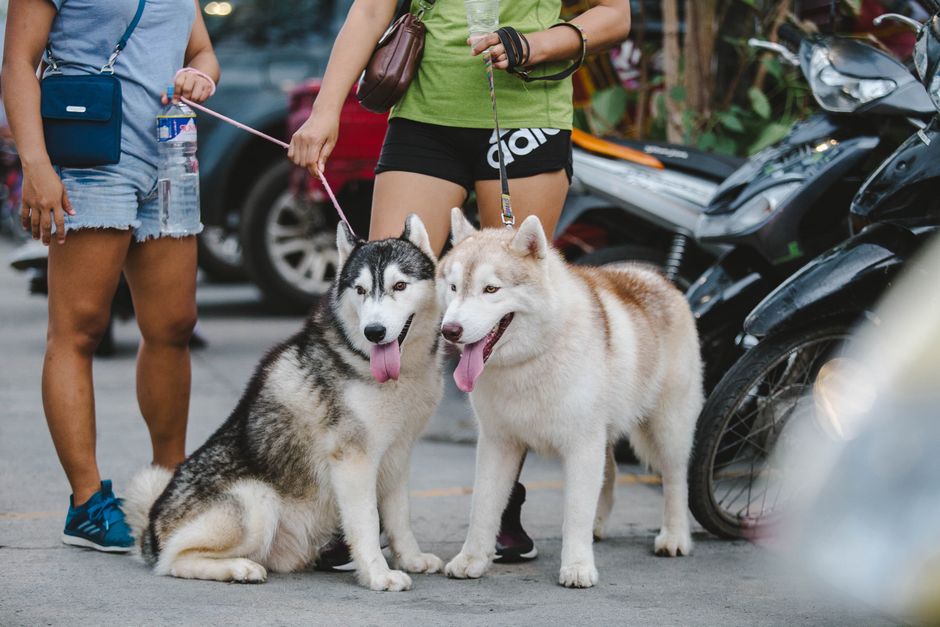
The most common type, typically 4–6 feet long. Look for heavy‑duty nylon or leather with reinforced stitching. Avoid thin, cheap nylon that can cut into your hands. A 5‑foot length offers good control without being too short.
Traffic or Short Handles
These leashes have a second handle near the collar clip for close control in crowded areas. Ideal for busy streets or vet visits. Choose models with padded handles for comfort when your Husky pulls.
Hands‑Free Leashes
Great for jogging or hiking. A waist belt distributes your Husky's pulling force across your core, reducing strain on your arms. Look for a bungee section to absorb sudden tugs. Ensure the belt is adjustable and the connection is secure.
Retractable Leashes (Not Recommended)
Most trainers advise against retractable leashes for Huskies. The thin cord can cause severe burns if wrapped around skin, and the locking mechanism may fail under tension. Your Husky can easily break the plastic handle. Stick to fixed‑length leashes for safety.
Chain Leashes
For extreme chewers, a chain leash with a vinyl coating can be a good option. However, chains are heavy and can be uncomfortable to hold. Reserve this for training or temporary use.
Key Features to Look For
- Strong Hardware: Look for heavy‑duty metal clips (brass or stainless steel) that won't rust or break. Bolted snaps are better than swivel clips for holding large dogs.
- Reinforced Stitching: Double or triple stitching at stress points prevents unraveling.
- Comfortable Handle: Padded handles (neoprene or leather) reduce hand fatigue. Some have a wrist loop for extra security.
- Length: For daily walks, 4–6 feet is ideal. 8‑foot leashes give more freedom but less control. For training, a 6‑foot leash is versatile.
- Reflective Elements: important for early morning or evening walks. Reflective stitching or strips improve visibility.
- Escape‑Proof Design: Some leashes have double‑clip systems or a security loop that attaches to your Husky's harness in addition to the collar. This redundancy prevents accidental unhooking.
Top Leash Recommendations for Huskies
Here are some of the best leashes that meet the demands of a Husky's strength and intelligence. Prices may vary.
| Product | Material | Length | Key Feature | Best For |
|---|---|---|---|---|
| Kurgo Quantum Leash | Nylon with reflective webbing | 5 ft | Six different configurations (hands‑free, traffic handle, etc.) | Versatility |
| Mighty Paw Big Dog Leash | Heavy‑duty nylon with padded handle | 5 ft | Reflective thread and sturdy clip | Strong pullers |
| Ruffwear Knot‑a‑Leash | Polyester rope with reflective strands | 5.5 ft | Escape‑proof cable knot and comfortable grip | Canicross and hiking |
| Blueberry Pet Classic Leash | Nylon with matching collar sets | 4, 5, 6 ft | Lots of colors; decent strength for the price | Budget‑friendly |
| Bolt Bungee Dog Leash | Nylon with bungee section | 5 ft | Shock‑absorbing bungee reduces pulling impact | Jogging or sensitive joints |
Leash Training Tips for Huskies
Even the best leash won't solve all problems. Proper training is essential. Here are tips tailored for Huskies:
- Start with a Harness: A no‑pull harness is safer for a Husky's neck than a collar. Connect the leash to the front ring to discourage pulling.
- Use a Martingale Collar: If using a collar, a martingale (limited‑slip) prevents slipping out while being gentler than a choke chain.
- Teach Loose‑Leash Walking: Huskies are smart but stubborn. Use high‑value treats and stop walking when they pull. Reward when the leash slackens.
- Practice in Low‑Distraction Areas: Start in your yard, then gradually add distractions.
- Never Yank the Leash: Huskies may instinctively pull harder. Instead, change direction or stop until they focus on you.
- Provide Plenty of Exercise: A tired Husky is easier to manage. Burn off energy before training sessions.
Conclusion
Finding the best leash for your Husky requires balancing strength, comfort, and safety. Avoid retractable leashes and focus on durable materials with secure hardware. Combine your leash choice with consistent training, and you'll enjoy stress‑free walks with your spirited companion. For most owners, a 5‑foot reflective nylon leash with a padded handle offers the best mix of control and longevity. Invest wisely—your Husky's next squirrel chase might depend on it!
Recommended Products for Your Husky
As an Amazon Associate, we earn from qualifying purchases. Learn more.
- Heavy Duty Dog Leash — Check price on Amazon
- Retractable Leash — Check price on Amazon
- Double-Handle Leash — Check price on Amazon
Frequently Asked Questions
Do I need a special harness?
Yes — a front-clip no-pull harness controls pulling without choking. Avoid collars for leash training this breed.
What size crate for a Husky?
A 48-inch crate fits most adults. They should stand, turn, and lie down comfortably without excess room to soil a corner.
Should I get a GPS tracker?
For an escape-prone breed, a GPS collar is cheap insurance. Look for long battery life and real-time tracking.
Editor's Note
We've learned the hard way that a harness left on an unsupervised husky is a blockage risk. Chewed straps swallowed are a surgery we've helped owners avoid by saying 'take it off indoors' from day one.
Sources & Further Reading
HuskySpot researches each topic against recognized breed and veterinary authorities. The following organizations inform our content: