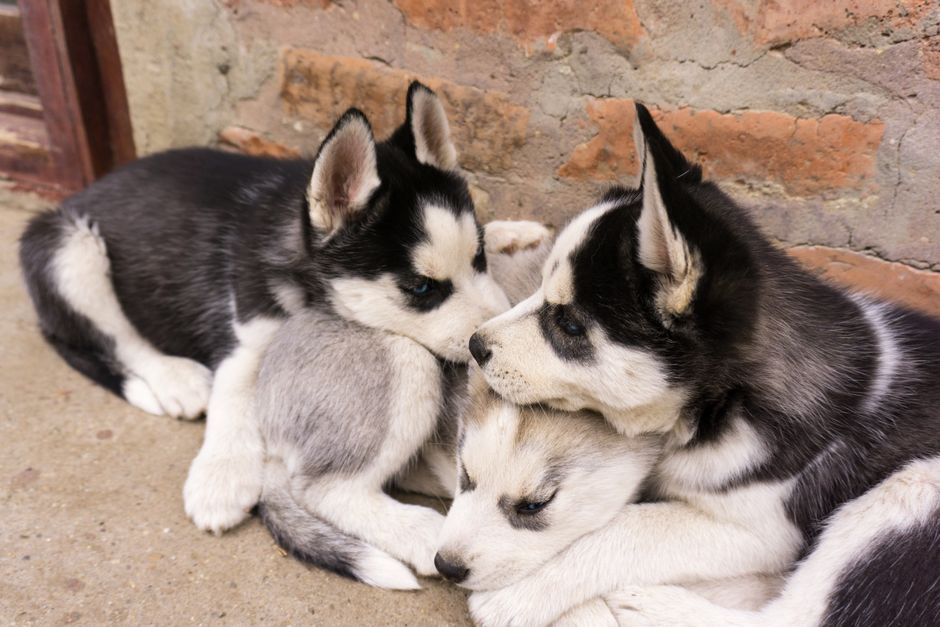
Why Is Your Husky Licking Paws Constantly?
As a devoted Husky owner, you've probably noticed your furry friend spending an unusual amount of time licking their paws. While occasional grooming is normal, constant licking can signal an underlying issue that needs attention. Huskies are known for their intelligence and stubbornness, but excessive paw licking is more than a quirky habit—it's a cry for help. This guide explores the reasons behind this behavior, how to identify the culprit, and practical steps to soothe your Husky's paws.
Common Causes of Excessive Paw Licking in Huskies
Understanding the root cause is the first step to solving the problem. Here are the most common reasons why your Husky might be licking their paws constantly.
1. Allergies
Huskies are prone to allergies, which can manifest as itchy paws. Common allergens include:
- Environmental: Pollen, grass, dust mites, mold.
- Food: Beef, chicken, dairy, wheat, soy.
- Contact: Cleaning products, lawn chemicals, fabrics.
Allergic reactions cause inflammation and itching, leading your Husky to lick and chew their paws for relief.
2. Skin Infections
Moisture trapped between paw pads can create a breeding ground for bacteria and yeast. Signs of infection include redness, swelling, discharge, and a foul odor. Infections often develop after walks on wet grass or after bathing without thorough drying.
3. Injuries or Foreign Objects
Your Husky may have stepped on a thorn, glass shard, or sharp stone. Check for cuts, splinters, or embedded foxtails. Licking is a natural response to pain or discomfort.
4. Parasites
Mites, fleas, and ticks can cause intense itching, especially between toes. Look for tiny black specks (flea dirt) or visible insects.
5. Boredom or Anxiety
Huskies are active working dogs. If they lack mental stimulation or exercise, they may develop obsessive behaviors like paw licking. Separation anxiety can also trigger this compulsive action.
6. Dry or Cracked Pads
Harsh weather (hot pavement, ice, salt) can damage paw pads, causing dryness and cracking. Licking provides temporary moisture but worsens the condition.
How to Diagnose the Cause at Home
Before visiting the vet, conduct a thorough examination:
- Visual check: Gently spread the toes and look for redness, swelling, cuts, or foreign objects.
- Smell test: A yeasty or foul odor indicates infection.
- Observe behavior: Does your Husky lick more after walks, eating, or when left alone? This can pinpoint triggers.
- Elimination diet: If you suspect food allergies, try a novel protein diet for 8-12 weeks under veterinary guidance.
Keep a journal of when licking occurs and any other symptoms like sneezing, ear infections, or skin rashes.
Practical Tips to Stop Your Husky From Licking Paws
Once you've identified the cause, implement these remedies:
For Allergies
- Use hypoallergenic wipes after walks to remove allergens.
- Switch to a limited-ingredient or grain-free diet.
- Try vet-recommended antihistamines (e.g., cetirizine) after consulting your vet.
- Apply a topical anti-itch spray containing oatmeal or aloe vera.
For Infections
- Clean paws with a vet-approved antiseptic solution.
- Soak paws in a mixture of warm water and Epsom salts for 5-10 minutes.
- Keep paws dry, especially after baths and walks.
- Your vet may prescribe antifungal or antibacterial ointments or oral medications.
For Injuries
- Remove foreign objects gently with tweezers.
- Clean minor cuts with saline and apply a pet-safe bandage.
- If bleeding or limping occurs, see a vet immediately.
For Behavioral Issues
- Increase physical exercise: At least 1-2 hours of vigorous play or running daily.
- Provide mental stimulation: Puzzle toys, obedience training, or nose work.
- Use bitter-tasting sprays on paws to deter licking temporarily.
- If anxiety is severe, consult a behaviorist or try calming supplements like CBD or L-theanine.
General Paw Care
- Moisturize dry pads with coconut oil or vet-recommended balms.
- Avoid walking on salted roads; use dog booties if necessary.
- Trim hair between paw pads to reduce moisture buildup.
When to See a Veterinarian
Consult your vet if:
- The licking persists despite home care.
- You notice swelling, bleeding, or discharge.
- Your Husky is limping or shows signs of pain.
- There is hair loss or skin thickening.
- You suspect an allergy but can't identify the trigger.
Your vet may perform skin scrapes, allergy tests, or prescribe medication to relieve symptoms quickly.
Prevention: Keeping Your Husky's Paws Healthy
- Inspect paws daily after walks.
- Dry paws thoroughly, especially between toes.
- Maintain a balanced diet rich in omega-3 fatty acids for skin health.
- Provide regular exercise and mental engagement.
- Use vet-approved flea and tick prevention year-round.
Conclusion
Constant paw licking in Huskies is a symptom, not a disease. By addressing the root cause—whether it's allergies, infection, injury, or boredom—you can help your companion find relief. Monitor your Husky's behavior, implement practical solutions, and don't hesitate to seek professional help when needed. With proper care and attention, your Husky's paws will stay healthy and happy.
Recommended Products for Your Husky
As an Amazon Associate, we earn from qualifying purchases. Learn more.
- Husky Care Essentials — Check price on Amazon
- Best-Selling Dog Gear — Check price on Amazon
- Newest Husky Products — Check price on Amazon
Frequently Asked Questions
How do I spot illness early?
Watch for appetite loss, lethargy, vomiting, diarrhea, limping, or eye changes. Huskies hide pain, so subtle shifts matter.
Are Huskies prone to eye problems?
Yes — cataracts and progressive retinal atrophy occur in the breed. Annual eye exams by a veterinary ophthalmologist are wise.
How do I maintain dental health?
Brush teeth 2–3 times weekly, offer dental chews, and schedule professional cleanings. Small breeds aren't the only ones with tartar.
Editor's Note
Our editors keep a poison cheat-sheet on the fridge: grapes, xylitol, onions, antifreeze. We've talked more than one panicked owner down from a grape incident. Knowing the number for poison control beats Googling it mid-crisis.
Sources & Further Reading
HuskySpot researches each topic against recognized breed and veterinary authorities. The following organizations inform our content: