Understanding Hair Loss in Siberian Huskies
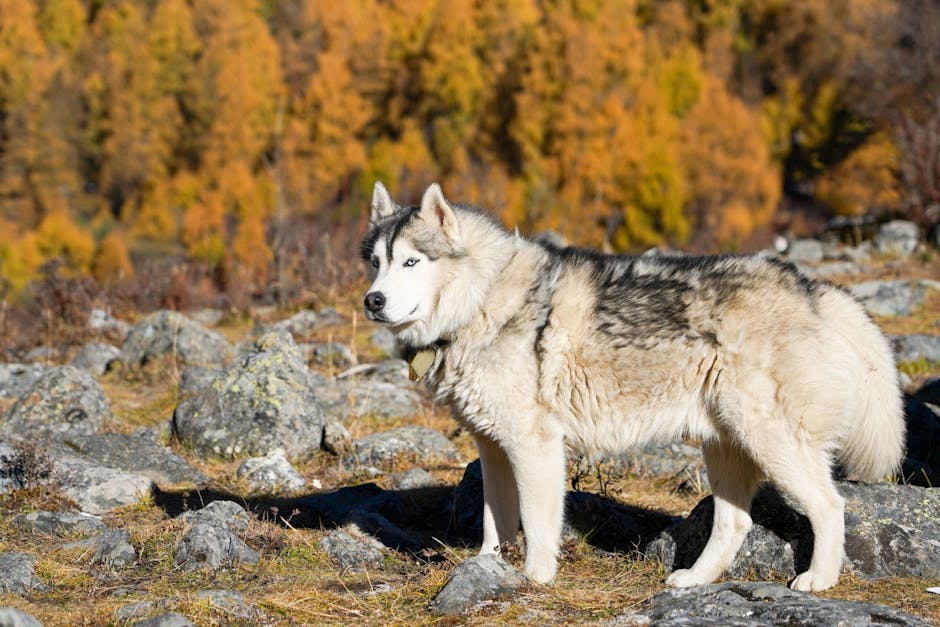
Siberian Huskies are known for their luxurious double coat, but when that coat starts thinning or falling out excessively, it can be alarming for owners. While some shedding is normal—especially during seasonal blowouts—persistent or patchy hair loss may indicate an underlying health issue. In this guide, we’ll explore the common causes of hair loss in Huskies, from simple shedding to medical conditions, and provide actionable steps to help your dog maintain a healthy coat.
Normal Shedding vs. Problematic Hair Loss
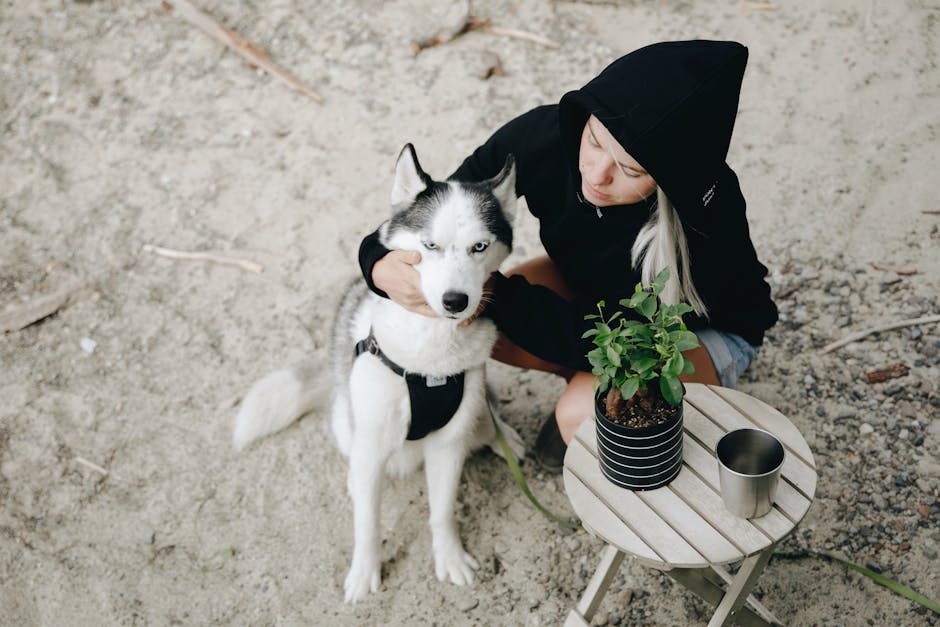
Huskies shed their undercoat heavily twice a year (spring and fall). This is called “blowing coat.” During these periods, you’ll see clumps of fur coming out, but the skin underneath should be pink and healthy. Problematic hair loss, on the other hand, often appears as bald patches, thinning over the body, or red, inflamed skin.
Signs of Abnormal Hair Loss
- Bald spots or symmetrical thinning on both sides of the body
- Excessive scratching, licking, or chewing at the skin
- Redness, bumps, scabs, or dandruff
- Brittle, dry, or greasy coat
- Hair loss that doesn’t follow seasonal patterns
Common Causes of Hair Loss in Huskies
1. Nutrition & Diet Deficiencies
A poor diet lacking essential fatty acids (omega-3 and omega-6), protein, zinc, and vitamins can lead to a dull, thinning coat. Huskies require high-quality dog food with animal-based protein and supplemented fish oil. Deficiencies in zinc are particularly common in this breed.
Tip: Look for foods with named meat sources, and consider adding a vet-approved omega-3 supplement.
2. Allergies (Environmental & Food)
Huskies are prone to allergies, which often manifest as skin problems. Environmental allergens (pollen, dust mites, mold) and food allergens (chicken, beef, dairy, grains) can cause itching, redness, and hair loss, especially on the paws, belly, and ears.
Management: Work with your vet to identify triggers. Allergy testing, elimination diets, and antihistamines or medicated shampoos may help.
3. Parasitic Infestations
Fleas, mites, and ticks can cause severe itching and hair loss. Sarcoptic mange (scabies) and demodectic mange (demodex) are common in dogs with weak immune systems. Mites burrow into the skin, leading to patchy hair loss and crusty lesions.
Treatment: Prescription flea/tick prevention, medicated dips, and oral or topical treatments from your veterinarian.
4. Hormonal Imbalances
Conditions like hypothyroidism (underactive thyroid) and Cushing’s disease (overproduction of cortisol) can cause symmetrical hair loss on the trunk, tail, and hind legs. Other symptoms include weight gain, lethargy, and skin darkening.
Diagnosis: Blood tests can confirm these disorders, and medications can manage them.
5. Stress or Anxiety
Behavioral issues like excessive licking, chewing, or pulling out fur (acral lick dermatitis) often stem from boredom, separation anxiety, or stress. This can create localized bald spots, especially on the front legs.
Solutions: Increase exercise, mental stimulation (puzzle toys), and consider calming supplements or behavior modification.
6. Infections (Bacterial & Fungal)
Skin infections such as pyoderma (bacterial) or ringworm (fungal) can cause circular patches of hair loss, crusting, and odor. Ringworm is contagious to other pets and humans.
Treatment: Antibiotics for bacterial infections, antifungal shampoos or oral medication for ringworm.
How to Help Your Husky’s Coat
- Regular grooming: Brush 2-3 times a week (daily during shed season) to remove loose hair and distribute oils.
- Bathe with moisturizing shampoos: Use a gentle, oatmeal-based or medicated shampoo recommended by your vet. Avoid over-bathing.
- Provide a balanced diet: Ensure high-quality protein, essential fats, and a multivitamin if needed.
- Reduce stressors: Maintain routine, provide plenty of exercise, and create a calm environment.
- Use supplements: Omega-3 fatty acids, biotin, and zinc can support skin health. Consult your vet first.
When to See a Veterinarian
If your Husky’s hair loss is accompanied by itching, pain, redness, odor, or changes in appetite/behavior, schedule a vet visit. Early diagnosis prevents worsening. The vet may perform skin scrapings, blood work, allergy tests, or biopsies.
Prevention Tips
- Stick to a consistent feeding schedule with high-quality food.
- Use year-round flea and tick prevention.
- Keep your home clean to reduce allergens.
- Provide daily exercise and mental enrichment.
- Regularly check your dog’s skin and coat for changes.
Common Causes & Symptoms at a Glance
| Cause | Key Symptoms | Treatment |
|---|---|---|
| Normal Shedding | Even, heavy shedding twice a year; healthy skin | Increased brushing |
| Nutritional Deficiency | Dull coat, dry skin, poor hair growth | Diet change, supplements |
| Allergies | Itchy skin, redness, ear infections, chewing paws | Allergen avoidance, meds |
| Parasites | Intense itching, visible critters, crusty spots | Prescription preventatives |
| Hormonal Issues | Symmetrical thinning, weight change, lethargy | Medication, hormone therapy |
| Infections | Circular bald patches, pus, odor | Antibiotics/antifungals |
Remember, every Husky is unique. Monitor your dog's coat regularly and consult a professional at the first sign of trouble. With proper care, your Husky’s beautiful coat can stay healthy and vibrant for years to come.
Recommended Products for Your Husky
As an Amazon Associate, we earn from qualifying purchases. Learn more.
- Husky Care Essentials — Check price on Amazon
- Best-Selling Dog Gear — Check price on Amazon
- Newest Husky Products — Check price on Amazon
Frequently Asked Questions
What flea and tick prevention is best?
Oral or topical preventives from your vet beat OTC products. Tick-borne disease is rising in many Husky-friendly climates.
What health problems do Huskies have?
Main concerns are hip dysplasia, eye conditions (cataracts, PRA), and hypothyroidism. Reputable breeders screen with OFA and CERF.
How often should my Husky see a vet?
Annual wellness exams for adults, twice-yearly for seniors. Puppies need a visit every 3–4 weeks for shots and checks.
Editor's Note
We've seen coat condition flag internal problems weeks before other symptoms. A suddenly dull, thinning double coat sent three of our clients to the vet for issues nothing else had revealed yet.
Sources & Further Reading
HuskySpot researches each topic against recognized breed and veterinary authorities. The following organizations inform our content: