Black skin disease, also known as Alopecia X, is a frustrating condition that affects many Siberian Huskies. While it may look alarming, it is not life-threatening. This comprehensive guide covers everything you need to know about husky black skin disease, from symptoms to treatment and management.
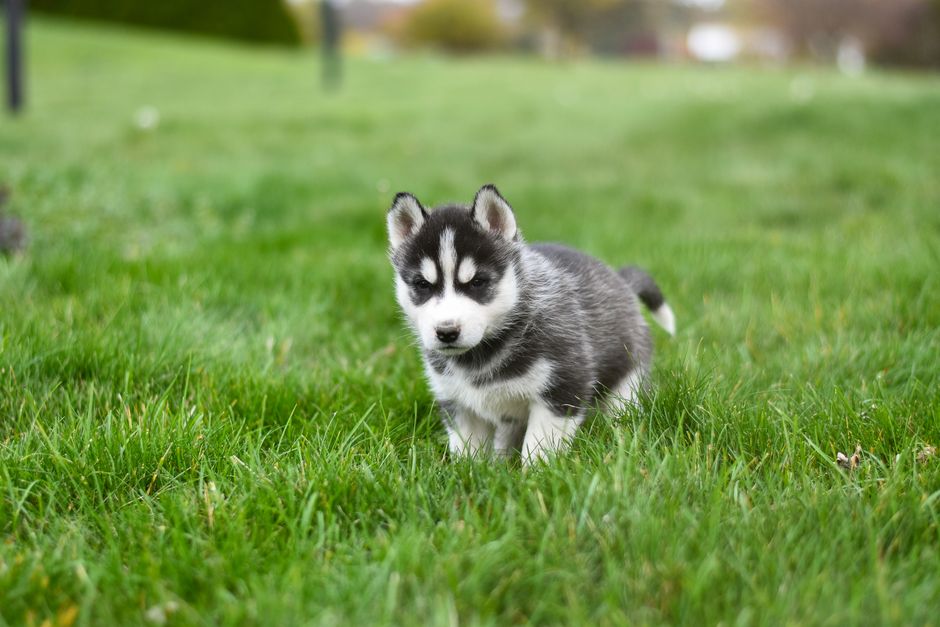
What is Black Skin Disease in Huskies?
Black skin disease, medically termed Alopecia X, is a condition characterized by progressive hair loss and darkening of the skin (hyperpigmentation). It primarily affects double-coated breeds like the Siberian Husky, Alaskan Malamute, and Pomeranian. The condition is not contagious and does not cause pain, but it can lead to secondary skin infections if not managed properly.
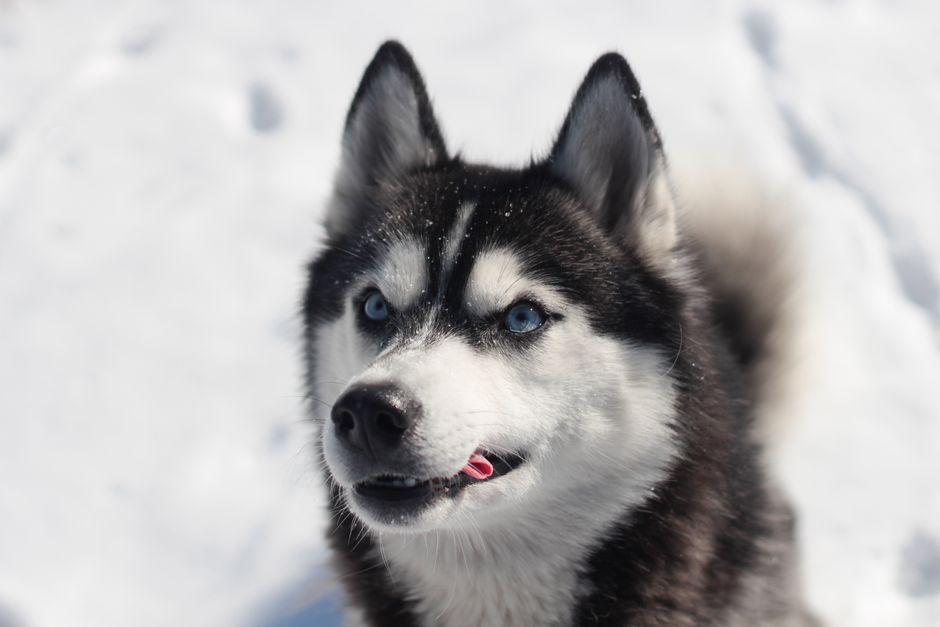
Symptoms and Signs
The hallmark sign is symmetrical hair loss, usually starting on the back, thighs, and tail. Over time, the exposed skin becomes darker, ranging from gray to black. Other symptoms include:
- Thinning of the coat
- Dull, dry hair
- Itching or flaking (if secondary infection occurs)
- Brittle or broken hairs
Unlike allergies or mange, husky black skin disease does not typically cause intense itching unless a secondary infection develops.
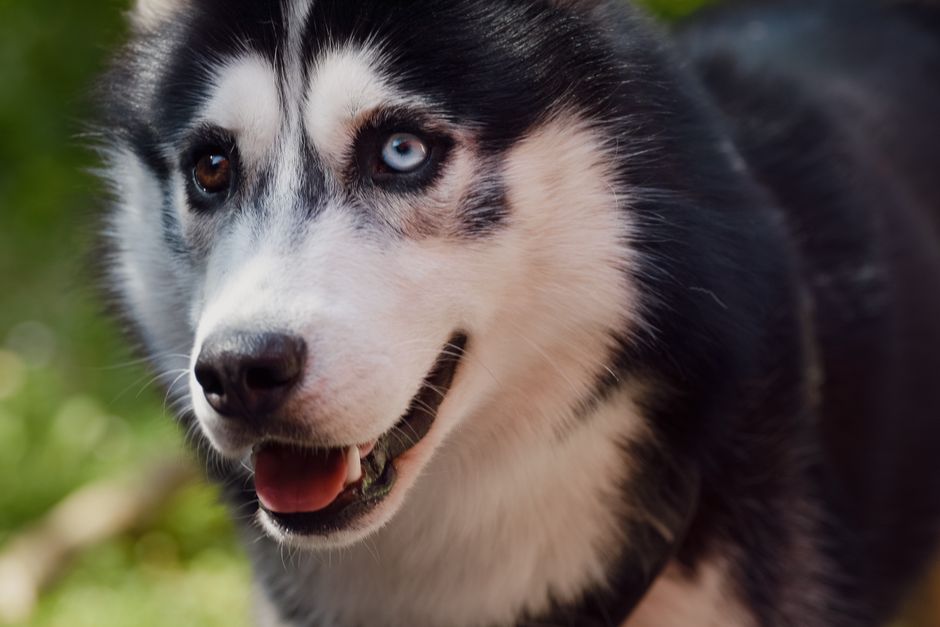
Causes and Risk Factors
The exact cause of Alopecia X is unknown, but several theories exist:
- Hormonal imbalance: Abnormal levels of sex hormones (like estradiol) or adrenal hormones may disrupt hair growth.
- Genetic predisposition: The condition runs in certain lines of Siberian Huskies, suggesting a hereditary component.
- Seasonal factors: Some dogs show improvement in summer and worsening in winter.
Risk factors include being intact (not spayed/neutered), gender (males slightly more affected), and family history.
Diagnosis
Diagnosis involves ruling out other causes of hair loss:
- Skin scraping: To check for mites (demodex).
- Fungal culture: To rule out ringworm.
- Blood tests: Thyroid function (hypothyroidism can mimic Alopecia X) and hormone panels.
- Skin biopsy: The most definitive test, showing follicular atrophy and hyperpigmentation.
Treatment Options
Treatment is not always necessary, as the condition is cosmetic. However, many owners seek therapy to improve coat growth.
| Treatment | Description | Success Rate |
|---|---|---|
| Melatonin | Administered orally or as an implant. Stimulates hair growth in some dogs. | Moderate (30-50%) |
| GnRH agonists (e.g., Lupron) | Suppresses sex hormones. Often used in intact dogs. | High (60-80%) |
| Medroxyprogesterone acetate (MPA) | Progestin therapy. Can cause side effects; used short-term. | High but temporary |
| Castration/Spay | Removing hormonal influence. Often effective in intact males. | Variable |
Note: Always consult a veterinarian before starting any treatment. Some treatments have side effects.
Practical Tips for Home Care
- Provide omega-3 fatty acid supplements to support skin health.
- Use mild, moisturizing shampoos to prevent dryness.
- Protect the exposed skin from sunburn by keeping your Husky indoors during peak hours or using dog-safe sunscreen.
- Monitor for signs of infection (redness, odor, excessive scratching) and treat promptly.
Management and Long-Term Outlook
Black skin disease is often unpredictable. Some dogs regrow hair spontaneously, while others remain bald for life. With proper management, your Husky can live a happy, healthy life. Focus on:
- Regular veterinary check-ups.
- Maintaining a balanced diet.
- Reducing stress (stress can worsen hormonal imbalances).
- Considering holistic approaches like acupuncture or herbal remedies (with vet approval).
Prevention and Breeding Considerations
Since heredity plays a role, responsible breeders should avoid breeding affected dogs. If you are considering getting a Husky puppy, ask the breeder if there is any history of Alopecia X in the line. Spaying/neutering at the right age (after growth plates close) may also reduce the risk.
Frequently Asked Questions
Is husky black skin disease painful?
No, it is not painful. However, secondary infections can cause itching and discomfort.
Can it spread to other pets or humans?
Absolutely not. Alopecia X is not contagious.
Will my Husky's hair ever grow back?
Possibly. Some dogs regrow hair with treatment, while others remain bald. Even without hair, they live normally.
Is treatment expensive?
Costs vary. Melatonin is cheap, while Lupron injections can be costly. Discuss options with your vet.
Recommended Products for Your Husky
As an Amazon Associate, we earn from qualifying purchases. Learn more.
- Healthy Dog Treats — Check price on Amazon
- Dental Chews — Check price on Amazon
- Training Treats — Check price on Amazon
Editor's Note
Our team has sat through enough husky eye exams to know the hereditary risks are real. We tell every owner to get a baseline ophthalmologist check early—catching corneal dystrophy at two is far cheaper than at six.
Sources & Further Reading
HuskySpot researches each topic against recognized breed and veterinary authorities. The following organizations inform our content: