Feeding a Siberian Husky correctly is crucial for their health, energy levels, and longevity. One of the most common questions new Husky owners ask is: how often should you feed a Husky? The answer isn't one-size-fits-all; it depends on the dog's age, activity level, metabolism, and even the type of food you choose. In this comprehensive guide, we'll break down feeding frequencies for puppies, adults, and seniors, along with practical tips to ensure your Husky thrives.

Why Feeding Frequency Matters for Huskies
Huskies were bred as sled dogs, designed to work long hours with minimal food. This means they have a unique metabolism that can easily lead to obesity if overfed. On the flip side, underfeeding can cause malnutrition and lethargy. A consistent feeding schedule helps regulate digestion, prevents bloat (a serious condition in deep-chested breeds), and supports stable energy levels. By understanding the right frequency, you can tailor your Husky's diet to their specific needs.
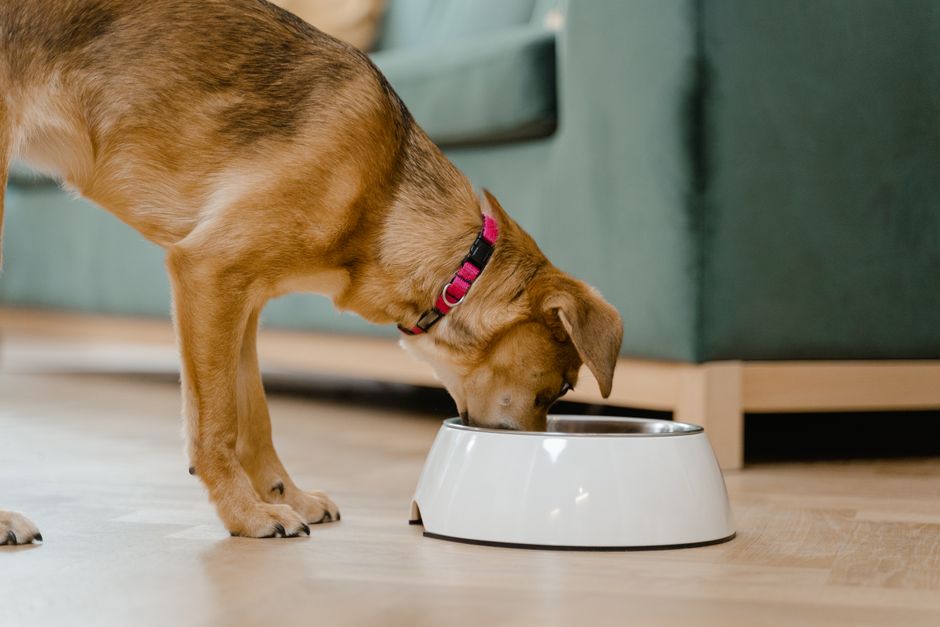
Puppy Feeding Schedule (8 Weeks to 12 Months)
Husky puppies grow rapidly and require frequent, smaller meals to sustain their energy and development. Their tiny stomachs can't handle large portions at once. Here's a general timetable:
- 8–12 weeks old: 4 meals per day (every 4–5 hours).
- 3–6 months old: 3 meals per day (morning, midday, evening).
- 6–12 months old: 2–3 meals per day (transition to adult schedule).
Puppy food should be high-quality and formulated for large breed puppies to support joint health without overloading calcium. Always follow the feeding guide on the package based on your puppy's weight, but monitor body condition and adjust as needed. Avoid free-feeding (leaving food out all day) to prevent overeating.
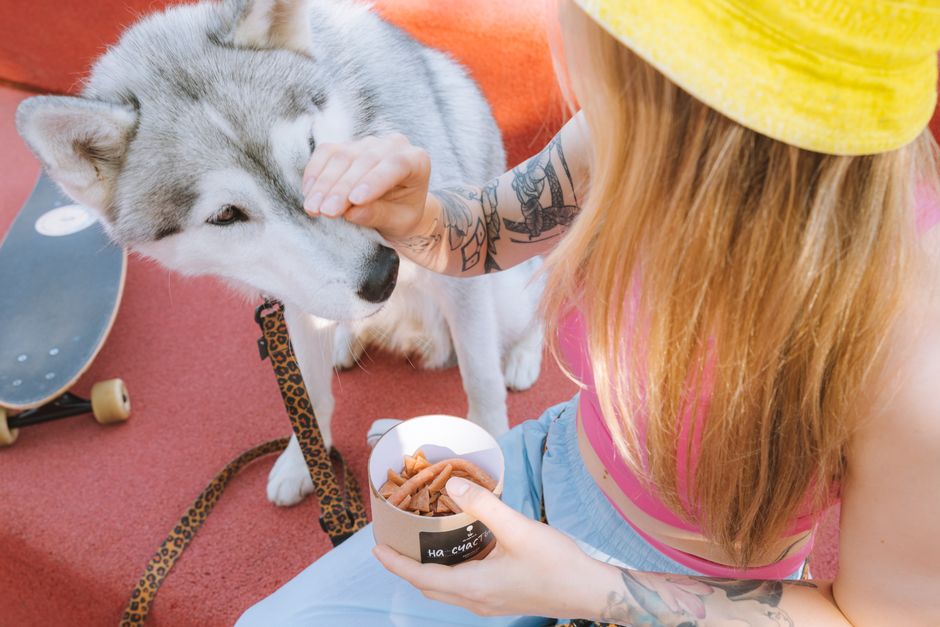
Adult Feeding Schedule (1 to 7 Years)
Once your Husky reaches adulthood (around 1 year), their growth plates close and metabolism stabilizes. Most adult Huskies do well on two meals per day—one in the morning and one in the evening. This schedule helps manage hunger, reduces the risk of bloat, and aligns with most owners' routines. Some owners opt for one large meal per day, but two meals is generally safer and more comfortable for the dog, especially for active Huskies.
Portion Control for Adults
The average adult Husky weighs between 35–60 pounds (16–27 kg). A typical daily intake is 1.5 to 2.5 cups of high-quality dry food, split between two meals. However, working dogs or those with high exercise levels may need up to 3 cups. Always check the food label and adjust for calorie density. Use a measuring cup and track your dog's body condition score (BCS) to avoid overfeeding.
Senior Feeding Schedule (7+ Years)
Senior Huskies often experience a slower metabolism and may have dental issues or decreased activity. They usually benefit from two smaller meals per day to aid digestion and maintain steady energy. Some seniors do well with a lower-calorie, joint-supportive diet. Watch for weight gain; if your senior Husky becomes less active, reduce portions slightly. Also consider adding wet food or soaking kibble for easier chewing.
Factors That Affect Feeding Frequency
Not all Huskies are the same. Consider these factors when fine-tuning your feeding schedule:
- Activity Level: Working sled dogs or active athletes need more frequent, calorie-dense meals than couch potatoes. A busy dog might benefit from three smaller meals instead of two to prevent blood sugar dips.
- Metabolism: Some Huskies are naturally lean and can maintain weight on two meals. Others are prone to obesity and need carefully measured portions.
- Food Type: Raw diets often require more frequent feeding due to faster digestion, while high-fiber kibble may be more satiating. Always follow feeding recommendations for your chosen diet.
- Health Conditions: Dogs with diabetes, pancreatitis, or digestive issues may require multiple small meals. Consult your veterinarian for a tailored plan.
Sample Feeding Schedule Table
| Age Group | Meals per Day | Portion per Meal (approx.) |
|---|---|---|
| Puppy (8–12 weeks) | 4 | ¼ – ⅓ cup |
| Puppy (3–6 months) | 3 | ⅓ – ½ cup |
| Adolescent (6–12 months) | 2–3 | ¾ – 1 cup |
| Adult (1–7 years) | 2 | ¾ – 1¼ cups |
| Senior (7+ years) | 2 | ⅔ – 1 cup |
Note: Adjust based on food brand and your dog's unique needs. Always measure.
Practical Tips for Feeding Your Husky
- Stick to a Routine: Feed at the same times each day. Huskies thrive on consistency, and a set schedule helps with house training and prevents begging.
- Use a Measuring Cup: Eyeballing portions leads to overfeeding. Use an actual measuring cup and check the label's guidelines.
- Monitor Body Condition: You should be able to feel your Husky’s ribs without pressing hard, and see a visible waist. Adjust portions if they gain or lose weight.
- Avoid Free-Feeding: Leaving food out all day can cause obesity and spoilage. Huskies are natural gorgers and may overeat if given the chance.
- Hydration: Always provide fresh water, especially if feeding dry kibble. Wet food can supplement moisture.
- Treats Count: Treats should not exceed 10% of daily calories. Include them in your feeding calculations.
- Transition Slowly: When changing food, mix old and new over a week to avoid digestive upset.
Common Mistakes to Avoid
- Overfeeding: Many owners think Huskies need a lot of food because they are active. But Huskies have efficient metabolisms; excess calories lead to obesity.
- Underfeeding Active Dogs: Conversely, working dogs need adequate calories. Monitor energy levels and adjust.
- Ignoring Age Changes: A puppy's needs differ greatly from a senior's. Reassess feeding frequency and portions as your dog ages.
- Not Considering Spay/Neuter Status: Neutered dogs often require 20-30% fewer calories. Adjust portions accordingly.
- Skipping Meals: While Huskies can fast naturally, regular meal times are important for digestive health and behavior.
Conclusion
So, how often should you feed a Husky? The general rule is 2 meals per day for adults, 3-4 for puppies, and 2 for seniors—but always tailor to your dog's individual needs. By considering their age, activity, and health, you can establish a feeding schedule that promotes optimal health and happiness. Remember to measure portions, maintain consistency, and consult your veterinarian with any concerns. A well-fed Husky is a happy Husky!
Recommended Products for Your Husky
As an Amazon Associate, we earn from qualifying purchases. Learn more.
- Husky Care Essentials — Check price on Amazon
- Best-Selling Dog Gear — Check price on Amazon
- Newest Husky Products — Check price on Amazon
Frequently Asked Questions
How do I switch dog foods safely?
Mix the new food in over 7–10 days, increasing the ratio gradually. A sudden switch causes vomiting or diarrhea.
How much should I feed my Husky?
Most adults eat 1.5–2 cups of quality kibble split into two meals. Adjust for age, weight, and activity — working dogs need more, couch potatoes less.
What is the best food for a Husky?
Look for a meat-first formula with 25–30% protein and healthy fats. Many owners use salmon- or lamb-based foods for coat and skin health.
Editor's Note
One habit we push hard: a frozen Kong at dinner time. It buys two quiet hours and slows eating. We've recommended it to hundreds of owners and the only complaints are from dogs who finish too fast—which means we sized the treat down.
Sources & Further Reading
HuskySpot researches each topic against recognized breed and veterinary authorities. The following organizations inform our content: