Determining how much to feed a Siberian Husky can be tricky. These energetic dogs have unique metabolisms and dietary needs that differ from many other breeds. Feed too little and your Husky may lack energy; feed too much and you risk obesity and joint problems. This comprehensive guide will walk you through everything you need to know to get your Husky's portions just right.
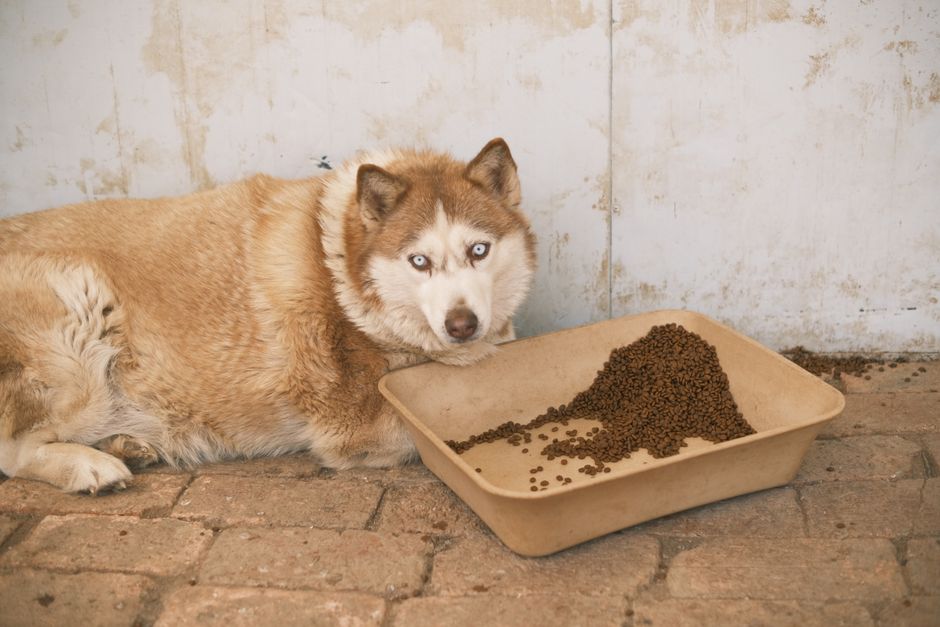
Factors Influencing How Much a Husky Should Eat
Every Husky is an individual, and several factors affect their ideal food intake:
- Age: Puppies need more calories per pound of body weight than adults to support growth. Senior Huskies often require fewer calories due to reduced activity.
- Activity Level: A working or highly active Husky (running, sledding, agility) may need 30–50% more food than a sedentary companion.
- Metabolism: Huskies have an efficient metabolism that can make them prone to weight gain if overfed. They often self-regulate but not always.
- Body Condition: Use the dog body condition score (BCS) to assess if your Husky is underweight, ideal, or overweight. Adjust portions accordingly.
- Food Type: Calorie density varies by brand and formula. Kibble ranges from 300–500 kcal per cup; raw diets may have different energy content.
Feeding Chart by Age and Weight
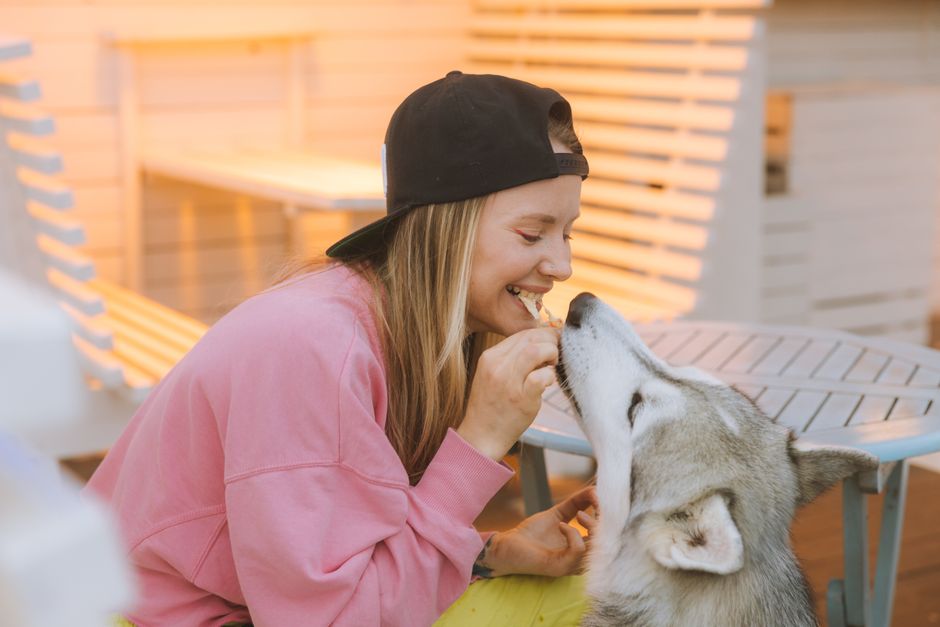
The following table provides general daily feeding guidelines for Siberian Huskies based on age and weight. Always adjust based on your dog's individual needs and consult your vet.
| Age | Weight (lbs) | Daily Food (cups)* | Calories (approx.) |
|---|---|---|---|
| 8–12 weeks | 10–20 | 1 – 1.5 | 600–900 |
| 3–6 months | 20–30 | 1.5 – 2.5 | 900–1500 |
| 6–12 months | 30–40 | 2 – 3 | 1200–1800 |
| Adult (1–7 yrs) | 35–50 (female) / 45–60 (male) | 1.5 – 2.5 | 900–1500 |
| Senior (7+ yrs) | 35–50 (female) / 45–60 (male) | 1.25 – 2 | 750–1200 |
*Based on high-quality dry kibble (300–400 kcal/cup). Adjust for wet or raw diets.
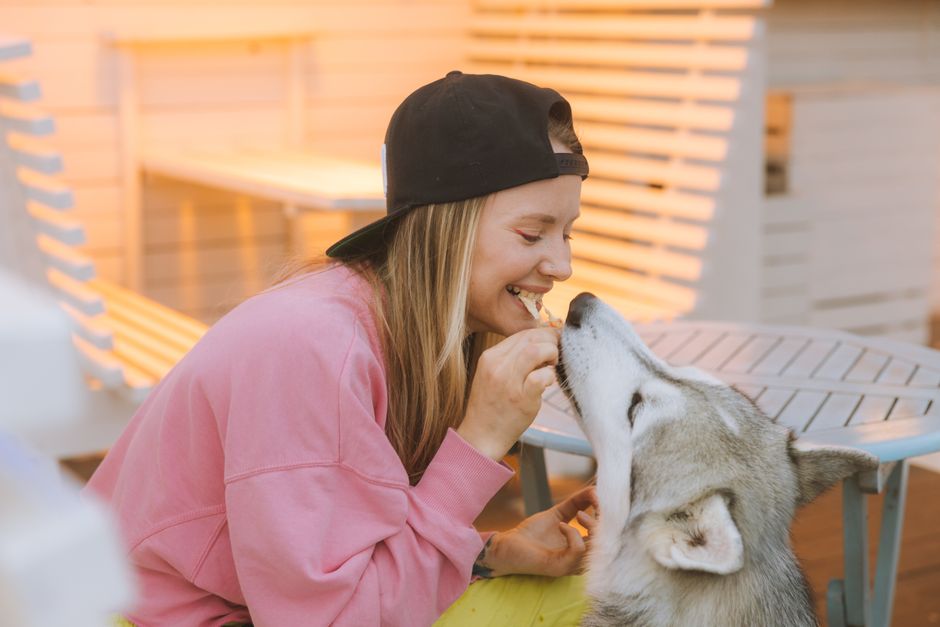
How to Determine the Right Portion Size
Use the Calorie Calculation Method
Calculate your Husky's resting energy requirement (RER) and adjust for activity:
- RER (kcal/day) = 70 x (body weight in kg)^0.75
- Multiply by a factor: 1.6 (neutered, low activity), 1.8 (intact, moderate activity), 2.0+ (working dogs)
- Divide that number by the kcal per cup of your food to get cups per day.
Example: A 50-lb (22.7 kg) neutered Husky with low activity: RER = 70 x (22.7)^0.75 ≈ 70 x 9.1 ≈ 637 kcal. Multiply by 1.6 = 1019 kcal/day. If food has 350 kcal/cup, feed about 2.9 cups. But start lower and adjust.
Monitor Body Condition
Feel your Husky's ribs. You should be able to feel them with light pressure, but not see them. There should be a visible waist when viewed from above. If ribs are prominent, increase food; if you can't feel them, reduce portions.
The 10% Treat Rule
Treats should not exceed 10% of daily calories. If you give many treats, reduce meal portions accordingly.
Feeding Schedule for Huskies
Puppies (under 1 year)
Feed 3–4 times daily until 6 months, then 2–3 times until adulthood. Splitting meals helps maintain stable blood sugar and supports growth.
Adults (1–7 years)
Most adult Huskies do well on 2 meals per day (morning and evening). This reduces the risk of bloat and keeps energy levels steady. If your Husky is prone to gulping, use slow feeder bowls.
Seniors (7+ years)
Continue 2 meals a day but consider switching to a senior formula with lower calories and joint supplements.
Common Mistakes When Feeding a Husky
- Free-feeding: Leaving food out all day can lead to overeating and pickiness. Stick to scheduled meals.
- Overreliance on feeding charts: Charts are starting points. Some Huskies need 20% more or less than recommended.
- Ignoring weight gain: Even a few extra pounds can strain joints. Weigh your Husky monthly.
- Too many high-calorie treats: Use low-calorie options like carrots, green beans, or commercial training treats.
- Switching food abruptly: Transition over 7–10 days to avoid digestive upset.
Special Considerations
Pregnancy and Lactation
Pregnant females need increased calories by 25–50% in the last trimester. Lactating mothers may need 2–3 times their normal intake. Feed highly digestible, nutrient-dense food in multiple meals.
Working and Sporting Huskies
During heavy exercise (sledding, canicross), increase food by 30–50% and add extra fat and protein. Monitor body condition daily.
Picky Eaters
Huskies can be notoriously picky. Try rotating proteins, toppers like low-sodium broth, or warming the food slightly. Never give in to constant changes—offer food for 15 minutes, then remove until next meal.
Frequently Asked Questions
Can I feed my Husky once a day?
While some dogs do fine on one meal, it's generally not recommended for Huskies due to their risk of bloat. Two meals are safer and better for digestion.
How much water should a Husky drink?
Provide fresh water at all times. A Husky needs about 1 ounce of water per pound of body weight per day, more in hot weather or after exercise.
My Husky always seems hungry. Should I feed more?
Huskies are opportunistic eaters. Stick to the proper portion and ensure they are not eating out of boredom. Increase fiber or low-calorie veggies to help them feel full.
Final Tip: Regularly re-evaluate your Husky's diet. As they age or activity changes, adjust portions. A well-fed Husky is a joyful, energetic companion. When in doubt, consult your veterinarian for personalized guidance.
Recommended Products for Your Husky
As an Amazon Associate, we earn from qualifying purchases. Learn more.
- Husky Care Essentials — Check price on Amazon
- Best-Selling Dog Gear — Check price on Amazon
- Newest Husky Products — Check price on Amazon
Editor's Note
Our editors have handled more food-transition disasters than we'd like. The 7-to-10-day rule exists for a reason—husky stomachs are sensitive, and a one-day switch means three days of cleanup. We now print the schedule on the food bag.
Sources & Further Reading
HuskySpot researches each topic against recognized breed and veterinary authorities. The following organizations inform our content: