Introduction
As a Siberian Husky owner, you want to provide your furry friend with a balanced and nutritious diet. Treats like fruits can be a healthy addition, but not all human foods are safe for dogs. One common question is: can Huskies eat strawberries? The short answer is yes, strawberries are generally safe and even beneficial for Huskies when fed in moderation. However, there are important precautions to take. This comprehensive guide will cover the nutritional benefits, potential risks, proper serving sizes, and step-by-step instructions for safely introducing strawberries into your Husky's diet.
Nutritional Benefits of Strawberries for Huskies
Strawberries are packed with vitamins, minerals, and antioxidants that can support your Husky's overall health. Here are some key nutrients:
- Vitamin C: Boosts the immune system and helps reduce inflammation.
- Fiber: Aids digestion and can help regulate bowel movements.
- Manganese: Supports bone health and metabolism.
- Potassium: Helps maintain proper muscle and nerve function.
- Antioxidants: Fight free radicals and may reduce the risk of chronic diseases.
Additionally, strawberries are low in calories and contain no fat, making them a great low-calorie treat for Huskies who need to watch their weight. The natural sweetness can also satisfy a Husky's occasional craving for sugar without the harmful effects of processed sweets.
Potential Risks and Precautions
While strawberries are safe, there are a few risks to be aware of:
Sugar Content
Strawberries contain natural sugars. Overfeeding can lead to weight gain or digestive upset. Huskies with diabetes or insulin resistance should only have strawberries under veterinary guidance.
Pesticides
Strawberries are often heavily sprayed. Always wash them thoroughly or choose organic to reduce chemical exposure.
Choking Hazard
Whole strawberries can be a choking risk, especially for small or enthusiastic eaters. Always cut them into small, manageable pieces.
Allergic Reactions
Though rare, some dogs may be allergic. Watch for symptoms like itching, hives, swelling, or gastrointestinal distress after first feeding.
How to Safely Feed Strawberries to Your Husky
Follow these steps to ensure a safe and enjoyable treat:
- Wash thoroughly: Rinse under running water to remove dirt and pesticides.
- Remove the stem and leaves: The green parts are not toxic but can be difficult to digest and may cause stomach upset.
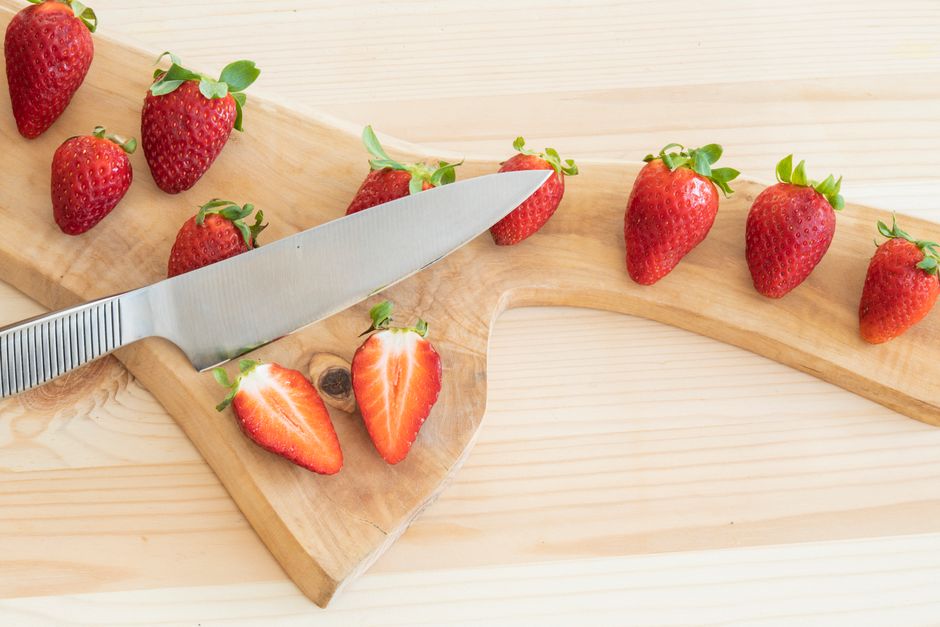
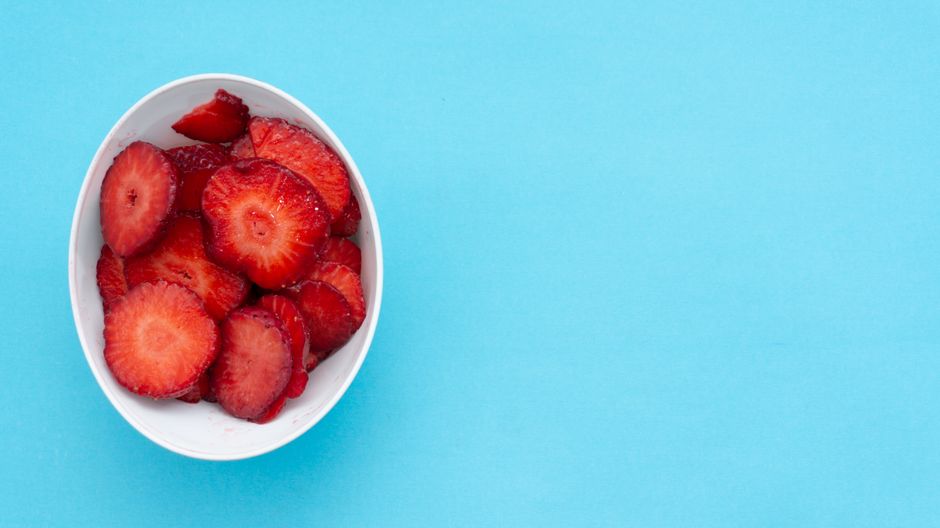
- Cut into small pieces: For a Husky, slice each strawberry into quarters or eighths, depending on size.
- Start with a small amount: Offer one or two small pieces and monitor for any adverse reactions over the next 24 hours.
- Incorporate into meals or use as training treats: Mix with kibble or use as a high-value reward during training sessions.
Never feed strawberries that are moldy, fermented, or coated in chocolate, sugar, or other additives – these are toxic to dogs.
Serving Size and Frequency
Treats should make up no more than 10% of your Husky's daily caloric intake. For an average adult Husky (50-60 lbs), a safe serving size is about one to three medium-sized strawberries per day, depending on activity level and overall diet. Use the table below as a general guide:
| Husky Size (Weight) | Daily Strawberry Limit | Frequency |
|---|---|---|
| Small Husky (under 40 lbs) | 1 small strawberry or 2-3 pieces | 2-3 times per week |
| Medium Husky (40-60 lbs) | 2 medium strawberries | 3-4 times per week |
| Large Husky (over 60 lbs) | 3 medium strawberries | Daily or every other day |
Puppies under 6 months should have even smaller portions – half a strawberry sliced into tiny bits – and only after they have started eating solid food. Always consult your veterinarian before introducing new foods to puppies.
Signs of Allergic Reaction or Digestive Issues
After feeding strawberries, watch for these signs that indicate your Husky may not tolerate them well:
- Vomiting or diarrhea
- Excessive gas or bloating
- Itching, skin redness, or hives
- Sneezing or watery eyes
- Lethargy or loss of appetite
If any symptoms occur, stop feeding strawberries immediately and contact your vet. In most cases, mild digestive upset resolves on its own, but severe reactions require prompt medical attention.
Alternatives to Strawberries
If your Husky doesn't like strawberries or you want to vary their fruit treats, here are some safe alternatives (always in moderation and prepared properly):
- Blueberries: Rich in antioxidants and low in sugar.
- Watermelon (seedless): Hydrating and low-calorie.
- Apple slices (no seeds or core): Good source of fiber and vitamins.
- Bananas: High in potassium, but also sugar – limit to small amounts.
- Pumpkin (plain, cooked): Excellent for digestion.
Avoid grapes, raisins, cherries, and citrus fruits like lemons and limes, as they can be toxic to dogs.
FAQs
Can Huskies eat frozen strawberries?
Yes, frozen strawberries (unsweetened) are a great summer treat. They can help cool your Husky down and provide a satisfying crunch. Just be sure to cut them into small pieces to prevent choking, and monitor for brain freeze – some dogs may not like the cold sensation.
Can Huskies eat strawberry leaves and tops?
While not toxic, the leaves and stems are fibrous and can cause digestive upset. It's best to remove them before offering the fruit.
Are strawberries good for Husky puppies?
Yes, in very small amounts and only after they are weaned. Puppies have sensitive stomachs, so introduce strawberries slowly and watch for any adverse reactions.
Can strawberries help with my Husky's breath?
The vitamin C in strawberries may help combat bacteria that cause bad breath, but it's not a substitute for regular dental care. Brushing your Husky's teeth and providing dental chews are more effective.
Conclusion
, strawberries can be a delicious and nutritious treat for your Siberian Husky when fed responsibly. They offer vitamins, fiber, and antioxidants, but should always be given in moderation and prepared safely. Start with small amounts, watch for allergies, and prioritize a balanced diet. treats are only a small part of your Husky's nutrition – the majority should come from high-quality dog food tailored to their age, size, and activity level. If you have any concerns about adding strawberries to your Husky's diet, consult your veterinarian for personalized advice. Enjoy sharing this sweet, healthy snack with your furry friend!
Recommended Products for Your Husky
As an Amazon Associate, we earn from qualifying purchases. Learn more.
- Husky Care Essentials — Check price on Amazon
- Best-Selling Dog Gear — Check price on Amazon
- Newest Husky Products — Check price on Amazon
Editor's Note
One habit we push hard: a frozen Kong at dinner time. It buys two quiet hours and slows eating. We've recommended it to hundreds of owners and the only complaints are from dogs who finish too fast—which means we sized the treat down.
Sources & Further Reading
HuskySpot researches each topic against recognized breed and veterinary authorities. The following organizations inform our content: