Huskies are known for their high energy levels, but what happens when your Siberian Husky starts packing on extra pounds? Whether due to age, reduced activity, or spaying/neutering, many huskies need a lower-calorie diet to maintain a healthy weight. Feeding the best low calorie food for huskies is about more than just cutting calories—it’s about providing balanced nutrition that keeps your dog full and satisfied. In this guide, we’ll explore caloric needs, what to look for in low-calorie food, top commercial options, homemade alternatives, and tips for a successful diet transition.
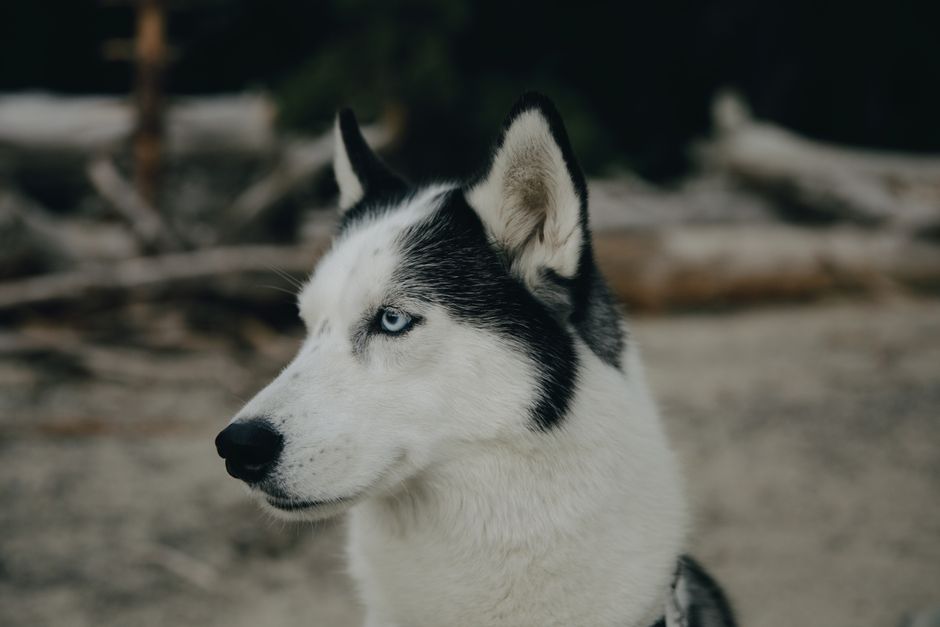
Understanding Your Husky's Caloric Needs
Every husky is unique, but general guidelines suggest an adult husky needs about 1,000–1,500 calories per day, depending on activity. A sedentary or overweight husky may require as few as 800–1,000 calories. Factors affecting caloric needs include:
- Age: Puppies need more calories per lb, while seniors require fewer.
- Activity Level: Working or active huskies burn more; couch potatoes need less.
- Metabolism: Some huskies are naturally more efficient at storing fat.
- Spay/Neuter Status: Hormonal changes can lower metabolism by 20-30%.
Always consult your vet before changing your husky’s diet. They can calculate precise calorie targets based on your dog’s body condition score (BCS).
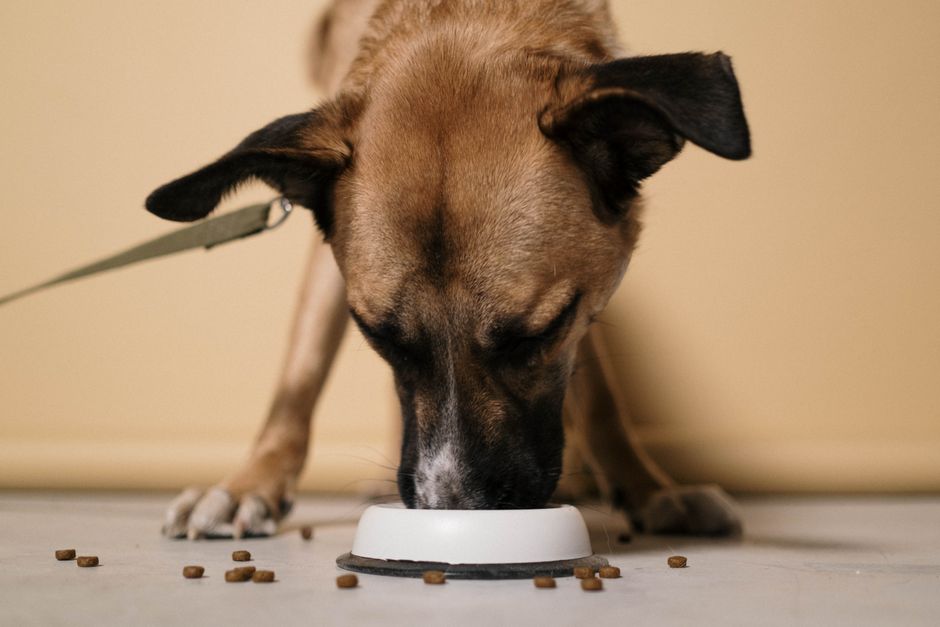
What to Look for in Low-Calorie Husky Food
The best low calorie food for huskies doesn’t just cut fat—it maximizes nutrients per calorie. Look for these features:
- High Protein (30-40% dry matter): Protects muscle mass during weight loss. Real meat (chicken, fish, turkey) should be first ingredient.
- Moderate to Low Fat (8-12% dry matter): Fat is calorie-dense. Choose food with less than 12% fat.
- High Fiber (5-8%): Helps your husky feel full. Sources like sweet potatoes, peas, or beet pulp.
- Low Calorie Density: Aim for under 350 kcal per cup (or similar).
- Added L-Carnitine: Helps metabolize fat.
- No Artificial Additives: Fillers like corn, wheat, and soy offer empty calories.
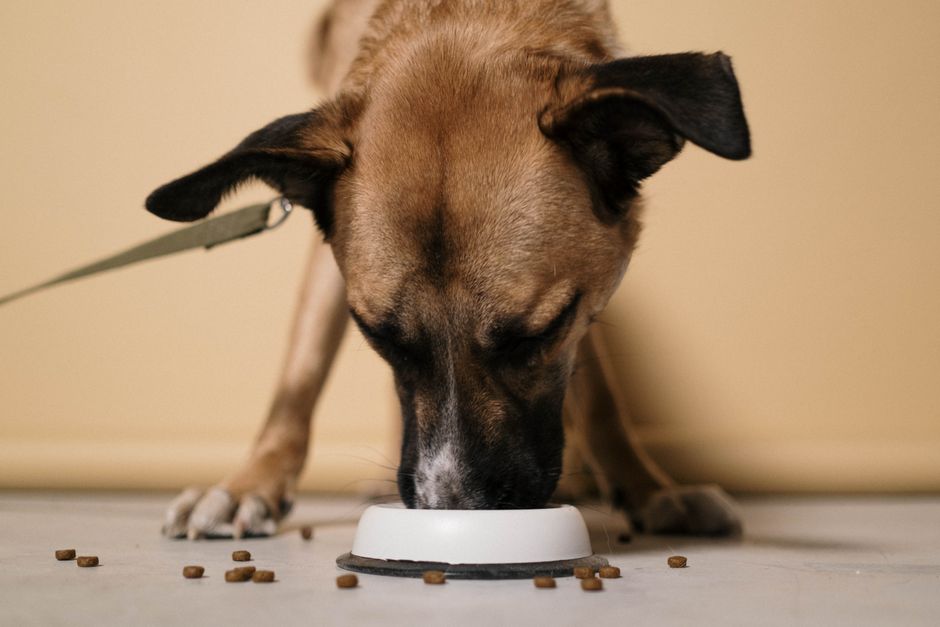
Top 5 Best Low-Calorie Dog Foods for Huskies
Here are five commercial options that meet the criteria. Always check the exact formula and batch as recipes change.
| Brand & Product | Protein (DM%) | Fat (DM%) | Calories/Cup | Key Feature |
|---|---|---|---|---|
| Wellness CORE Grain-Free Reduced Fat | 36% | 9% | 330 | Deboned turkey & chicken; probiotics |
| Blue Buffalo Life Protection Healthy Weight | 30% | 10% | 340 | Chicken, brown rice; L-carnitine |
| Purina Pro Plan Weight Management Chicken & Rice | 29% | 9% | 320 | High protein; natural glucosamine |
| Royal Canin Weight Control | 24% | 8% | 290 | Tailored for larger breeds; includes fiber |
| Hill's Science Diet Perfect Weight | 28% | 10% | 315 | Clinical proven; natural fiber blend |
Wellness CORE Grain-Free Reduced Fat
This formula is excellent for huskies with sensitivities. It packs 36% protein from turkey and chicken, with only 9% fat. The addition of probiotics supports digestion, and the low-calorie density helps manage weight without hunger.
Blue Buffalo Life Protection Healthy Weight
With real deboned chicken as the first ingredient and added L-carnitine, this food helps convert fat to energy. It also contains high-quality carbs like brown rice and oatmeal for sustained energy.
Purina Pro Plan Weight Management
A budget-friendly option that doesn’t compromise on quality. It features chicken as primary protein and includes glucosamine for joint health—important for heavier huskies.
Royal Canin Weight Control
This prescription-style diet (available over the counter) is formulated with a precise nutrient profile. It’s lower in calories but enriched with fiber to keep your husky feeling full.
Hill's Science Diet Perfect Weight
Backed by clinical research, Hill’s uses a unique blend of fibers that help maintain weight loss. It also contains high-quality chicken and antioxidants for immune support.
Homemade Low-Calorie Options for Huskies
If you prefer home cooking, consult a veterinary nutritionist to ensure balanced meals. A sample low-calorie recipe suitable for a 50lb husky (adjust portions accordingly):
- Protein: Lean ground turkey (93% lean) — 6 oz cooked
- Carbs: Cooked sweet potato — 1/2 cup (mashed)
- Vegetables: Green beans (steamed) — 1/2 cup
- Fat: Fish oil (for omega-3s) — 1 tsp
- Supplements: Vet-recommended multivitamin, calcium (if no bone meal)
Calories approximate: ~400 kcal. Always avoid harmful foods like onions, garlic, grapes, raisins, and xylitol.
Transitioning to a Low-Calorie Diet
Sudden food changes can upset your husky’s stomach. Follow this 7-day plan:
- Days 1-2: 75% old food + 25% new food
- Days 3-4: 50% old + 50% new
- Days 5-6: 25% old + 75% new
- Day 7: 100% new food
Monitor for loose stools or vomiting, and slow down if needed. Also, adjust portions to your husky’s target calories—use a kitchen scale for accuracy.
Common Mistakes to Avoid
- Overfeeding treats: Treats should not exceed 10% of daily calories. Use low-calorie options like baby carrots, apple slices (no seeds), or small pieces of plain chicken.
- Free feeding: Measure meals and feed twice daily to control intake.
- Ignoring exercise: Diet and exercise go hand-in-hand. Even short walks or play sessions help.
- Choosing “light” kibble without checking ingredients: Some low-fat foods substitute with extra carbs, which can spike blood sugar and hunger.
- Not adjusting for life changes: As your husky ages or becomes less active, reduce calories accordingly.
Conclusion
Choosing the best low calorie food for huskies involves understanding your dog’s individual needs, seeking high-quality ingredients, and making gradual changes. Whether you opt for a commercial weight management formula or homemade meals, the goal is sustainable weight loss without sacrificing nutrition. Always involve your veterinarian in the process, especially if your husky has underlying health conditions. With the right food and a little patience, your Siberian Husky can achieve a healthy weight and enjoy a longer, more active life.
Recommended Products for Your Husky
As an Amazon Associate, we earn from qualifying purchases. Learn more.
- Premium Husky Food — Check price on Amazon
- Grain-Free Kibble — Check price on Amazon
- High-Protein Food — Check price on Amazon
Frequently Asked Questions
How do I switch dog foods safely?
Mix the new food in over 7–10 days, increasing the ratio gradually. A sudden switch causes vomiting or diarrhea.
How much should I feed my Husky?
Most adults eat 1.5–2 cups of quality kibble split into two meals. Adjust for age, weight, and activity — working dogs need more, couch potatoes less.
What is the best food for a Husky?
Look for a meat-first formula with 25–30% protein and healthy fats. Many owners use salmon- or lamb-based foods for coat and skin health.
Editor's Note
One habit we push hard: a frozen Kong at dinner time. It buys two quiet hours and slows eating. We've recommended it to hundreds of owners and the only complaints are from dogs who finish too fast—which means we sized the treat down.
Sources & Further Reading
HuskySpot researches each topic against recognized breed and veterinary authorities. The following organizations inform our content: