Blueberries are a popular superfood for humans, but can Huskies enjoy them too? The short answer is yes—blueberries are safe and even beneficial for Siberian Huskies when fed in moderation. These tiny berries are packed with nutrients that can support your Husky’s health, from their immune system to their coat. However, as with any treat, it’s important to know the right amounts and how to serve them safely. In this guide, we’ll cover everything you need to know about feeding blueberries to your Husky, including the benefits, recommended serving sizes, potential risks, and creative ways to incorporate them into your dog’s diet.
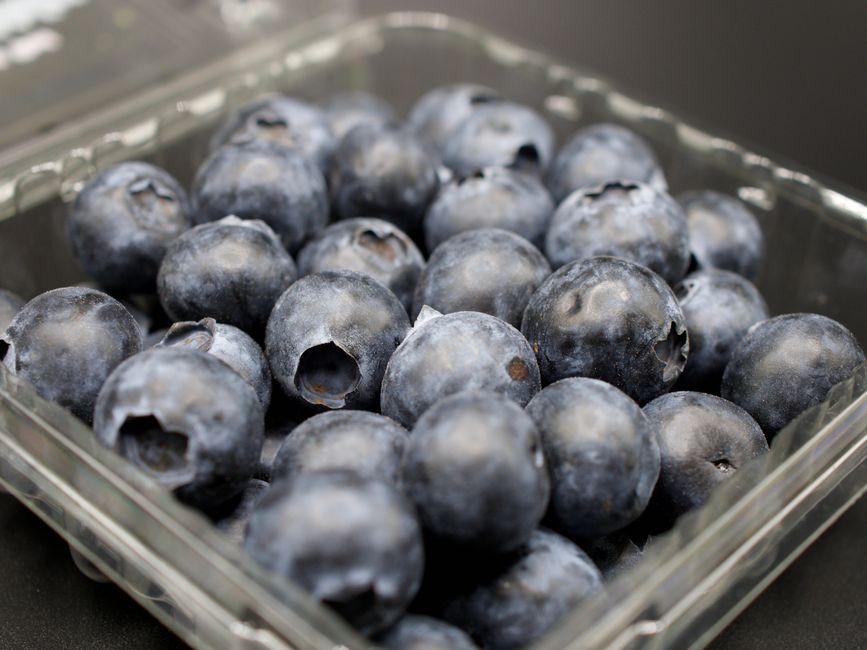
Nutritional Benefits of Blueberries for Huskies
Blueberries are nutrient-dense and offer a range of health benefits for dogs. Here’s what makes them a great treat choice:
- Antioxidants: Blueberries are rich in antioxidants like anthocyanins, which help fight free radicals and reduce oxidative stress. This can support your Husky’s overall health and may lower the risk of chronic diseases.
- Vitamins and Minerals: They contain vitamins C, K, and E, as well as manganese. Vitamin C supports the immune system, while vitamin K aids in blood clotting and bone health.
- Fiber: The fiber in blueberries promotes healthy digestion. However, too much fiber can cause loose stools, so moderation is key.
- Low in Calories: A single blueberry has only about 1 calorie, making them a low-calorie treat option for Huskies who need to maintain a healthy weight.
- Hydration: Blueberries have high water content (around 84%), which can help keep your Husky hydrated, especially on hot days.
In addition, the natural compounds in blueberries have anti-inflammatory properties that may benefit Huskies with joint issues or allergies. Overall, blueberries are a healthy addition to your Husky’s treat rotation.
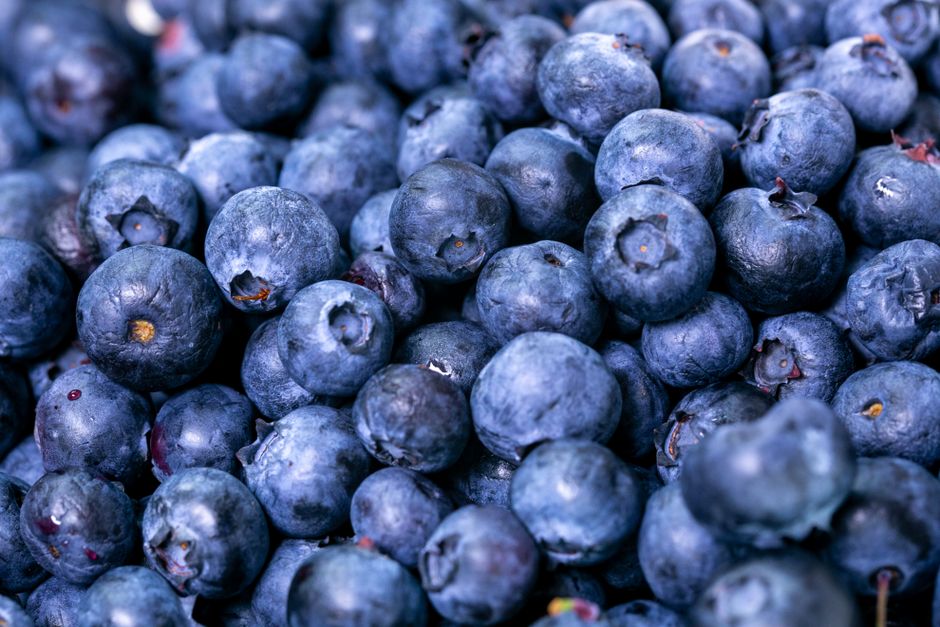
How Many Blueberries Can a Husky Eat?
The amount of blueberries a Husky can safely eat depends on their size, weight, and overall diet. For a standard adult Siberian Husky weighing between 35 and 60 pounds, a safe serving size is about 5 to 10 blueberries per day. For smaller or younger Huskies (e.g., Husky puppies), start with 2 to 4 blueberries. These amounts should be treated as occasional treats, not meal replacements.
To put it into perspective, treats (including blueberries) should make up no more than 10% of your Husky’s daily caloric intake. The remaining 90% should come from a balanced commercial or homemade dog food. For example, if your Husky eats 1,000 calories per day, no more than 100 calories should come from treats. Since 10 blueberries contain roughly 10 calories, you can safely offer them without upsetting the dietary balance.
If it’s your first time giving blueberries, introduce them gradually. Offer 2 to 3 berries and watch for any signs of digestive upset or allergic reaction. Most Huskies tolerate them well, but individual sensitivities can occur.
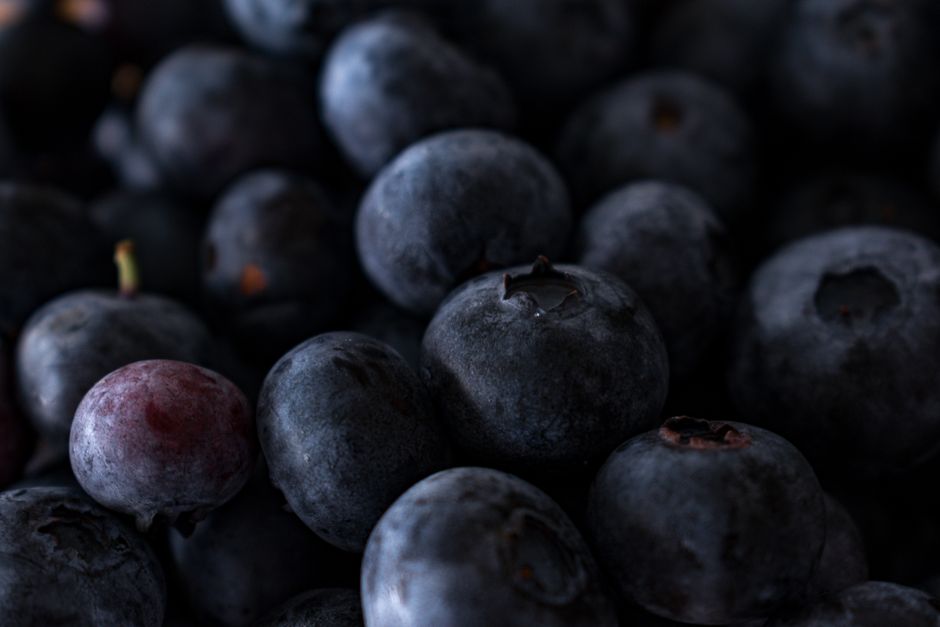
How to Feed Blueberries to Your Husky
Blueberries are versatile and can be served in several ways. Here are some tips for safe feeding:
- Fresh or Frozen: Both fresh and frozen blueberries are fine. Frozen blueberries can be a refreshing treat in summer, but they’re harder and may pose a choking risk if your Husky gulps them. Always monitor your dog when giving frozen treats.
- Wash Thoroughly: Rinse blueberries under cold water to remove any pesticides or dirt. Organic blueberries are preferable, but conventional ones are safe if washed well.
- Cut for Small Dogs or Puppies: Although Huskies are medium to large dogs, very small puppies or senior dogs with dental issues might benefit from having blueberries cut in half or mashed. This reduces choking risk and makes them easier to digest.
- Avoid Added Sugars or Preservatives: Only offer plain blueberries—never those canned in syrup, coated in sugar, or mixed with xylitol (a toxic sweetener).
- Use as Training Treats: Blueberries make excellent low-calorie training rewards for Huskies, who are often food-motivated. Their small size is perfect for quick, repeated treats.
You can also mix blueberries into your Husky’s meals as a topper, or blend them into homemade dog treats. However, avoid overdoing it—stick to the recommended daily amounts.
Potential Risks and Precautions
While blueberries are safe for most Huskies, there are a few potential risks to keep in mind:
- Choking Hazard: Whole blueberries are small and round, which can be a choking risk, especially for Huskies that inhale their food. Always supervise your dog when feeding whole berries, and consider cutting them in half if your dog is a gulper.
- Digestive Upset: Too many blueberries can cause diarrhea or stomach discomfort due to their fiber and natural sugars. Stick to the recommended amounts, especially if your Husky has a sensitive stomach.
- Allergic Reactions: Though rare, some dogs may be allergic to blueberries. Signs include itching, hives, swelling, or gastrointestinal distress. If you notice any adverse reactions, discontinue use and consult your veterinarian.
- Pesticides: Blueberries are often on the “Dirty Dozen” list of produce with high pesticide residues. To minimize exposure, choose organic blueberries when possible, or wash conventional ones thoroughly.
- Sugar Content: Blueberries contain natural sugars. While not harmful in moderation, dogs with diabetes or weight issues should have treats limited and accounted for. Always consult your vet before introducing new treats to a dog with health conditions.
Additionally, avoid feeding any blueberry products that contain xylitol, like some sugar-free yogurts or baked goods. Xylitol is highly toxic to dogs, causing rapid insulin release and potentially life-threatening hypoglycemia.
Are Blueberries Better Than Other Treats?
Blueberries are a healthy choice, but they’re just one option among many dog-safe fruits. Let’s compare:
| Fruit | Benefits | Caution |
|---|---|---|
| Blueberries | High antioxidants, low calorie, good for immune support | Choking risk if whole; limit to small amounts |
| Apples | Fiber, vitamins A and C, crunchy texture | Remove seeds and core; high in sugar |
| Bananas | Potassium, vitamins B6 and C, energy boost | High in sugar and calories; feed sparingly |
| Watermelon | Hydrating, low calorie, lycopene | Remove seeds and rind; feed in moderation |
| Strawberries | Vitamin C, antioxidants, low calorie | May cause digestive upset if fed too many |
Blueberries stand out for their dense antioxidant profile and low calorie count. They are an excellent treat for Huskies that need to stay lean, such as active working dogs or those prone to obesity. Other fruits like apples and bananas are also healthy, but blueberries offer unique protection against inflammation and cellular damage.
Blueberry Recipes for Huskies
Want to get creative? Try these simple, Husky-approved blueberry treats:
Frozen Blueberry Yogurt Bites
Mix plain, unsweetened yogurt with a handful of blueberries. Spoon small dollops onto a baking sheet lined with parchment paper and freeze until solid. Pop them out and store in a freezer bag. Offer one to two bites as a cool treat.
Blueberry & Pumpkin Puree
Blend equal parts cooked pumpkin (not pie filling) and blueberries. Freeze in silicone molds for ice cube-like treats. Pumpkin adds fiber and helps digestion.
Blueberry Training Rewards
Simply wash and cut blueberries into quarters. Use them as high-value training treats. Your Husky will love the burst of flavor, and you’ll know exactly what’s in the treat.
Remember to always account for the blueberries in your dog’s daily treat allowance. These recipes should be given occasionally, not as a main food source.
Conclusion
Blueberries are a safe, nutritious, and delicious treat for Siberian Huskies. Packed with antioxidants, vitamins, and fiber, they offer numerous health benefits while being low in calories. The key is to feed them in moderation—about 5 to 10 for an average adult Husky—and to prepare them properly by washing and cutting if necessary. Always monitor your dog for any adverse reactions and consult your vet if you have concerns, especially if your Husky has underlying health conditions.
So next time you reach for a handful of blueberries, feel free to share a few with your furry friend. It’s a simple way to boost their health and show them some love. Just remember: a few blueberries are great, but a whole bag is not!
Recommended Products for Your Husky
As an Amazon Associate, we earn from qualifying purchases. Learn more.
- Husky Care Essentials — Check price on Amazon
- Best-Selling Dog Gear — Check price on Amazon
- Newest Husky Products — Check price on Amazon
Frequently Asked Questions
How much should I feed my Husky?
Most adults eat 1.5–2 cups of quality kibble split into two meals. Adjust for age, weight, and activity — working dogs need more, couch potatoes less.
What is the best food for a Husky?
Look for a meat-first formula with 25–30% protein and healthy fats. Many owners use salmon- or lamb-based foods for coat and skin health.
How often should Huskies eat?
Adults do well on two meals a day. Puppies under six months need three to four smaller feedings to avoid blood-sugar dips.
Editor's Note
We've watched countless husky owners treat feeding like a guessing game, and the pattern is always the same: free-feeding leads to a dog who begs constantly and crashes midday. Two measured meals at fixed times fixed the erratic energy we kept hearing about.
Sources & Further Reading
HuskySpot researches each topic against recognized breed and veterinary authorities. The following organizations inform our content: