Introduction
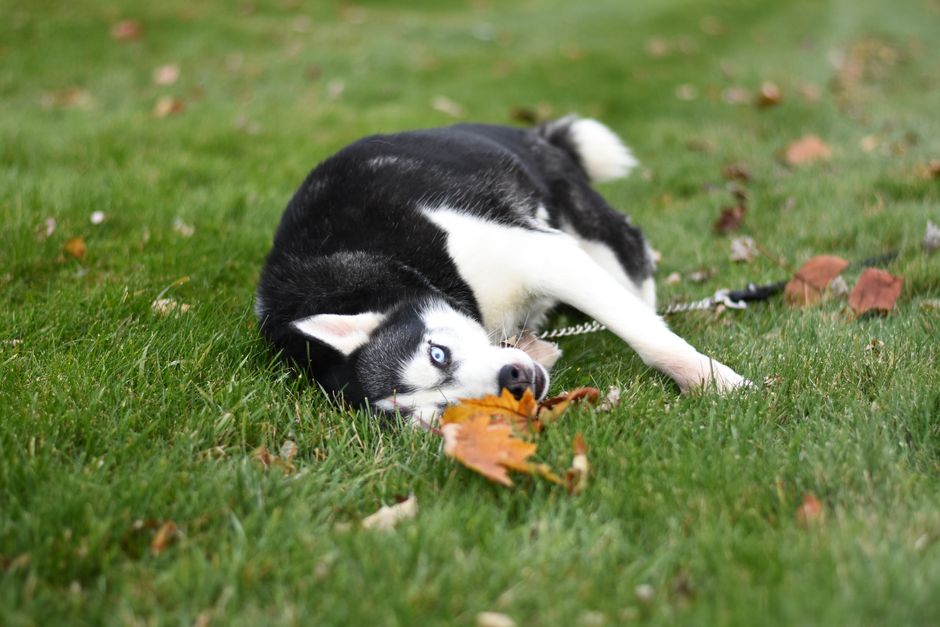
If you own a Siberian Husky, you've likely seen your dog gleefully roll in dirt, mud, or even something foul-smelling. This behavior can be baffling and frustrating for owners, especially after a fresh bath. But rolling in dirt is deeply ingrained in your Husky's instincts. Understanding why they do it can help you manage the behavior and keep your pup happy and healthy. In this guide, we explore the top reasons Huskies roll in dirt, from cooling off to communication, and offer practical tips for dealing with it.
Instinctual Behavior from Ancestral Roots
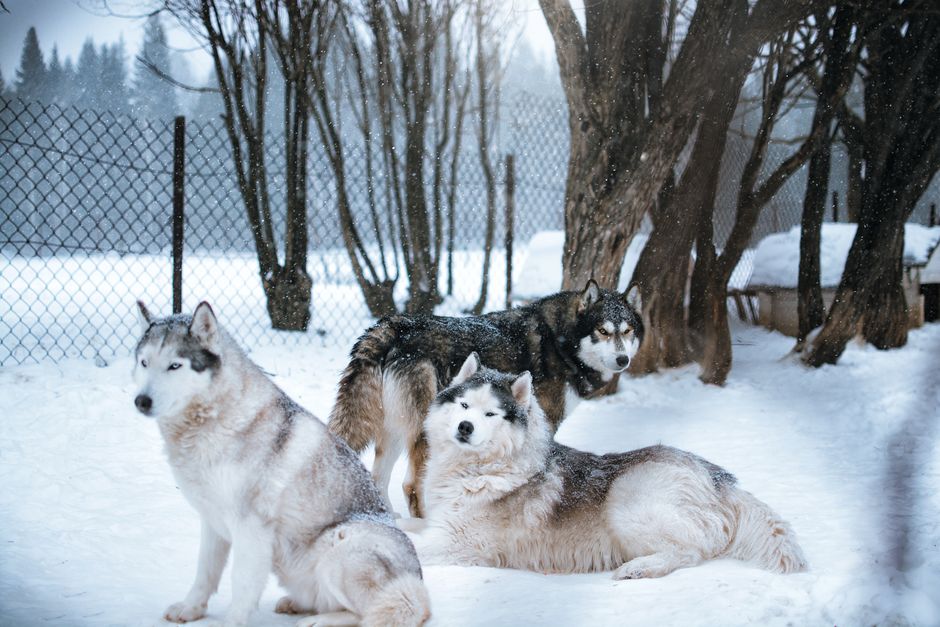
Huskies are an ancient breed originally developed by the Chukchi people of Siberia. Their ancestors survived in harsh, cold environments where they had to hunt, pull sleds, and fend for themselves. Rolling in dirt is a behavior passed down from wolves and wild dogs. In the wild, canines would roll in dirt to mask their scent from prey or predators. By covering themselves in the smell of the earth, they could move undetected. Your Husky still carries these instincts, even though they now live comfortably in your home.
Cooling Off in Hot Weather
Siberian Huskies have a thick double coat designed for freezing temperatures, which can make them prone to overheating. Dirt and mud can act as a natural coolant. When your Husky rolls in damp soil or mud, the moisture evaporates from their fur, providing a cooling effect. Additionally, loose dirt can help insulate them from the sun or hot ground. If you notice your Husky rolling in dirt more often during summer or after exercise, it may simply be their way of regulating body temperature. Provide plenty of shade and water, and consider a kiddie pool for safer cooling.
Scent Masking and Communication
Dogs rely heavily on their sense of smell, and rolling in dirt can be a form of communication. By picking up scents from the environment, your Husky may be telling other dogs about where they've been or what they've encountered. It can also be a way to spread their own scent, marking territory in a subtle way. Some experts believe that dogs roll in strong odors (like manure or dead animals) to bring that scent back to their pack—in this case, you. As odd as it seems, it’s a sign they consider you part of their family and want to share interesting information.
Skin Health and Coat Care
Dirt can actually be beneficial for your Husky’s skin and coat—to a point. Rolling in dry dirt helps remove loose fur and debris, similar to dry shampoo. The abrasive action can unclog pores and remove dead skin cells. Some dogs also use dirt to alleviate itching from allergies or insect bites. However, excessive rolling may indicate a skin issue like mange, allergies, or flea infestation. Keep an eye on your dog’s skin condition; if they are constantly rolling, scratching, or have bald patches, consult a veterinarian.
Fun and Play
Never underestimate the power of fun. For many Huskies, rolling in dirt is simply enjoyable. The texture, smell, and sensation can be stimulating and rewarding. Huskies are known for their playful, mischievous personalities. They may roll to get your attention, especially if you react strongly. If you chase or scold them, they might see it as a game. The behavior becomes self-reinforcing: they roll, you react, they get attention, and the cycle continues. To discourage it, try ignoring the behavior (if safe) and redirecting to a more desirable activity.
When Should You Be Concerned?
While occasional dirt rolling is normal, excessive or obsessive rolling can signal a problem. Watch for signs of discomfort: if your Husky whines, snaps at their back, or rolls repeatedly in one spot, they might have a flea or tick bite, an ear infection, or skin irritation. Rolling in dirt can also compact debris into the ears, leading to infections. If your dog is rolling in dirt after being in a safe environment, consider if there are new irritants in your yard, like fertilizers or pesticides. Always bathe your Husky with a mild dog shampoo if they have been in potentially toxic substances. Consult your vet if the behavior persists or is accompanied by hair loss, redness, or unusual odors.
Practical Tips to Manage Dirt Rolling
- Redirect with toys or commands: When you see your Husky about to roll, call them with a command like “come” or offer a high-value treat or toy. Reward them for obeying.
- Provide designated digging/rolling areas: Create a sandbox or dirt patch in your yard where rolling is allowed. Train your dog to use that spot. Bury toys or treats there to encourage use.
- Increase exercise and mental stimulation: A bored Husky is more likely to engage in unwanted behaviors. Ensure your dog gets at least 60 minutes of vigorous exercise daily along with puzzle toys, training sessions, or dog sports.
- Use a cooling vest or damp towel: If overheating is the trigger, provide alternative cooling methods. A cool mat or a wet bandana on the neck can help.
- Regular grooming: Brush your Husky’s coat weekly to remove loose hair and dirt. This reduces the urge to self-groom by rolling. Bathing too often can strip natural oils, so bathe only when needed.
- Keep your yard clean: Remove feces, food scraps, or other stinky items that might entice rolling. Use pet-safe yard treatments.
- Consider a professional trainer: If the behavior is compulsive or you cannot manage it, a certified dog trainer or behaviorist can help with positive reinforcement techniques.
Conclusion
Why do Huskies roll in dirt? It’s a mix of instinct, comfort, communication, and pure joy. While it can be messy, understanding the reasons behind the behavior helps you respond appropriately. Most of the time, it’s harmless and even beneficial. But if you notice signs of distress or obsession, take action. With patience, training, and proper care, you and your Husky can find a balance between their natural impulses and your desire for a clean dog. Remember, a little dirt never hurt—and it might just make your Husky happier.