Introduction
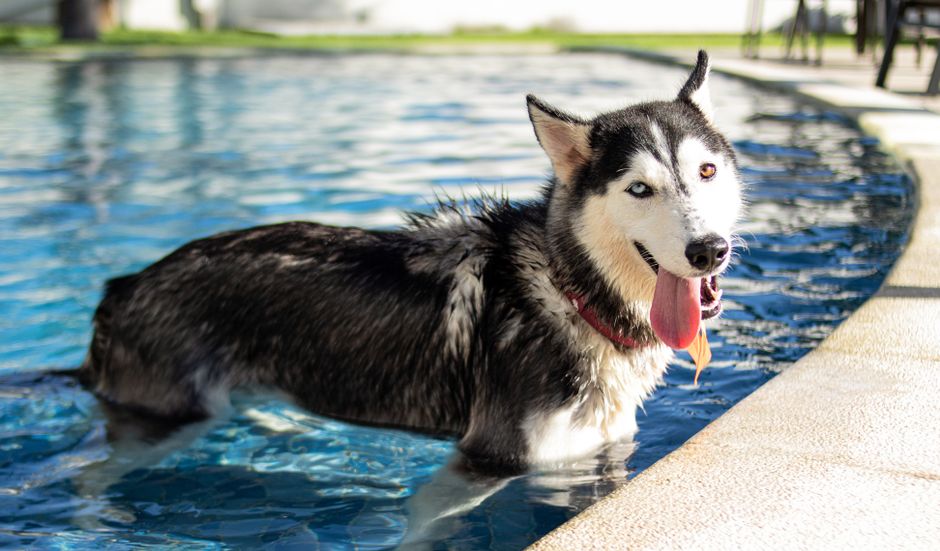
If you own a Siberian Husky, you've likely experienced the dramatic escape attempts, the mournful howls, and the sheer determination to avoid a bath. While some dogs tolerate or even enjoy water, Huskies are notorious bath-haters. This deep-seated aversion isn't just stubbornness—it's rooted in their history, biology, and instincts. In this comprehensive guide, we'll explore the reasons behind your Husky's bath-time rebellion and provide practical strategies to make grooming less stressful for both of you.
The Husky's Ancestry and Natural Instincts
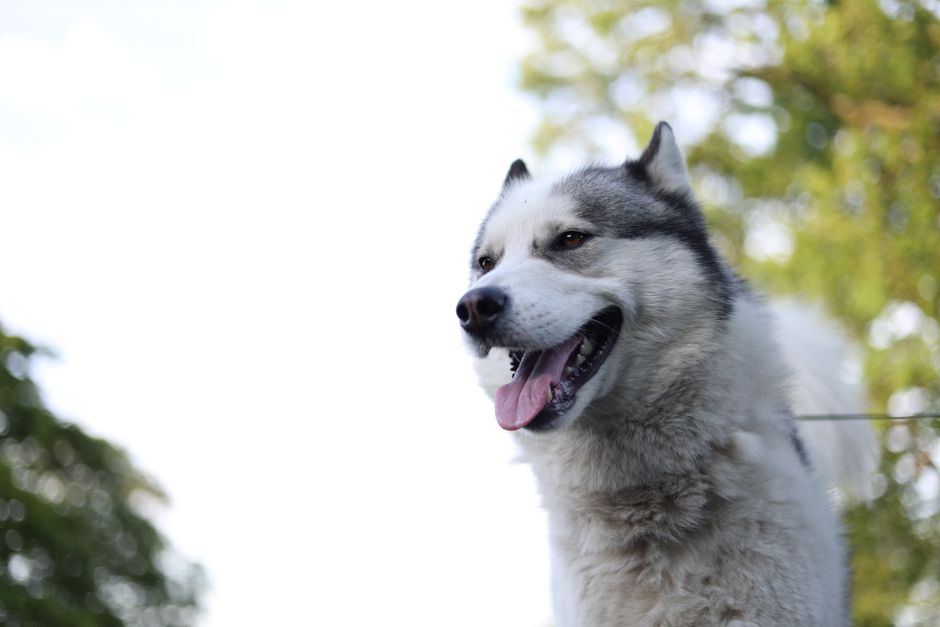
Siberian Huskies were bred by the Chukchi people of northeastern Asia to pull sleds across vast, frozen landscapes. Their survival depended on staying warm and dry in extreme cold. Water was a threat—wet fur could freeze, leading to hypothermia and death. This evolutionary pressure wired Huskies to avoid water whenever possible.
Even today, your Husky carries those instincts. Bathing feels unnatural and risky to them. They don't understand that modern homes have warm towels and heaters; their DNA screams, “Water = danger!” This ancestral memory is the primary reason your Husky reacts with fear or resistance during bath time.
The Husky's Double Coat: A Built-in Protection System
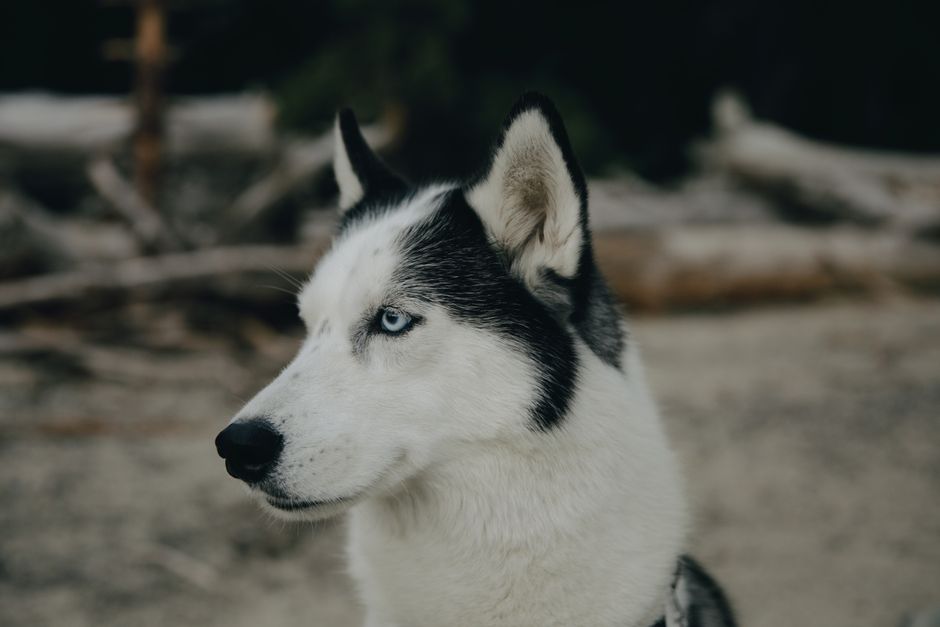
Huskies have a thick double coat consisting of a soft undercoat and a longer, water-repellent topcoat. This coat is self-cleaning to an extent—it sheds dirt and dander naturally, and oils help repel moisture. When you soak a Husky with water and shampoo, you disrupt this natural balance.
The undercoat holds onto water like a sponge, making the dog heavy, cold, and uncomfortable. The drying process can take hours, even with towels and blow dryers. The sensation of being wet and matted is distressing for a breed that evolved to be fluffy and dry. Additionally, frequent bathing strips the coat of essential oils, leading to dry skin and irritation, which only reinforces the negative association with baths.
Why Water and Soap Are Stressful for Huskies
Beyond instinct, several factors make baths unpleasant for Huskies:
- Sensory overload: The sound of running water, the smell of soap, and the feeling of slippery surfaces can overwhelm a sensitive Husky.
- Loss of control: During a bath, your Husky is restrained and vulnerable. Independent breeds like Huskies often resist being handled or confined.
- Temperature discomfort: Water that is too cold or too hot is painful. Even lukewarm water can feel shocking if they aren't accustomed to it.
- Negative past experiences: If a previous bath involved getting water in their ears or eyes, it created a lasting aversion.
All these factors combine to make bathing a traumatic event, causing your Husky to associate the bathroom with stress.
Common Signs Your Husky Hates Baths
Recognizing your Husky's stress signals can help you intervene early. Look for:
- Hiding or refusing to enter the bathroom
- Shaking, trembling, or panting excessively
- Whining, growling, or barking
- Attempting to jump out of the tub
- Tail tucked and ears flattened
- Freezing or stiffening up
These behaviors indicate fear, not misbehaving. Punishing them will only worsen their anxiety.
How to Make Bath Time Easier for Your Husky
Preparation and Environment
Set up for success before the bath begins:
- Use a non-slip mat in the tub to give your Husky secure footing.
- Fill the tub with a few inches of lukewarm water before bringing your dog in.
- Have towels, shampoo (preferably oatmeal-based or gentle), and a detachable sprayer ready.
- Close the bathroom door and remove distractions.
Gradual Desensitization
Desensitize your Husky to the process over several days:
- First, reward your dog for simply entering the bathroom.
- Next, introduce the tub—let them sniff it, and give treats for calm behavior.
- Place them in an empty tub, reward, then let them out.
- Add a tiny amount of water and repeat.
- Slowly increase water level and duration.
Use Positive Reinforcement
Throughout the bath, use high-value treats like small pieces of cheese or chicken. Give treats for staying calm, for letting you touch their paws, for accepting water. Speak in a calm, encouraging tone. Never force the process—if your Husky panics, stop and try again later.
Alternative Cleaning Methods
If baths remain impossible, consider these options:
- Waterless shampoo: Foam or spray formulations that clean without water.
- Wipes: Grooming wipes for spot cleaning dirty areas.
- Professional grooming: Some groomers specialize in handling difficult dogs.
- Dry shampoo powder: Works well for quick freshening between baths.
When to Bathe a Husky (and When Not To)
Huskies do not need frequent baths—overbathing harms their coat. In general, bathe your Husky only when:
- They are visibly dirty or smelly
- They have rolled in something foul
- Your veterinarian recommends it for a skin condition
Otherwise, regular brushing (2-3 times a week) and occasional spot cleaning suffice. During shedding season, more brushing helps remove loose fur without a bath.
Also, avoid bathing your Husky in cold weather unless you can dry them thoroughly. A wet, chilled Husky is at risk for health issues.
Conclusion
Understanding why your Husky hates baths—from ancient survival instincts to the discomfort of a soaked double coat—allows you to approach grooming with empathy. By using gradual desensitization, positive reinforcement, and respecting your dog's limits, you can transform bath time from a battle into a manageable routine. Remember: your Husky's aversion isn't defiance; it's a deeply ingrained response. With patience and the right techniques, even the most bath-averse Husky can learn to tolerate—if not enjoy—a good scrub.