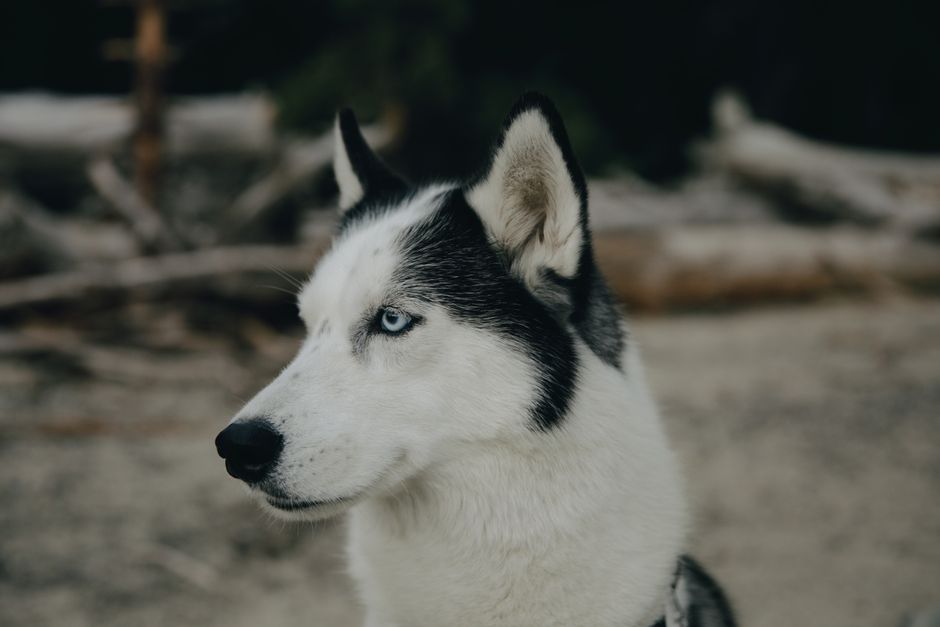
Introduction: The Husky's Unique Voice
Siberian Huskies are renowned for their striking appearance and independent spirit, but perhaps their most distinctive trait is their vocal nature. Unlike many dog breeds that rely heavily on barking, Huskies communicate through a wide range of sounds—howling, whining, grumbling, and yes, crying. If you're a Husky owner, you've likely heard your dog emit a mournful, drawn-out cry that tugs at your heartstrings. But what does it mean? Understanding why Huskies cry is important for building a strong bond and meeting their needs. In this comprehensive guide, we'll explore the reasons behind Husky crying, how to interpret different types of cries, and practical strategies to address excessive vocalizations.
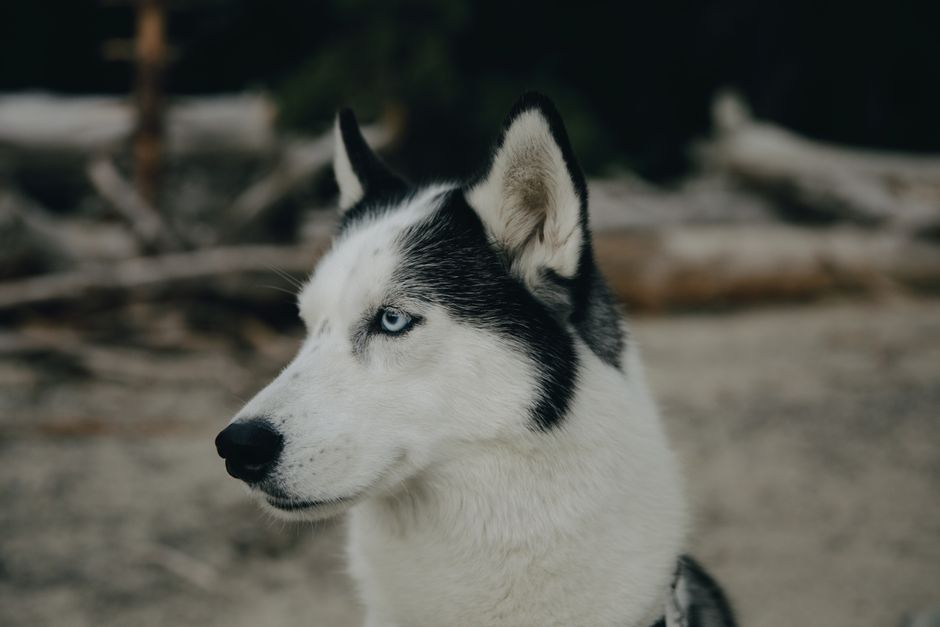
The Unique Vocal Nature of Siberian Huskies
Huskies are descended from Arctic wolves, and their vocal repertoire reflects this lineage. While barking is common in many breeds, Huskies are more inclined to howl, whine, and produce several sounds that can be described as talking, singing, or crying. This behavior is deeply ingrained—they use vocalizations to communicate with their pack, express emotions, and signal needs. In the wild, howling helps wolves coordinate and reunite; in your home, your Husky's crying serves a similar purpose: to get your attention.
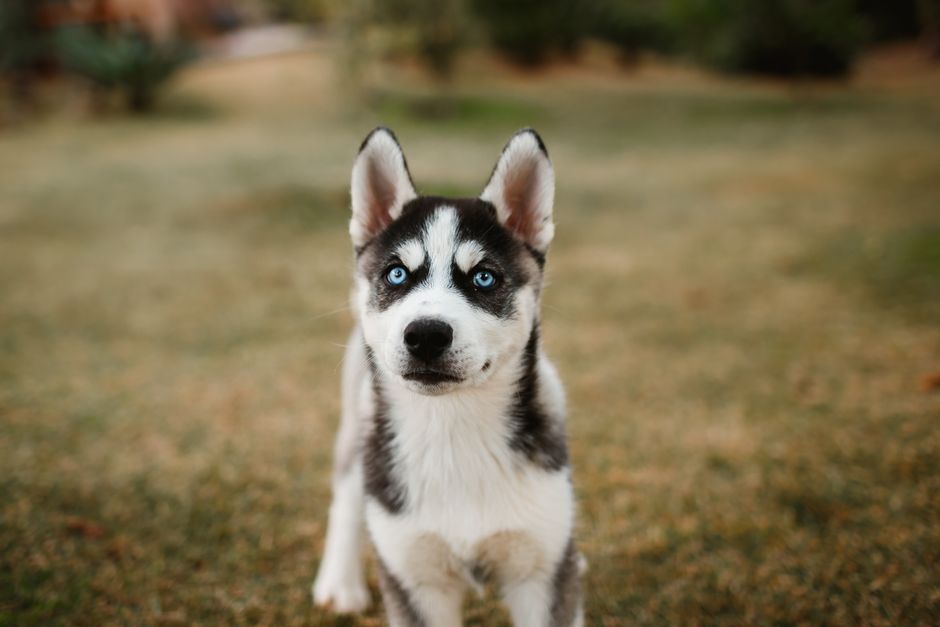
Common Reasons Why Huskies Cry
Separation Anxiety or Loneliness
Huskies are pack animals and thrive on companionship. When left alone for extended periods, they may cry out of distress. This crying is often accompanied by destructive behavior, pacing, or excessive whining. If your Husky cries only when you leave or before you return, separation anxiety is a likely culprit.
Attention Seeking
Huskies are intelligent and quickly learn that crying gets a reaction. If your dog cries and you respond by petting, talking, or giving treats, you may inadvertently reinforce the behavior. This type of crying is often short, repetitive, and directed at you.
Boredom or Lack of Exercise
Huskies are high-energy dogs that need daily physical and mental stimulation. A bored Husky will cry to release pent-up energy or to signal that it's time for a walk or play session. Without adequate exercise, crying can become a persistent problem.
Excitement or Anticipation
Your Husky may cry when excited—for example, when you pick up a leash, prepare food, or a visitor arrives. This crying is often high-pitched and accompanied by wagging tail, jumping, or spinning.
Stress or Fear
Loud noises (thunder, fireworks), unfamiliar environments, or changes in routine can trigger stress crying. This cry sounds more urgent and may be paired with trembling, hiding, or lip licking.
Pain or Discomfort
If your Husky cries unexpectedly, especially when touched or moving, it could indicate physical pain. Conditions like ear infections, dental problems, arthritis, or injury may cause sustained crying. Always rule out medical issues first.
Hunger or Thirst
Some Huskies cry near feeding time to remind you to fill their bowl. This cry is usually rhythmic and stops once the need is met.
Need to Go Outside
If your Husky is house-trained, crying at the door signals a bathroom break. This cry is often paired with pacing or scratching.
How to Tell the Difference Between Types of Crying
| Type of Cry | Sound Characteristics | Body Language | Likely Cause |
|---|---|---|---|
| Separation anxiety | Continuous, mournful howl or whine | Pacing, drooling, destruction | Loneliness, panic when left alone |
| Attention seeking | Short, repetitive whines or yelps | Eye contact, pawing, tail wag | Wants interaction or rewards |
| Boredom | Monotonous cry, often with pauses | Restless, lying down then getting up | Needs activity or play |
| Excitement | High-pitched, sharp whine | Jumping, spinning, ears forward | Anticipation of fun |
| Stress/Fear | Low, trembling whine | Tail tucked, ears back, panting | Loud noise, unfamiliar situation |
| Pain | Sudden yelp or persistent low moan | Limping, flinching, licking area | Injury or illness |
| Hunger/Thirst | Rhythmic, insistent cry | Staring at food bowl, licking lips | Empty bowl |
| Need to potty | Urgent whine near door | Pacing, circling, sniffing | Bathroom break |
Is Crying Normal for Huskies?
Yes, occasional crying is a normal part of Husky communication. However, excessive or sudden crying can indicate an underlying issue. It's important to observe the context and frequency. A Husky that cries for a few minutes before settling is usually fine, but constant crying throughout the day warrants investigation.
How to Reduce Unwanted Crying
Provide Adequate Exercise and Mental Stimulation
A tired Husky is a quiet Husky. Aim for at least 60–90 minutes of vigorous exercise daily—walks, runs, or dog sports. Mental stimulation: puzzle toys, training sessions, or scent work can tire their brain and reduce boredom crying.
Establish a Routine
Huskies thrive on predictability. Set consistent times for meals, walks, play, and rest. A routine reduces anxiety about what's next and minimizes crying due to uncertainty.
Don't Reinforce Crying with Attention
If your Husky cries for attention, wait for a moment of silence before giving any response. Reward calm behavior with praise or treats. Avoid eye contact or speaking during crying episodes.
Teach the 'Quiet' Command
Use positive reinforcement: when your Husky is quiet, say 'quiet' and treat. Gradually increase the duration of silence required. This gives you a tool to manage crying on cue.
Create a Comfortable Environment
Provide a cozy den-like space (crate or bed) with familiar toys and blankets. Background noise like a fan or calming music can mask triggering sounds and soothe your Husky.
Address Separation Anxiety
If your Husky cries when left alone, practice gradual desensitization. Start with short departures and increase time. Consider a dog walker or daycare. In severe cases, consult a veterinarian or behaviorist.
When to Worry: Signs of Distress or Health Problems
While most crying is behavioral, watch for red flags: sudden onset of crying, crying accompanied by lethargy, loss of appetite, vomiting, diarrhea, limping, or unusual aggression. If your Husky cries excessively at night or when resting, it could signal pain or illness. Always consult a veterinarian if you suspect a medical cause.
Conclusion: Embrace Your Husky's Voice
Huskies cry because they have something to say. As their owner, your job is to listen and interpret. By understanding the reasons behind the cries—from boredom to excitement to anxiety—you can respond appropriately and strengthen your bond. Remember, a well-exercised, mentally stimulated, and securely attached Husky will cry less but still express its unique personality. So next time your Husky lets out a dramatic wail, take a moment to assess: Is it a call for play, a plea for comfort, or simply a greeting? Embrace the chatter; it's one of the many joys of living with a Siberian Husky.