Huskies are famous for their vocalizations, and howling is one of their most iconic traits. Unlike barking, howling is a deep-rooted instinct tied to their wolf ancestry. Understanding why your Husky howls can help you address their needs, strengthen your bond, and prevent problematic behavior. In this article, we explore the seven most common reasons why huskies howl, from communication to separation anxiety, and offer practical tips for managing excessive howling.
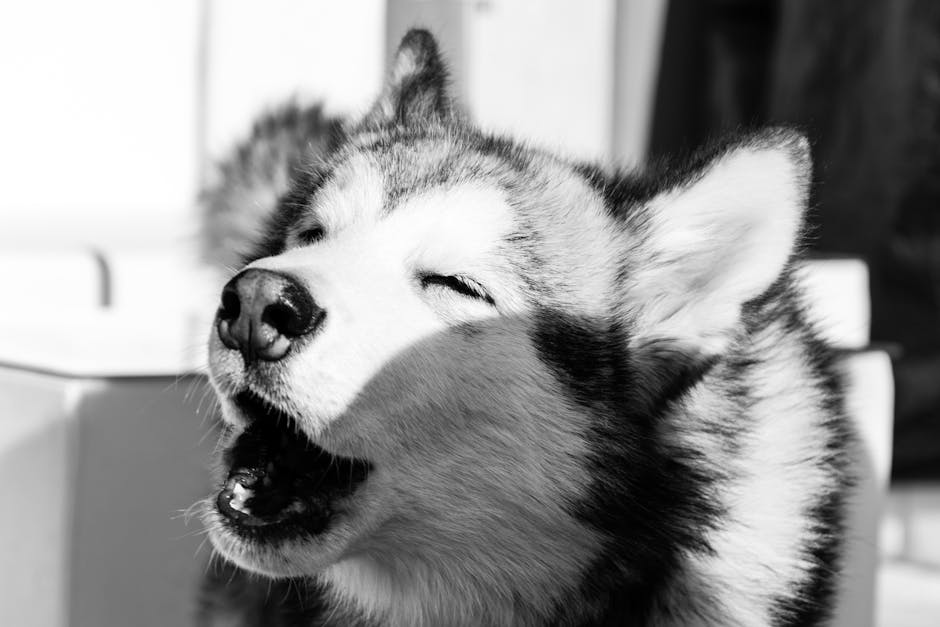
1. Communication and Social Bonding
Huskies are pack animals at heart. Howling serves as a long-distance communication tool, allowing them to connect with other dogs or their human family. When your Husky howls, they may be trying to say, “I’m here, where are you?” or “Join me!” This is especially common when you leave the house or when they hear another dog howling nearby.
In a multi-dog household, howling can reinforce social bonds. Dogs will often howl together in a chorus, strengthening their pack identity. Responding to your Husky’s howl with a calm, reassuring voice can acknowledge their attempt to communicate without encouraging excessive noise.
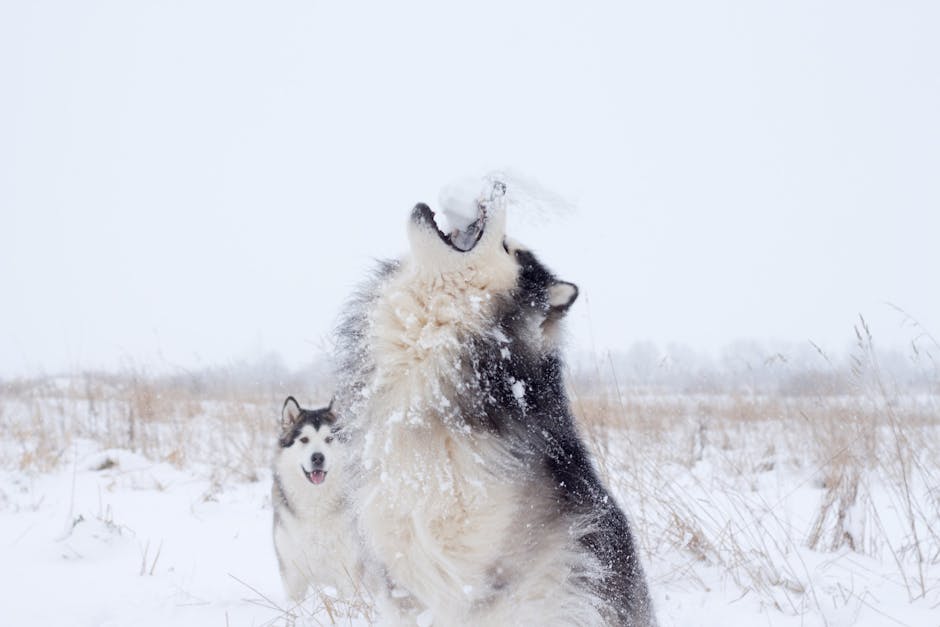
2. Separation Anxiety and Distress
One of the most frequent triggers for howling in huskies is separation anxiety. These dogs form strong attachments to their owners and can become stressed when left alone. Howling is a distress call—a desperate attempt to summon you back. Other signs may include pacing, destructive behavior, or house soiling.
To address separation anxiety, gradually desensitize your Husky to being alone. Start with short departures and increase duration slowly. Provide interactive toys, a comfortable den-like space, and consider using calming aids like pheromone diffusers. If howling persists, consult a professional trainer or behaviorist.
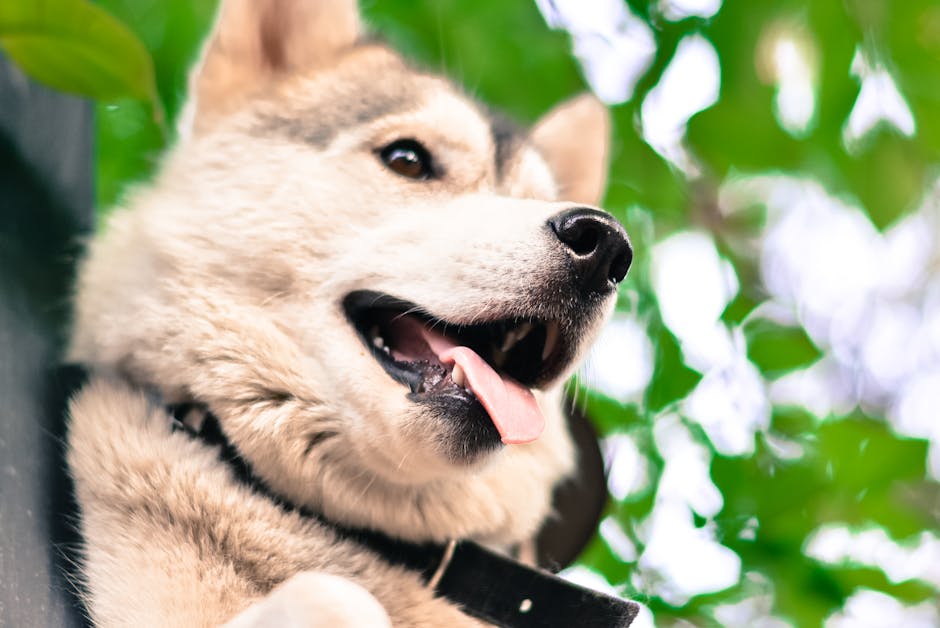
3. Excitement and Greeting
Not all howling is negative—some huskies howl out of pure joy. When you come home after work or when a favorite person arrives, your Husky might let out a happy howl as a greeting. This is their way of expressing excitement and welcoming you back into the pack.
Similarly, howling can occur during playtime, especially if the game involves tug-of-war or fetch. Celebrate positive greetings, but avoid reinforcing howling that becomes excessive. Redirect to a calm sit or offer a treat when they greet you quietly.
4. Response to High-Pitched Sounds
Huskies have sensitive ears and are particularly responsive to high-pitched noises. Sirens, musical instruments (like harmonicas), or even the sound of a crying baby can trigger a howling session. This is an instinctual reaction—they mistake the sound for another dog howling in the distance.
While it can be amusing, constant howling at sirens might become disruptive. Try to minimize exposure by closing windows or playing white noise. You can also teach a “quiet” command by rewarding moments of silence after the trigger starts.
5. Boredom and Lack of Stimulation
Huskies are intelligent working dogs with high energy levels. When they don’t get enough physical exercise or mental enrichment, they may resort to howling as a way to release pent-up energy or to get your attention. A bored Husky is often a vocal Husky.
The solution lies in a consistent routine of daily exercise (at least 60–90 minutes), puzzle toys, obedience training, and activities like nose work or agility. A tired Husky is less likely to howl out of boredom. Rotating toys regularly can also maintain their interest.
6. Attention-Seeking Behavior
If your Husky learns that howling gets your attention—whether positive (treats, petting) or negative (yelling, eye contact)—they will repeat it. Huskies are clever and quickly pick up on cause and effect. Even scolding can be seen as a form of reward because it’s attention.
The best approach is to ignore the howling completely. Turn away, leave the room, or avoid eye contact. Once your Husky is quiet, immediately reward them with praise or a small treat. Consistency is key; over time, they will learn that silence is more rewarding than noise.
7. Instinctual Pack Behavior and Ancestral Roots
Finally, howling is deeply embedded in a Husky’s DNA. Descended from wolves, huskies retain many primitive behaviors, including howling to locate pack members or signal territorial boundaries. This instinct may surface even in a domestic setting, for example when they sense a change in the environment or during full moon nights (though this is more folklore than science).
Understanding this ancestral drive helps you accept some degree of howling as normal. The goal isn’t to eliminate it completely, but to manage it so it doesn’t disrupt your household. Embrace your Husky’s unique voice while setting gentle boundaries through training and enrichment.
By recognizing the reason behind your Husky’s howls, you can address the root cause effectively. Whether it’s providing more exercise, reducing separation anxiety, or simply accepting this classic Husky trait, a well-informed owner can enjoy a harmonious relationship with their vocal companion.