
Understanding the Husky Vocal Nature
Huskies are known for their talkative and expressive nature. Unlike many dog breeds that bark primarily for alert or territorial reasons, Huskies use a wide range of vocalizations—barks, howls, whines, and even 'talking' sounds. This breed was developed in harsh Arctic environments where communication was key for survival and teamwork. Their barking is not just noise; it's a complex language.
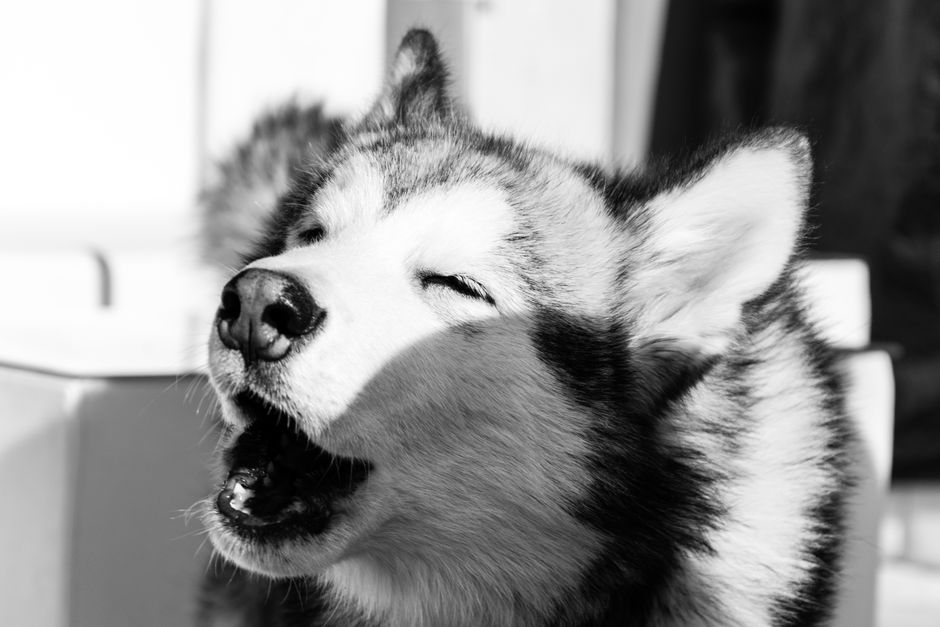
Top Reasons Why Huskies Bark So Much
1. Instinctive Communication
Huskies are pack animals. In the wild, they bark to coordinate hunting, warn of danger, or call to pack members. Domestic Huskies retain this instinct. They may bark to greet you, ask for food, or signal they want to go outside.
2. Attention-Seeking
Huskies are highly social and demand interaction. If they feel ignored, barking is an effective way to get your attention. They quickly learn that barking leads to eye contact, pets, or treats, reinforcing the behavior.
3. Boredom and Excess Energy
Huskies are working dogs with high energy levels. Without adequate physical and mental stimulation, they become bored and vocal. Barking can be a sign of frustration or a plea for exercise.
4. Separation Anxiety
Huskies form strong bonds with their owners. When left alone for long periods, they may bark excessively due to stress. This is often accompanied by destructive behavior.
5. Excitement and Playfulness
Many Huskies bark when excited—before a walk, during play, or when a favorite person arrives. This is usually accompanied by wagging tails and a play bow.
6. Alarm or Territorial Barking
While not as pronounced as in guard dogs, Huskies may bark at strangers, other animals, or unusual sounds. Their history as sled dogs made them alert to changes in the environment.
7. Learned Behavior
If a Husky receives attention or rewards when it barks, it learns that barking gets results. Inconsistent training can accidentally reinforce the habit.
8. Breed-Specific Vocal Nature
Some Huskies are simply more talkative than others due to genetics. The breed standard even notes their tendency to vocalize, including howling and 'talking back'.

Is Excessive Barking a Problem?
While some barking is normal, excessive barking can indicate underlying issues. Signs of problematic barking include: continuous barking for more than 30 minutes, barking at nothing, or causing stress to the household. It's important to assess the context and frequency.
How to Reduce Unwanted Barking in Huskies
Increase Exercise and Enrichment
A tired Husky barks less. Ensure at least 60–90 minutes of exercise daily, including walks, runs, or pulling games. Mental stimulation—like puzzle toys, obedience training, or nose work—prevents boredom-induced barking.
Manage Their Environment
If your Husky barks at passersby, block visual access with curtains or window film. Use white noise or calming music to mask triggering sounds. Create a safe, comfortable space like a crate with a blanket.
Teach the 'Quiet' Command
- Wait for your Husky to bark, then say 'Quiet' in a calm, firm voice.
- As soon as they stop (even for a second), reward with a treat and praise.
- Gradually increase the duration of silence before giving the treat.
- Practice in different settings and with distractions.
Use Positive Reinforcement for Alternative Behaviors
Train your Husky to 'Go to mat' or 'Sit' when they would normally bark. Reward calm behavior at the door or window. Ignore attention-seeking barking—only give attention when they are quiet.
Address Separation Anxiety
Gradually acclimate your Husky to alone time. Start with short departures and increase gradually. Provide interactive toys, leave an item with your scent, and consider a dog walker or daycare. For severe cases, consult a veterinarian or behaviorist.
Avoid Punishment
Yelling or punishing can increase anxiety or cause your Husky to become more stubborn. Positive methods are more effective and strengthen your bond.
When to Seek Professional Help
If your Husky's barking becomes disruptive despite consistent training, consult a certified dog trainer or veterinary behaviorist. They can identify underlying medical or behavioral issues, such as pain, obsessive-compulsive disorders, or high anxiety.
Understanding the Difference Between Barking and Howling
Huskies are also famous for howling, which is a distinct vocalization. Howling is often a response to high-pitched sounds (sirens, music) or a way to communicate over long distances. It is not excessive barking but part of their natural repertoire. Howling can be reduced through desensitization and giving an alternative cue like 'Speak' on command.
Conclusion
Huskies bark a lot because it's in their nature. By understanding the reasons—communication, boredom, attention, or anxiety—you can address the root cause. With proper exercise, training, and enrichment, you can manage excessive barking while appreciating your Husky's expressive personality. Remember, a talkative Husky is a happy Husky, but with boundaries, both you and your dog can enjoy peace and harmony.