If you own a Siberian Husky, you've likely come home to find a freshly dug crater in your yard. While frustrating, digging is a deeply ingrained instinct in this breed. Understanding why huskies dig holes is the first step to managing the behavior without harming your bond with your dog. In this comprehensive guide, we’ll explore the top reasons for digging, practical solutions, and training techniques that respect your husky’s natural drives.
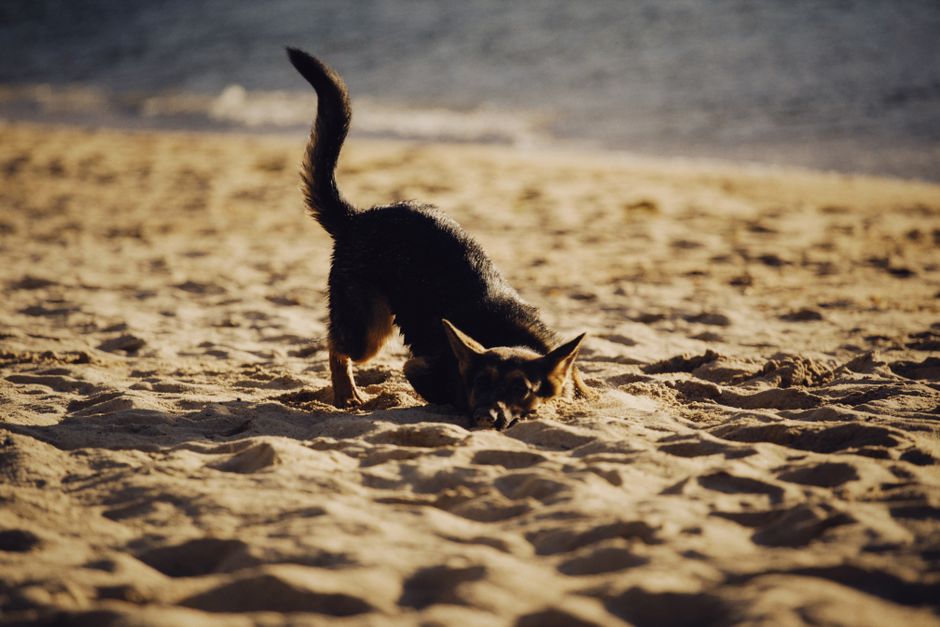
The Instinct to Dig: An Ancient Heritage
Siberian Huskies were bred by the Chukchi people of Siberia to pull sleds over vast frozen tundras. However, their ancestors also had to survive in harsh conditions. Digging served several survival purposes:
- Denning: Huskies would dig shallow dens to shelter from extreme cold or heat.
- Food storage: They instinctively hide surplus food to eat later.
- Prey pursuit: Small rodents and burrowing animals trigger a strong prey drive, leading to digging.
Even though modern huskies live in comfortable homes, these instincts remain. Your husky isn’t trying to ruin your garden—it’s following millions of years of evolution.
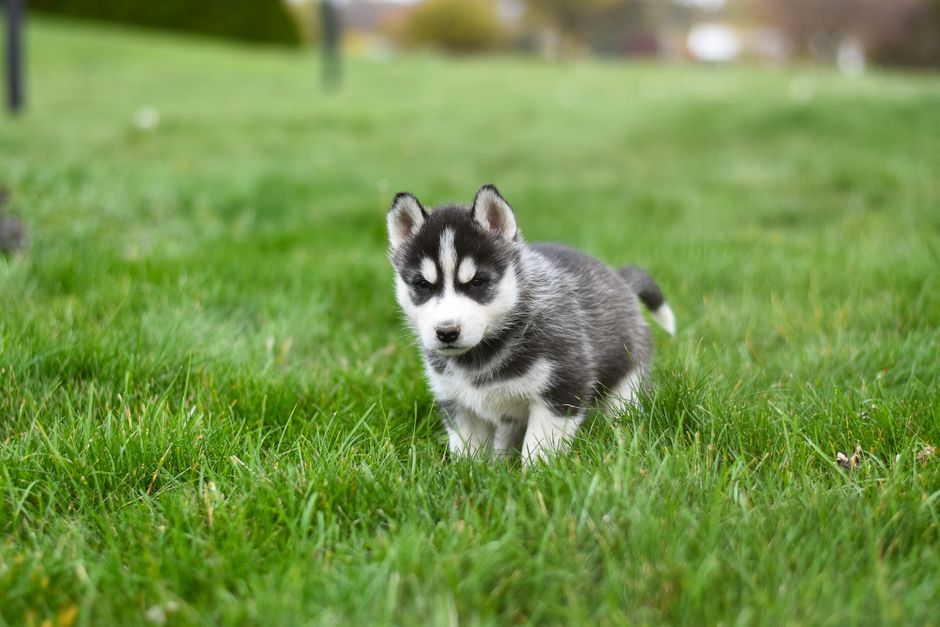
6 Common Reasons Why Huskies Dig Holes
Let’s break down the specific motivations behind this behavior and how to address each one.
1. Boredom and Excess Energy
Huskies are high-energy dogs bred for endurance. Without adequate physical and mental stimulation, they invent their own entertainment—and digging is a favorite. A bored husky may dig to release pent-up energy.
Solution: Increase daily exercise to at least 60–90 minutes of vigorous activity, including running, hiking, or pulling. Also provide interactive toys like puzzle feeders, snuffle mats, or hide-and-seek games.
2. Cooling Off in Hot Weather
Huskies have a double coat that insulates them against both cold and heat. In warm climates, they may dig holes to reach cooler soil layers and lie in them to regulate body temperature.
Solution: Provide alternative cooling options: a kiddie pool with water, shaded rest areas, cooling mats, or frozen treats. Ensure your husky always has access to fresh water and shade.
3. Escape Attempts
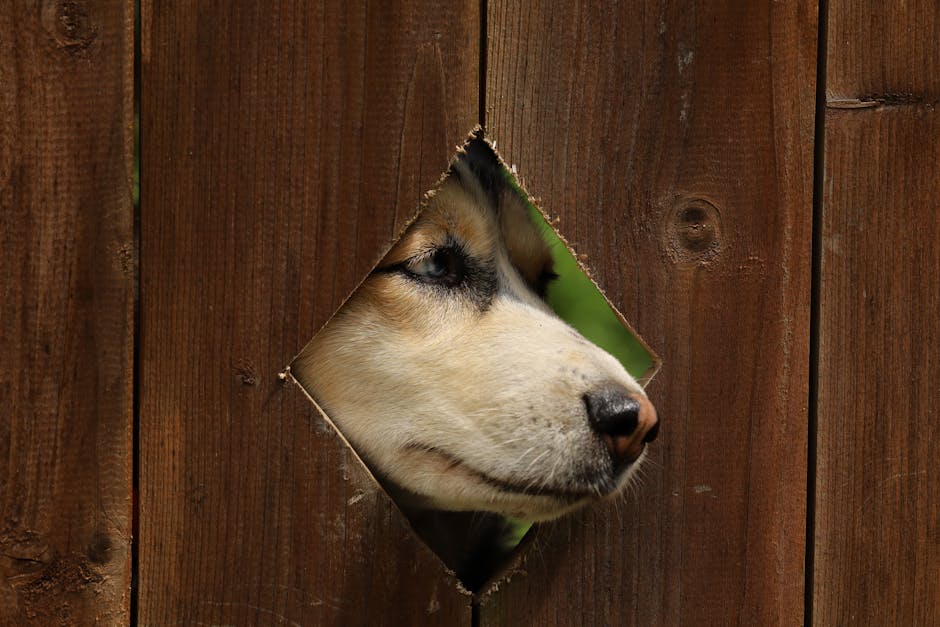
Huskies are notorious escape artists. If your fence has weak spots, your husky may dig under it to explore beyond the yard. This is especially common if they see other animals or hear exciting sounds.
Solution: Bury chicken wire or mesh fencing at the base of your fence, or pour concrete footings. Supervise outdoor time and reinforce boundary training. Consider a secure tie-out or run if necessary.
4. Hiding Treasures (Food or Toys)
Many huskies have a strong urge to cache their prized possessions—bones, treats, or toys. They dig a hole, bury the item, and cover it with their nose. This is a natural survival instinct.
Solution: Accept that this is normal, but redirect to a designated digging zone (see below). Avoid giving high-value bones in areas where digging is not allowed.
5. Anxiety and Stress
Separation anxiety, loud noises (thunder, fireworks), or household changes can cause a husky to dig as a self-soothing mechanism. The repetitive motion can be calming.
Solution: Address the root cause of anxiety with behavior modification, desensitization, or calming aids (e.g., ThunderShirt, pheromone diffusers). Consult a professional trainer or behaviorist if needed.
6. Prey Drive
Huskies have a high prey drive. If they sense a mole, vole, or other burrowing animal in your yard, they will dig relentlessly to catch it.
Solution: Use humane pest control to remove rodents. You can also encourage your husky to “hunt” in a controlled way with flirt poles or tug toys during play.
How to Stop Your Husky from Digging: Practical Tips
Eliminating digging entirely is unrealistic, but you can greatly reduce it with these strategies.
Create a Designated Digging Zone
Designate a specific area in your yard where digging is allowed. Train your husky to dig there by:
- Loosening the soil or filling the zone with sand.
- Burying toys or treats for them to find.
- Praising and rewarding when they dig in that spot.
Increase Mental Stimulation
A tired husky is less likely to dig. Rotate toys, teach new tricks, play nose work games, or enroll in agility classes. Mental exercise is as important as physical.
Use Deterrents
For areas you want to protect, use:
- Physical barriers: Rocks, mesh, or buried fencing.
- Scents: Citrus peels, vinegar, or commercial repellents (test first as some huskies may ignore them).
- Motion-activated sprinklers to startle them away.
Supervise and Redirect
When you’re outside with your husky, watch for signs of imminent digging (sniffing, pawing). Immediately redirect to a toy or a different activity. Consistent redirection teaches them what is acceptable.
Never Punish After the Fact
Punishing a husky for a hole they dug hours ago is ineffective and can cause fear or anxiety. Instead, address the underlying need.
Training Exercises to Curb Digging
Combine these drills with management techniques for best results.
| Exercise | Description | Benefit |
|---|---|---|
| “Leave It” Command | Teach your husky to ignore the ground or an object on cue. | Prevents digging before it starts. |
| Recall Training | Practice coming when called, even during distraction. | Allows you to call them away from a digging spot. |
| Mat Training | Train your husky to settle on a mat or bed while you work in the yard. | Teaches calm behavior outdoors. |
| Go Find It | Hide treats in a designated digging area or inside the house. | Redirects natural foraging instincts. |
When Digging Becomes a Problem
While digging is normal, it crosses the line when it becomes compulsive or dangerous. Seek professional help if:
- Your husky digs obsessively despite ample exercise and enrichment.
- Digging leads to self-injury (e.g., broken nails, raw paws).
- Your dog digs at doors, windows, or tries to escape repeatedly.
Also ensure your yard is safe: remove sharp objects, fill holes promptly to prevent injuries, and check for toxic plants or chemicals in the soil.
Conclusion: Embrace the Husky Within
Digging is part of what makes a husky a husky. With understanding, patience, and proactive management, you can channel this instinct into acceptable outlets. Remember, a well-exercised and mentally stimulated husky is far less likely to turn your garden into a moonscape. Accept the occasional hole, provide alternatives, and enjoy your beautiful, intelligent companion.