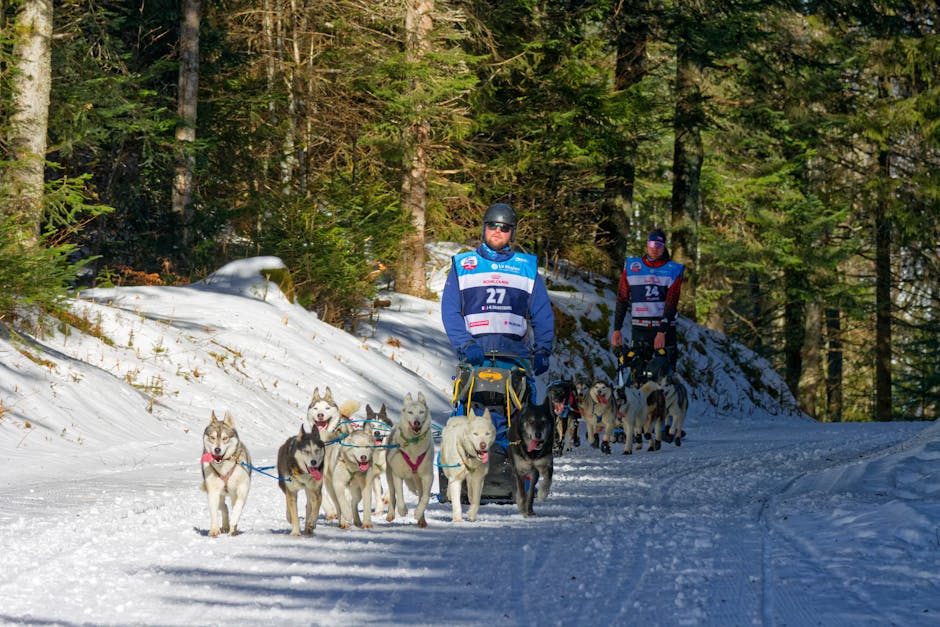
Training a Siberian Husky for sledding is a rewarding journey that taps into their ancient instincts. Huskies were bred to pull sleds across frozen tundras, so they possess the drive, endurance, and teamwork required for the sport. However, transforming that natural inclination into a disciplined, safe, and enjoyable experience requires systematic training. This guide covers everything from foundational commands to advanced harness techniques, ensuring you and your Husky are ready for the trails.
Understanding Your Husky’s Sledding Instincts
Before you attach a sled, understand that sledding is more than just running; it’s a coordinated effort between musher and dog. Huskies have a strong pack mentality and a natural desire to pull. They communicate through body language and vocalizations. Recognizing when your dog is excited, anxious, or tired will help you adjust training. Start with a healthy, well-socialized dog that is at least 18 months old to avoid joint stress.
Key Traits to Leverage
- Endurance: Huskies can run for hours, but build up slowly to prevent injury.
- Responsiveness: They are intelligent but stubborn; use positive reinforcement.
- Pack drive: They thrive in teams; introduce one dog at a time if you have multiple.
Essential Equipment for Sledding Training
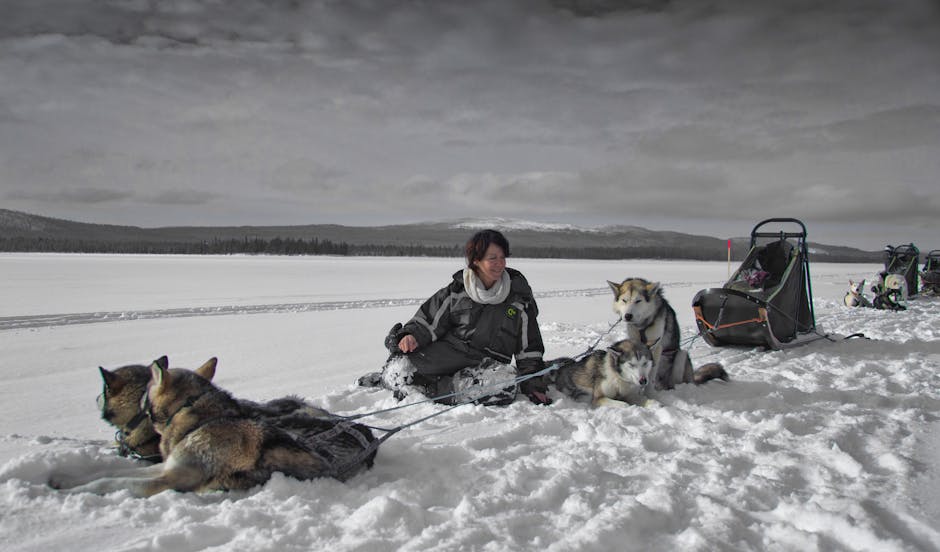
Invest in proper gear to ensure safety and comfort. Never use a regular walking collar for pulling; it can damage the trachea.
| Equipment | Purpose | Important Notes |
|---|---|---|
| Pulling harness (e.g., X-back or H-back) | Distributes weight across chest and shoulders | Must fit snugly, no chafing |
| Neckline and towline | Connect dog to sled or weight | Use bungee line to absorb shock |
| Booties | Protect paw pads from ice and abrasion | Get size-specific; carry spares |
| Dog sled (or wheeled rig for off-season) | Vehicle for pulling | Start with a lightweight cart or sled |
| First aid kit and water | Safety and hydration | Always carry during training |
Step 1: Basic Obedience and Commands
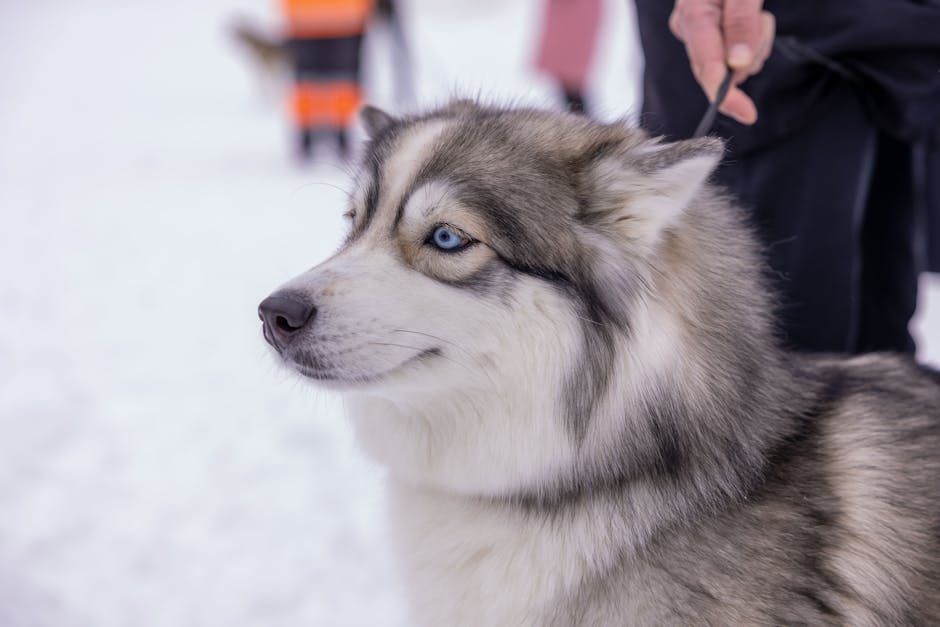
Before any pulling work, your Husky must reliably respond to core commands. Sledding uses specific voice commands that differ from everyday cues. Teach these in a distraction-free environment.
- “Hike!” or “Go!” – Command to start pulling.
- “Whoa!” – Immediate stop.
- “Gee!” – Turn right.
- “Haw!” – Turn left.
- “Line out!” – To straighten the towline before starting.
- “Leave it!” – To ignore distractions.
Practice each command using treats and praise. Once your dog knows them by voice, add hand signals. Consistency is key – use the same tone and word for each command.
Step 2: Introducing the Harness and Weight
Let your Husky become comfortable with the harness. Start by letting them sniff it, then put it on for short periods while giving treats. Once they associate the harness with positive experiences, attach a lightweight object like a small tire or plastic sled (on grass or dirt) and let them drag it while you walk beside them.
Progressive Weight Pulling
- Week 1-2: Drag 5-10 lbs for 10 minutes.
- Week 3-4: Increase to 15-20 lbs for 15-20 minutes.
- Week 5-6: Use a weighted sled or cart with you standing on it for short bursts.
Always monitor for signs of stress or fatigue, such as heavy panting, lagging, or refusal to pull.
Step 3: Verbal Commands in Motion
Once your dog is comfortable pulling weight, start incorporating voice commands while they are moving. Have a helper stand ahead with a treat when you say “Hike!” so the dog associates the command with forward movement. Practice “Whoa!” by stopping and giving a reward. Gradually increase distance and complexity.
Use a long line (20-30 feet) initially so you can correct without pressure. Introduce turns by luring with treats: say “Gee!” and turn right, rewarding at the end of the turn. Repeat for “Haw!”
Step 4: Sled or Cart Training
When your dog reliably responds to commands while pulling a weight, move to the actual sled or cart. For snow training, use a lightweight sled on packed snow. For dry land, a three-wheeled scooter or cart works well. Start with the vehicle stationary, then have the dog walk beside it while you hold it. Gradually let the dog pull with you standing behind. Use the “line out” command before each start.
Safety Tips for First Sled Rides
- Choose a flat, open area with no obstacles.
- Keep initial runs under 200 meters.
- Have an assistant to release the dog if needed.
- Always wear a helmet and protective gear.
- Practice emergency stops: dig the sled’s brake or drag your foot.
Step 5: Building Endurance and Distance
Gradually increase distance by 10% per week. Track your dog’s recovery: they should be eager to run again within 24 hours. Provide ample water every 15-20 minutes during runs. In cold weather, offer warm water mixed with broth. Monitor paw pads daily for cracks or cuts.
Incorporate interval training: 5 minutes of pulling, 2 minutes of rest. Over time, extend the pulling intervals. Aim for 30-60 minute runs after two months of training. Maximum distance for a well-conditioned adult Husky can be 10-20 miles per day, but only after months of conditioning.
Common Training Challenges and Solutions
| Challenge | Solution |
|---|---|
| Dog refuses to pull | Check for pain or fatigue; reduce weight; use high-value treats; ensure harness fits |
| Dog pulls too hard or runs away | Teach “easy” command; use a line with bungee; practice with a helper to slow down |
| Distraction by wildlife or other dogs | Desensitize with controlled exposure; “leave it” command; train in remote areas first |
| Poor response to turns | Practice turns at low speed; use wide arcs; reward for correct directional change |
| Overheating in cold weather | Train during coolest parts of day; offer snow or water; avoid heavy coats |
Nutrition and Health Considerations
Working sled dogs burn up to 10,000 calories per day in extreme conditions. For recreational training, increase your Husky’s food by 25-50% on training days. Feed a high-quality, high-protein diet with added fats (fish oil, chicken fat). Provide joint supplements like glucosamine and chondroitin. Always consult your vet before starting a rigorous sledding regimen.
Key Health Checks
- Regular paw inspections (cut nails, check between toes).
- Monitor for skin irritation from harness.
- Stay current on vaccinations – trails may have wildlife.
- Hydration: carry water and take breaks every 15 minutes.
Conclusion: Enjoy the Journey
Training your Husky for sledding strengthens your bond and provides exceptional physical and mental stimulation for your dog. Be patient, consistent, and always prioritize safety. Whether you aim to compete in sprint races or simply enjoy winter trails, the process is as rewarding as the destination. Start slow, listen to your dog, and celebrate small victories along the way.
Now that you have the blueprint, it’s time to harness that Husky spirit and hit the snow!