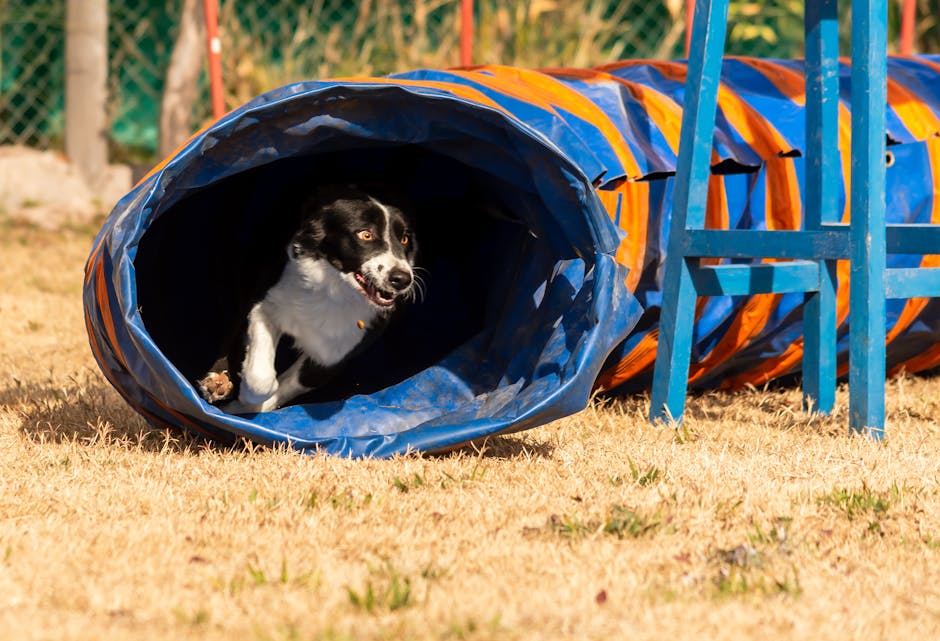
Why Agility Training is Perfect for Your Siberian Husky
Agility training is one of the most rewarding activities you can do with your Siberian Husky. These intelligent, energetic dogs were bred for endurance and problem-solving, making them natural athletes on the agility course. Not only does it provide physical exercise, but it also stimulates their sharp minds and strengthens the bond between you and your pup. In this comprehensive guide, we’ll cover everything you need to know to get started with agility training for your husky, from essential equipment to step-by-step obstacle training.
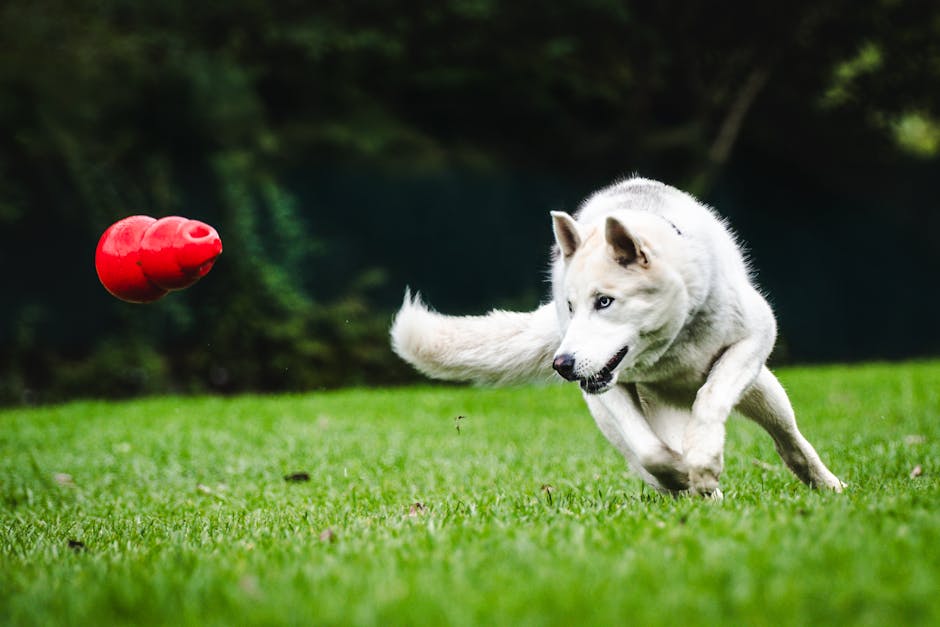
Benefits of Agility for Huskies
Siberian Huskies are high-energy dogs that require both physical and mental stimulation. Agility training offers a structured way to channel that energy positively. Here are the key benefits:
- Physical Fitness: Running, jumping, and weaving build muscle, improve coordination, and enhance cardiovascular health.
- Mental Stimulation: Learning complex sequences of obstacles keeps their clever minds engaged and prevents boredom.
- Bonding: Working together as a team deepens trust and communication with your husky.
- Confidence: Overcoming new challenges builds your dog’s self-esteem, which is especially helpful for shy or anxious huskies.
- Behavioral Outlet: A tired husky is a well-behaved husky—agility can reduce destructive behaviors like digging or chewing.
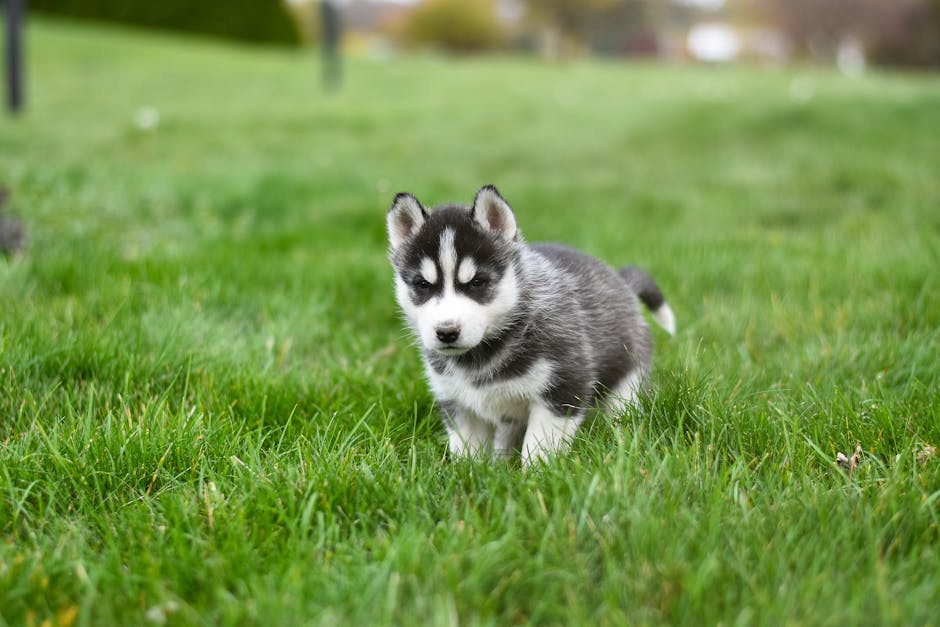
Prerequisites: Is Your Husky Ready?
Before diving into agility, ensure your husky meets these basic criteria:
- Age: Wait until your puppy is at least 12–18 months old to avoid stressing growing bones and joints. Adult dogs can start anytime after a vet check.
- Health: A thorough veterinary exam is essential. Huskies are prone to hip dysplasia and eye issues, so confirm your dog is fit for strenuous activity.
- Basic Obedience: Your husky should reliably respond to cues like sit, stay, come, and leave it. Agility requires focus and control.
- Physical Readiness: Your dog should be comfortable with walks, runs, and basic play. Start with conditioning exercises like hiking or swimming.
Essential Equipment to Get Started
You don’t need a full competition course at home—start simple. Here are the basic pieces of equipment for beginners:
| Equipment | Purpose | Beginner Tip |
|---|---|---|
| Hurdles (jumps) | Teaches jumping over bars at different heights | Start with the bar on the ground, then raise slowly |
| Tunnel | Builds confidence going through enclosed spaces | Use a short, straight tunnel first; later add curves |
| Weave Poles | Develops agility and lateral movement | Start with only 2–3 poles spaced widely |
| Pause Table | Teaches a controlled stop or down position | Use a low platform and reward calm behavior |
| Dog Walk (plank) | Improves balance and confidence on narrow surfaces | Keep the plank low (6–12 inches high) |
You can purchase starter agility kits online or build DIY versions using PVC pipes and plywood. Safety first: ensure all equipment is stable and non-slip.
Step-by-Step Training: Getting Started
Step 1: Build a Strong Foundation with Positive Reinforcement
Use high-value treats (freeze-dried liver, cheese) and a clicker if you have one. Train in a distraction-free area. Each session should be short (5–10 minutes) to keep your husky engaged. Always end on a positive note.
Step 2: Introduce the First Obstacle – The Jump
Start with the jump bar on the ground. Lure your husky over it using a treat, then click and reward. Once they happily walk over it, raise the bar a few inches. Never force the dog; let them discover the joy of jumping. Practice until they approach the jump confidently without luring.
Step 3: Add the Tunnel
Huskies can be wary of dark, enclosed spaces. Begin with a very short tunnel (3–4 feet) and hold it open so your dog can see the other end. Toss a treat through, or have a helper call from the exit. Gradually longer the tunnel as they gain confidence. Never push your dog inside.
Step 4: Weave Poles – The Most Challenging
Set up only 2–3 poles, spaced about 2 feet apart. Guide your husky through in a zigzag pattern using a treat at your hand. Reward for each correct entry. As they improve, add more poles and reduce spacing to regulation 24 inches. Patience is key—this can take weeks or months.
Step 5: Combine Obstacles in a Simple Sequence
Once each obstacle is mastered, chain two together, e.g., jump then tunnel. Use a release word like “Go!” and gradually increase the number of obstacles. Always reinforce with praise at the end.
Safety Tips for Husky Agility Training
Huskies are born sprinters, but their athleticism requires caution to prevent injury:
- Warm-up & Cool-down: Always spend 5–10 minutes doing light jogging, stretching (e.g., “sit” to “down” transitions), and gentle massage before and after training.
- Surface Matters: Train on grass, rubber matting, or dirt—avoid concrete or asphalt to protect joints.
- Hydration: Huskies can overheat quickly despite their cold-weather origins. Offer water after every few repetitions and train during cooler parts of the day.
- Watch for Signs of Stress: If your husky refuses an obstacle, pants excessively, or shows avoidance—stop and reassess. Pushing can lead to fear or injury.
- No Jumping Too High: For a typical husky (20–24 inches at the shoulder), start jumps at 8–10 inches and never exceed 16–20 inches until fully mature and conditioned.
Motivating Your Husky – The Energetic but Stubborn Athlete
Siberian Huskies are known for their independence and occasional stubbornness. To keep them engaged:
- Use Toys as Rewards: Many huskies are more toy-motivated than food-motivated. A favorite tug toy or ball can be a powerful incentive.
- Keep Sessions Fun and Variable: Rotate obstacles, change the order, and incorporate games like “follow me” to prevent boredom.
- Be Patient with Distractions: Huskies have a high prey drive. If they fixate on a squirrel, call them away and reset the focus with a treat. Never yell—use a cheerful tone to redirect.
- Celebrate Small Wins: Some huskies may take longer to master weave poles. Reward each attempt and progress gradually.
Taking It to the Next Level: Joining a Class or Club
Once you and your husky have basic skills, consider joining an agility class or club. Benefits include: access to full regulation equipment, experienced instructors, and a supportive community. Many clubs offer “fun runs” or beginner trials. The American Kennel Club (AKC) and United States Dog Agility Association (USDAA) offer titling programs that are open to mixed breeds too. Even if you never compete, the structured environment helps sharpen your teamwork.
Common Mistakes to Avoid
- Skipping Foundation Obedience: A husky that won’t come when called is a safety hazard on the course.
- Raising Jump Heights Too Quickly: Gradual progression prevents joint damage and builds muscle.
- Overtraining: Agility is intense; limit sessions to 10–15 minutes for beginners and rest days are essential.
- Ignoring Your Husky’s Mood: If they seem tired or uninterested, take a break or end the session. Negativity will create a bad association.
- Using Harsh Corrections: Positive reinforcement works far better for this sensitive breed. Force-free methods produce willing, enthusiastic partners.
Conclusion
Agility training for your Siberian Husky is a fantastic journey that enhances your dog’s physical health, mental sharpness, and your relationship. By starting with solid preparation, introducing obstacles step by step, and prioritizing safety and fun, you and your husky can enjoy this exciting sport together. Remember, every dog learns at their own pace—celebrate the process and enjoy the bond you build along the way. Ready to start? Grab some treats, set up a jump, and watch your husky’s natural agility shine!