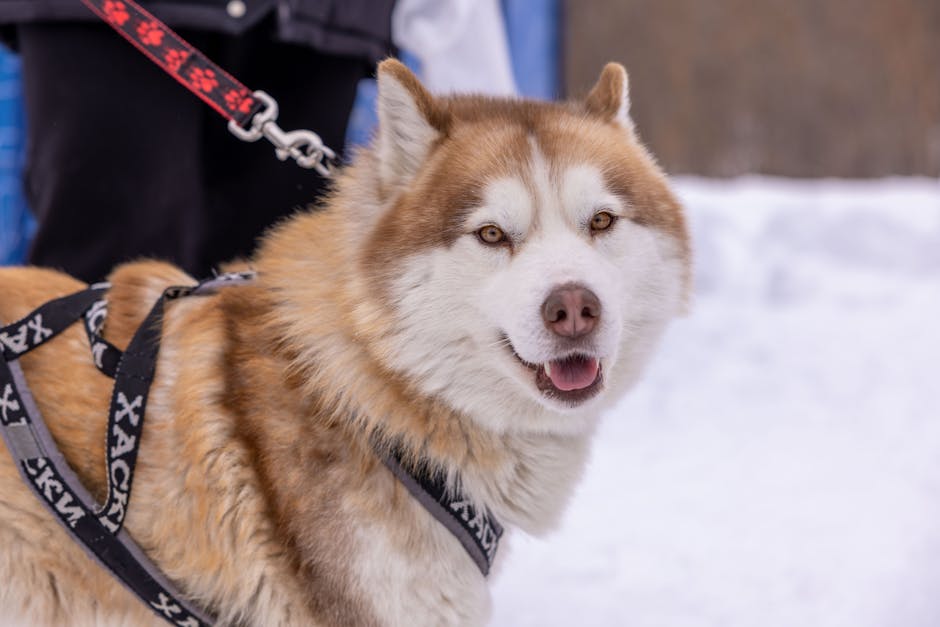
Why Sledding Training is a Natural Fit for Siberian Huskies
Siberian Huskies were bred for endurance and pulling sleds across frozen tundras. Tapping into this instinct is not only rewarding but also provides excellent physical and mental stimulation. This guide covers everything from puppy foundations to advanced mushing techniques.
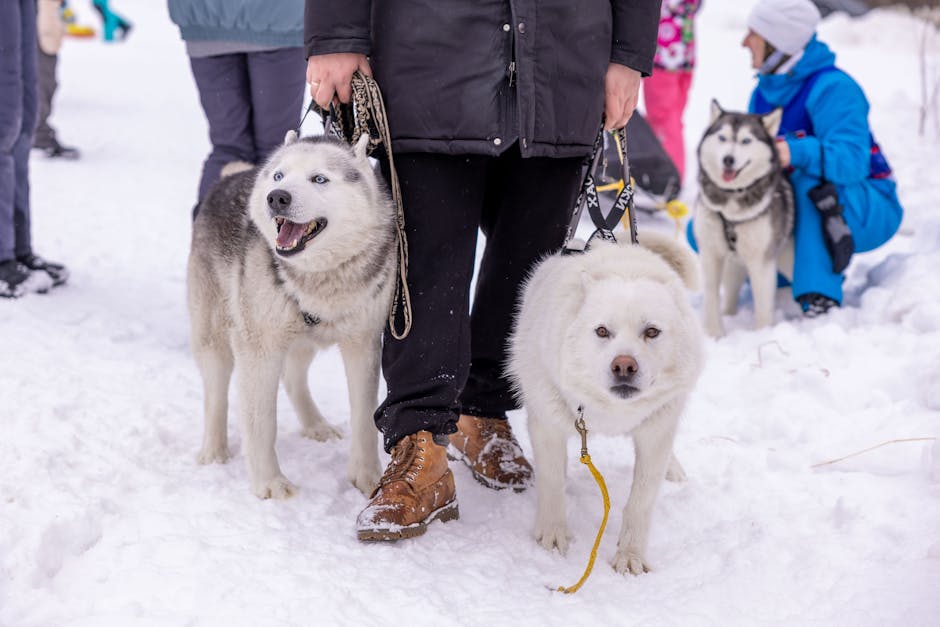
Before You Begin: Assessing Your Husky's Readiness
Age and Physical Maturity
Wait until your Husky is at least 12–18 months old before introducing significant pulling. Puppies' bones and joints are still developing; heavy pulling can cause long-term damage. Start with short, light pulls once the growth plates have closed (consult your vet).
Health Check
Schedule a veterinary exam to ensure your Husky has no hip dysplasia, heart conditions, or other issues that could be aggravated by strenuous exercise. Recommended screenings include OFA (Orthopedic Foundation for Animals) for hips and elbows, and a cardiac evaluation.
Basic Obedience Foundation
Your Husky must reliably respond to sit, stay, come, leave it, and settle before sledding training. A loose leash walking skill is also crucial. Spend at least a month reinforcing these commands in distracting environments.
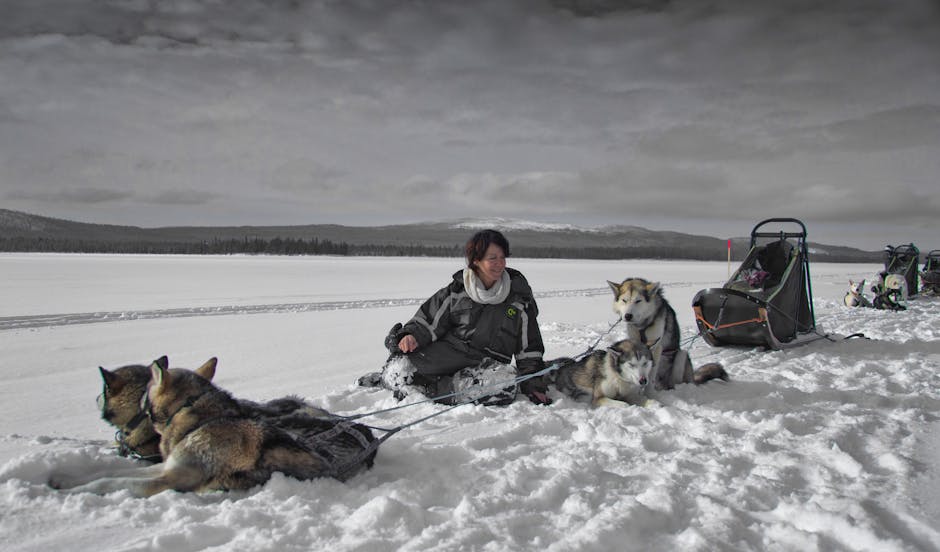
Essential Equipment for Sled Training
| Item | Purpose | Sizing Tips |
|---|---|---|
| Pulling harness (X-back or scooter harness) | Distributes weight across chest and shoulders; never use a standard walking harness for pulling. | Measure around the widest part of the chest and behind elbows. Should be snug but allow full arm movement. |
| Tow line (gangline for multiple dogs) | Connects dog(s) to the sled or weight. | Use a shock-absorbing line (bungee section) to reduce jolts. |
| Sled or wheeled rig (cart, scooter, or mountain board) | Provides the pulling resistance. | Start with a lightweight plastic sled on snow, or a training cart with brakes for dry land. |
| Booties (for snow/ice) | Protect paw pads from ice balls, salt, and cuts. | Measure length and width of paw; use fleece-lined for warmth. |
| Safety flag/light (low light conditions) | Visibility. | Attach to harness or sled. |
Step-by-Step Sledding Training Progression
Phase 1: Harness Introduction and Positive Association (Weeks 1-2)
Let your Husky sniff the new harness. Place it on for a few seconds without clipping anything, then reward with high-value treats. Gradually increase wearing time. Pair the harness with fun activities (short walks, play) so it becomes a cue for excitement.
Phase 2: Dragging a Light Object (Weeks 3-4)
Attach a lightweight, safe object (e.g., an empty plastic sled or a small tire) to the tow line. Walk behind your Husky in a quiet area. Use a command like “Hike!” (go forward) and “Whoa!” (stop). Reward any forward movement. Keep sessions under 10 minutes.
Phase 3: Introducing Voice Commands and Directional Cues
Teach these essential sledding commands before adding more weight:
- Hike / Let’s go – start moving forward.
- Whoa – stop immediately.
- Gee – turn right.
- Haw – turn left.
- Easy – slow down.
- Line out – keep the line taut and wait.
Practice each command separately with verbal praise and treats. Use hand signals for clarity (e.g., point right for “Gee”).
Phase 4: Adding Weight Gradually (Weeks 5-8)
Once your Husky eagerly moves a light drag, start attaching a small weight (e.g., a bag of sand or a weighted tire). Increase weight slowly—no more than 10-15% of your dog's body weight per week. Monitor body condition: your Husky should pull comfortably without excessive panting or straining.
Phase 5: Team Work – Adding a Second Dog (Optional)
If you plan to run a team, introduce a second, experienced dog first. They will model proper behavior. Use a gangline to connect both dogs. Ensure each dog knows commands independently before pairing. The lead dog sets the pace; the wheel dog near the sled provides power.
Training Sessions: Structure and Safety
Session Duration
| Week | Session Length | Frequency |
|---|---|---|
| 1-2 | 5-10 min | 3-4x/week |
| 3-4 | 10-15 min | 4x/week |
| 5-8 | 15-25 min | 4-5x/week |
| Advanced | Up to 60 min (with breaks) | 3-4x/week |
Warm-Up and Cool-Down
Always let your Husky walk freely on a loose leash for 5 minutes before pulling. After the run, remove the harness, offer water, and allow a gentle walk. Check paws for injuries.
Environmental Considerations
- Temperature: Huskies overheat easily. Avoid sledding above 40°F (4°C). Provide ice water breaks every 20 minutes.
- Terrain: Start on flat, soft surfaces (snow, dirt). Avoid concrete – it can damage paws and joints.
- Hydration: Carry a collapsible bowl and offer water every 15-20 minutes during longer runs.
Troubleshooting Common Behavior Issues
Pulling Too Hard or Not at All
If your Husky pulls excessively, slow down with an “Easy” command and wait until the line slackens. Reward a steady, consistent pace. If your dog refuses to pull, check for pain, fatigue, or heat stress. Sometimes boredom arises from too many repetitions – vary the route.
Distractions (other dogs, squirrels)
Start in a low-distraction environment. Use a solid “Leave it” command. If your Husky bolts, give a firm “Whoa” and wait. Desensitize by gradually introducing distractions at a distance.
Refusing to Follow Directional Commands
Practice Gee/Haw in a large fenced area with cones or flags. Walk your Husky on a flat leash while you guide the turn. Reward correct turns with enthusiasm. Be consistent with the same cues every time.
Nutrition and Recovery for Working Huskies
Sledding is a high-energy activity. Increase daily caloric intake by 30-50% during training season. Choose a high-protein (25-30%), high-fat (15-20%) diet. Supplement with fish oil for joint health and omega-3s. Provide constant access to fresh water. After a run, feed the main meal within 2 hours to replenish glycogen stores.
Advanced Training: From Recreational to Racing
Once your Husky can confidently pull a loaded sled over several miles, you can explore mushing clubs or dryland racing (canicross, bikejoring). Competitive training requires interval work (short bursts of speed), hill repeats, and long slow distance to build endurance. Always honor your dog's limits – cross-train with swimming or hiking to reduce repetitive stress.
Conclusion
Training your Siberian Husky for sledding is a journey that deepens your bond and honors their heritage. Start slowly, use positive reinforcement, and invest in proper equipment. Whether you mush for recreation or competition, the joy of seeing your Husky pull with unrestrained enthusiasm is unmatched. Stay patient, stay safe, and enjoy the trail.